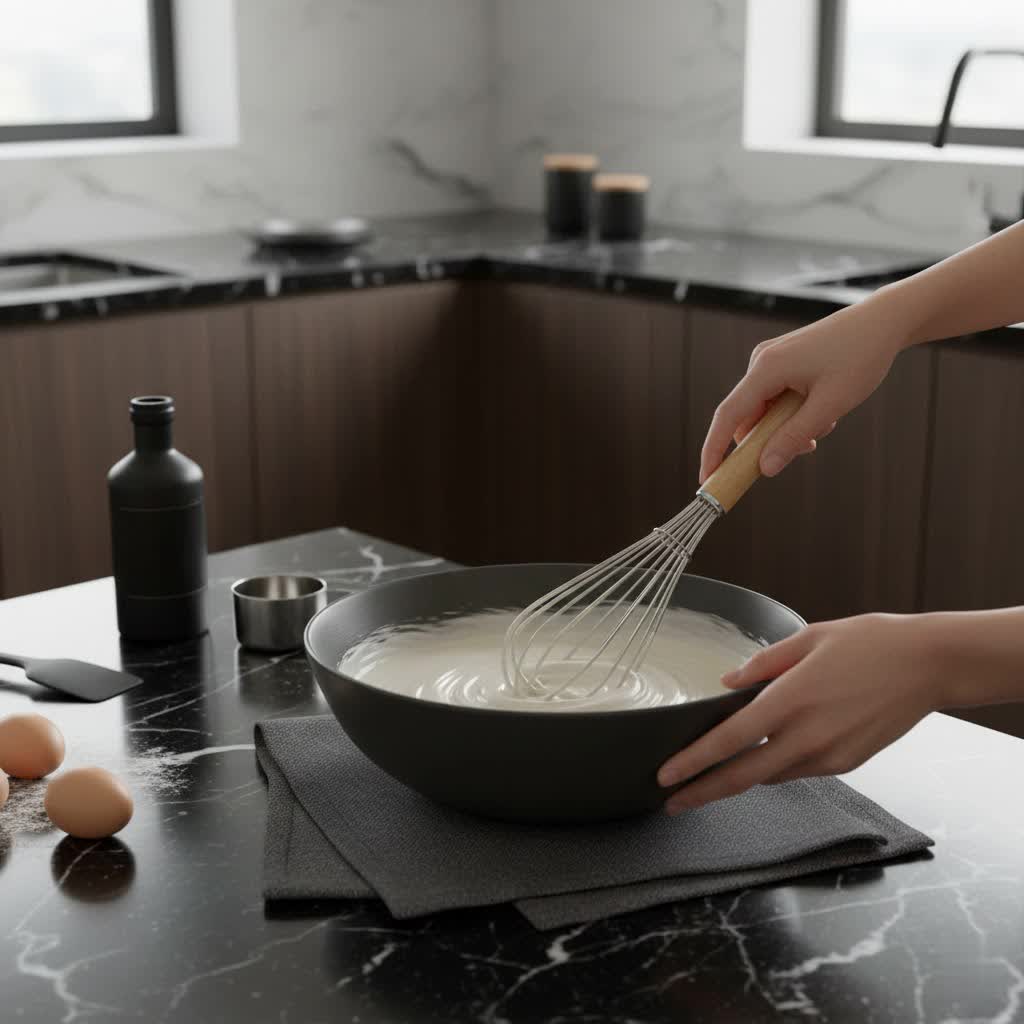
Choosing the right whisk can profoundly impact your culinary results, transforming a simple stirring task into an efficient art. Yet, with a myriad of options flooding the market, many home cooks and professional chefs alike find themselves at a crossroads: should they opt for the classic resilience of stainless steel or the modern versatility of silicone? This choice isn’t merely about aesthetics; it’s a battle of durability, performance, and suitability for various kitchen scenarios. Join us as we delve into a comprehensive durability test, breaking down the strengths and weaknesses of silicone and stainless steel whisks to help you find your perfect kitchen companion.
What is a Whisk and Why Do You Need One?
A whisk is an indispensable kitchen utensil, traditionally composed of a series of wire loops joined at a handle, designed for blending ingredients smoothly and incorporating air into mixtures. Its primary purpose is to aerate, emulsify, and combine, preventing lumps and achieving desired textures in everything from fluffy meringues to velvety sauces. From its humble beginnings as a bundle of twigs, the whisk has evolved significantly, becoming a staple in kitchens worldwide due to its unmatched ability to create culinary magic.
The core function of any whisk is to introduce air or combine ingredients evenly. Whether you’re whipping egg whites to stiff peaks, emulsifying a vinaigrette, or blending dry ingredients for a cake, the unique wire structure of a whisk provides maximum contact with the mixture, ensuring consistent results that a spoon or fork simply cannot achieve.
Classifying Whisks by Purpose
Whisks come in various forms, each suited for specific culinary tasks, though the fundamental comparison of silicone versus stainless steel remains central to their application.
Whisks for Whipping Eggs and Cream
|
Our Picks for the Best Whisk in 2026
As an Amazon Associate I earn from qualifying purchases.
|
||
| Num | Product | Action |
|---|---|---|
| 1 | OXO Good Grips 11-Inch Balloon Whisk |

|
| 2 | NileHome Silicone Whisk Set 8" 10" Kitchen Whisk Kitchen Wisk Wire Whisks for Cooking, Whisking, Blending, Beating, Stirring-Black |
|
| 3 | Walfos Silicone Whisk,Stainless Steel Wire Whisk Set of 3 -Heat Resistant 480°F Kitchen Whisks for Non-stick Cookware,Balloon Egg Beater Perfect for Blending,Whisking,Beating,Frothing & Stirring,Black |
|
| 4 | NileHome Stainless Steel Whisk Set 8" 10" 12" Kitchen Whisk Balloon Whisk Kitchen Wisk Wire Whisks for Cooking, Whisking, Blending, Beating, Stirring-3 Pack… |
|
| 5 | Whisks for Cooking, 3 Pack Stainless Steel Whisk for Blending, Whisking, Beating and Stirring, Enhanced Version Balloon Wire Whisk Set, 8"+10"+12" |
|
| 6 | TEEVEA Danish Dough Whisk Stainless Steel Wooden Handle for Sourdough Pizza Bread Baking |
|
| 7 | OXO SteeL 9-Inch Whisk |
|
| 8 | OXO Good Grips Mini Whisk |
|
| 9 | Amazon Basics Stainless Steel Wire Whisk Set for Cooking, Different Sizes, Easy to Hold Ergonomic Handle, 3 Piece, Black/Silver |
|
| 10 | KitchenAid Classic Utility Whisk, 10.5 Inch, Black |
|
For light and airy tasks like whipping eggs or cream, both silicone and stainless steel balloon whisks excel. Stainless steel whisks are known for their ability to incorporate air quickly, producing voluminous results due to their rigidity and springiness. However, silicone-coated whisks can also perform admirably, often with the added benefit of being gentler on delicate mixing bowls. While a well-made silicone whisk can effectively whip egg whites or heavy cream, some users find the rigidity of some silicone models less springy than their metal counterparts.
Whisks for Mixing Batters and Dry Ingredients
When tackling thicker batters or combining dry ingredients, the sturdiness of a stainless steel whisk often comes to the fore. Its robust wires can power through dense mixtures without bending or becoming deformed. Silicone whisks, while versatile, can sometimes struggle with very heavy batters, potentially feeling less efficient due to their softer coating, though those with a strong internal steel frame can still hold their own.
Whisks for Sauces and Soups
This is where the material choice becomes critical, especially if you frequently use non-stick or enameled cookware. Silicone whisks are significantly better for non-stick surfaces as they prevent scratching and damage to delicate coatings. Using a stainless steel whisk in such pans can lead to irreversible damage, reducing the lifespan of your cookware. For metal pots and pans, stainless steel is perfectly suitable.
Specialized Whisks
Beyond the general-purpose balloon whisk, there are specialized designs like flat whisks for gravies or roux, and mini whisks for small quantities or individual servings. Silicone versions of these specialized whisks maintain their non-stick friendly properties, making them ideal for delicate tasks in small, coated containers like a mini silicone whisk for frothing milk in a non-stick mug.
Factors to Consider When Choosing a Whisk
Selecting the right whisk involves more than just picking a pretty tool. Several critical factors influence its performance, longevity, and suitability for your kitchen.
Material (Stainless Steel, Silicone, Hybrid)
The material is paramount. Stainless steel offers strength, excellent heat resistance, and is the traditional choice for professional kitchens due to its durability against acidic foods and rust resistance in high-quality versions. Silicone whisks, typically featuring a metal core coated in silicone, prioritize cookware protection, flexibility, and stain resistance. Hybrid whisks combine materials, often with a stainless steel handle and silicone-coated wires, aiming for the best of both worlds.
Size and Shape
Whisks come in various sizes and shapes, each optimized for different tasks. A large balloon whisk is excellent for whipping in big bowls, while a smaller version is better for vinaigrettes or single servings. Flat whisks are perfect for scraping the bottom of pans to prevent lumps in gravies. The chosen material will then dictate how effectively that size and shape can be utilized for its intended purpose.
Handle (Comfort, Grip)
A comfortable, non-slip handle is crucial for extended use and safe handling, especially during vigorous whisking. Handles can be made from stainless steel, silicone, wood, or other composite materials. A well-designed handle reduces hand fatigue and provides better control, regardless of whether the whisk wires are silicone or stainless steel.
Durability and Cleaning
The inherent durability of the material and ease of cleaning are major considerations. Stainless steel is generally robust but can suffer from fraying wires and rust spots if not properly cared for or if it’s a lower-grade material. Silicone whisks resist corrosion and staining but some sources suggest they might break more easily or melt under extreme dry heat. Most whisks are dishwasher safe, but specific care instructions may vary.
Silicone vs. Stainless Steel Whisks: A Detailed Comparison
The true test of a whisk lies in its ability to withstand the rigors of daily kitchen use. When pitting silicone against stainless steel, the “durability test” reveals distinct characteristics for each material.
Stainless steel whisks, when well-made, are celebrated for their enduring strength. They are robust against physical bending and can tackle heavy batters without deforming, making them a go-to for tasks requiring significant force or aeration. Professionals often favor them for their resilience and ability to handle high temperatures, such as whisking into boiling liquids. However, the Achilles’ heel of stainless steel in terms of durability is its potential to scratch non-stick cookware, leading to premature wear of valuable pots and pans. Lower-quality stainless steel can also be prone to rust, especially if left wet or exposed to harsh dishwasher detergents, and the individual wires can fray over time, creating crevices where food particles can accumulate.
“For chefs, the consistent performance and sheer power of a good stainless steel whisk is irreplaceable for certain high-demand tasks, but you learn quickly which pans to keep it away from.” – Chef Antoine Dubois, Culinary Instructor
Silicone whisks, on the other hand, shine in their ability to protect your cookware. Their soft, flexible coating glides over delicate surfaces, ensuring your non-stick and enameled pans remain pristine. Beyond surface protection, silicone offers impressive resistance to corrosion and staining from colorful ingredients like turmeric or beetroot, often looking brand new even after extended use. While some older silicone models might have been perceived as flimsy, modern silicone whisks typically feature a robust internal steel reinforcement that maintains stiffness and shape. The main durability concerns for silicone often revolve around extreme heat exposure, as silicone can melt in the intense, dry heat of a broiler or a pan set on high, unlike its metal counterpart. Additionally, over many years of use, the silicone coating could potentially tear or separate from the internal wires, especially if exposed to sharp edges or harsh cleaning.
In a direct comparison, a well-constructed silicone whisk can sometimes prove more durable than a metal whisk due to its resistance to common issues like corrosion, bending, and wear on the wires. After 18 months of daily use, one such silicone whisk showed no cracks, fading, or loose components, maintaining its stiffness, while a stainless steel counterpart began to fray and show rust spots after just nine months. This suggests that while stainless steel offers inherent strength, silicone provides a different kind of longevity, especially when considering general wear and tear and protective qualities.
Comparing Popular Whisk Types: Material and Performance
When considering whisks for your kitchen, understanding the material’s impact on performance within common styles is key.
| Whisk Type/Material | Key Performance | Durability Insights | Ideal Applications |
|---|---|---|---|
| Stainless Steel Balloon Whisk | Excellent for aeration, strong for thick batters, highly effective mixing. | Resilient against bending and heavy use. Can scratch non-stick surfaces. Prone to rust if low quality. Wires can fray over time. | Whipping eggs/cream in metal bowls, mixing heavy batters, high-heat cooking. |
| Silicone-Coated Balloon Whisk | Gentle on cookware, good for aeration, effective mixing. | Resists scratching non-stick, corrosion, and staining. Can melt at extreme dry heat. Coating may eventually wear with harsh use. | Non-stick pots and pans, delicate sauces, general mixing in any bowl. |
| Stainless Steel Flat Whisk | Ideal for scraping pan bottoms, breaking up lumps in gravies and roux. | Very durable for direct contact with pan surfaces (non-non-stick). Can be noisy. | Gravies, roux, sauces in stainless steel or cast iron pans. |
| Silicone-Coated Flat Whisk | Gentle and effective for pan scraping without damage. | Protects non-stick coatings. Resists staining. Similar heat limitations to balloon silicone whisks. | Gravies, roux, sauces in non-stick or enameled pans. |
The Ultimate Whisk Buying Guide
Making an informed decision about your whisk involves a thoughtful evaluation of your cooking habits and kitchen needs.
- Identify Your Primary Needs: Are you primarily baking delicate pastries, making sauces in non-stick pans, or tackling heavy batters? Your most frequent tasks will dictate the material and type of whisk you need.
- Consider Your Cookware: If non-stick or enameled cookware is a staple in your kitchen, a silicone whisk is a non-negotiable to protect your investment. If you mostly use stainless steel or cast iron, a stainless steel whisk offers robust performance.
- Evaluate Heat Requirements: For very high-heat applications like making caramel directly in a hot pan, stainless steel is the safer bet due to silicone’s melting point. For general cooking, silicone’s heat resistance is usually sufficient.
- Prioritize Comfort and Ergonomics: A whisk should feel comfortable in your hand, offering a secure grip. Test different handle materials and designs if possible.
- Assess Quality and Construction: Look for whisks with solid construction where the wires are firmly attached to the handle. For silicone whisks, ensure the internal metal frame is sturdy.
- Read User Reviews: While individual experiences vary, aggregated reviews can provide insights into a whisk’s real-world durability and common issues.
- Purchase from Reputable Brands: Investing in quality from trusted kitchenware brands often guarantees better materials, craftsmanship, and longevity.
Tips for Whisk Usage and Maintenance
Maximizing the lifespan and performance of your whisk, regardless of its material, requires proper usage and consistent care.
How to Use Your Whisk Correctly
- Choose the Right Size: Use a whisk that is proportionate to your bowl or pot to maximize contact with ingredients and prevent splashing.
- Angle for Efficiency: Tilt your bowl slightly or position your whisk at an angle to create more surface agitation, incorporating air or mixing thoroughly.
- Technique Matters: For aeration (like egg whites), use a rapid, circular motion. For blending, a more gentle, figure-eight motion often works best.
- Avoid Over-Whisking: While whisks are excellent for blending, over-whisking can sometimes lead to tough textures, especially in batters.
Cleaning and Preserving Your Whisk
- Immediate Cleaning: Rinse your whisk immediately after use to prevent food from drying onto the wires, making it much easier to clean.
- Dishwasher Safe? Many whisks are dishwasher safe, but always check manufacturer instructions. For stainless steel, ensure it dries completely to prevent water spots or rust. For silicone, dishwashing is generally safe and effective.
- Hand Washing: For stubborn bits, a bottle brush or a sponge can effectively clean between the wires.
- Storage: Store whisks in a way that prevents the wires from bending or becoming entangled with other utensils, which can prolong their shape and efficacy.
Common Whisking Mistakes and How to Fix Them
- Using the Wrong Material: Employing a stainless steel whisk in a non-stick pan is a common error that leads to damaged cookware. Always use silicone for coated surfaces.
- Ignoring a Flimsy Whisk: A whisk with bent or loose wires will be less effective at aerating or blending. Replace it when it shows significant signs of wear.
- Insufficient Whisking: Not whisking long enough or vigorously enough can result in lumpy batters or underdeveloped meringues. Trust the process and continue until the desired consistency is achieved.
Conclusion
The enduring debate between silicone and stainless steel whisks doesn’t have a single victor; rather, it highlights the importance of choosing the right tool for the job. Stainless steel offers undeniable strength, professional-grade performance, and high-heat tolerance, making it ideal for robust tasks and metal cookware. Silicone, conversely, provides unparalleled protection for non-stick surfaces, impressive stain resistance, and a gentler touch, often proving more durable against common wear and tear like corrosion and bending. Ultimately, many kitchens benefit from having both types on hand, allowing cooks to seamlessly switch between tools that best suit their ingredients, cookware, and culinary ambitions. What whisk will you add to your arsenal next to elevate your cooking experience?
Frequently Asked Questions
Can I use a stainless steel whisk on all types of cookware?
No, it is generally not recommended to use a stainless steel whisk on non-stick or enameled cookware, as the metal wires can scratch and damage the delicate surface, significantly reducing the lifespan of your pots and pans. Always opt for a silicone-coated whisk for these types of surfaces.
Are silicone whisks truly heat resistant?
Silicone whisks are generally heat resistant up to a certain temperature, typically around 400-500°F (200-260°C), making them suitable for most stovetop cooking. However, they can melt or degrade if exposed to extreme dry heat, such as in a very hot broiler or direct contact with a pan set on maximum heat for extended periods.
How do I prevent my stainless steel whisk from rusting?
To prevent rust on your stainless steel whisk, especially if it’s not high-grade stainless steel, ensure it is thoroughly dried immediately after washing. Avoid leaving it to air dry when wet for long periods, and consider hand washing and towel drying instead of relying solely on a dishwasher, which might leave water spots.
Do silicone whisks perform as well as stainless steel for whipping?
For many whipping tasks, such as egg whites or light cream, a good quality silicone whisk can perform comparably to a stainless steel one, effectively incorporating air. However, some culinary experts find stainless steel whisks offer slightly more rigidity and springiness, which can be advantageous for achieving maximum volume and speed with very heavy batters or large quantities.
How long should a good quality whisk last?
The lifespan of a whisk varies greatly depending on its material, construction quality, and frequency of use. A well-made stainless steel whisk can last many years, even decades, with proper care. High-quality silicone whisks are also designed for longevity, resisting corrosion and staining, and can maintain their integrity for years, though their coating might eventually wear down with harsh treatment.