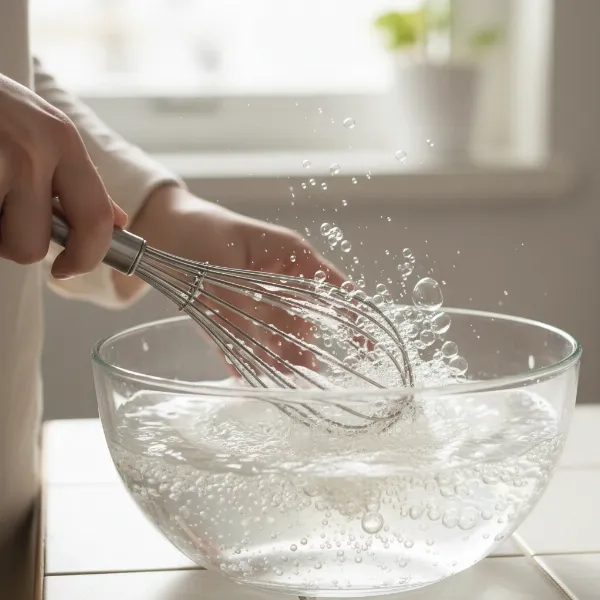
Selecting the right kitchen tool can transform a challenging culinary task into a smooth, enjoyable process. When it comes to whisking, the choice between a flat whisk and a balloon whisk often sparks debate, especially for specific preparations like a perfect roux. As an experienced technician in kitchenware, particularly whisks, I’ve had the opportunity to evaluate countless models. Let’s delve into these two popular whisk types to determine which reigns supreme for creating that essential base for many sauces and gravies.
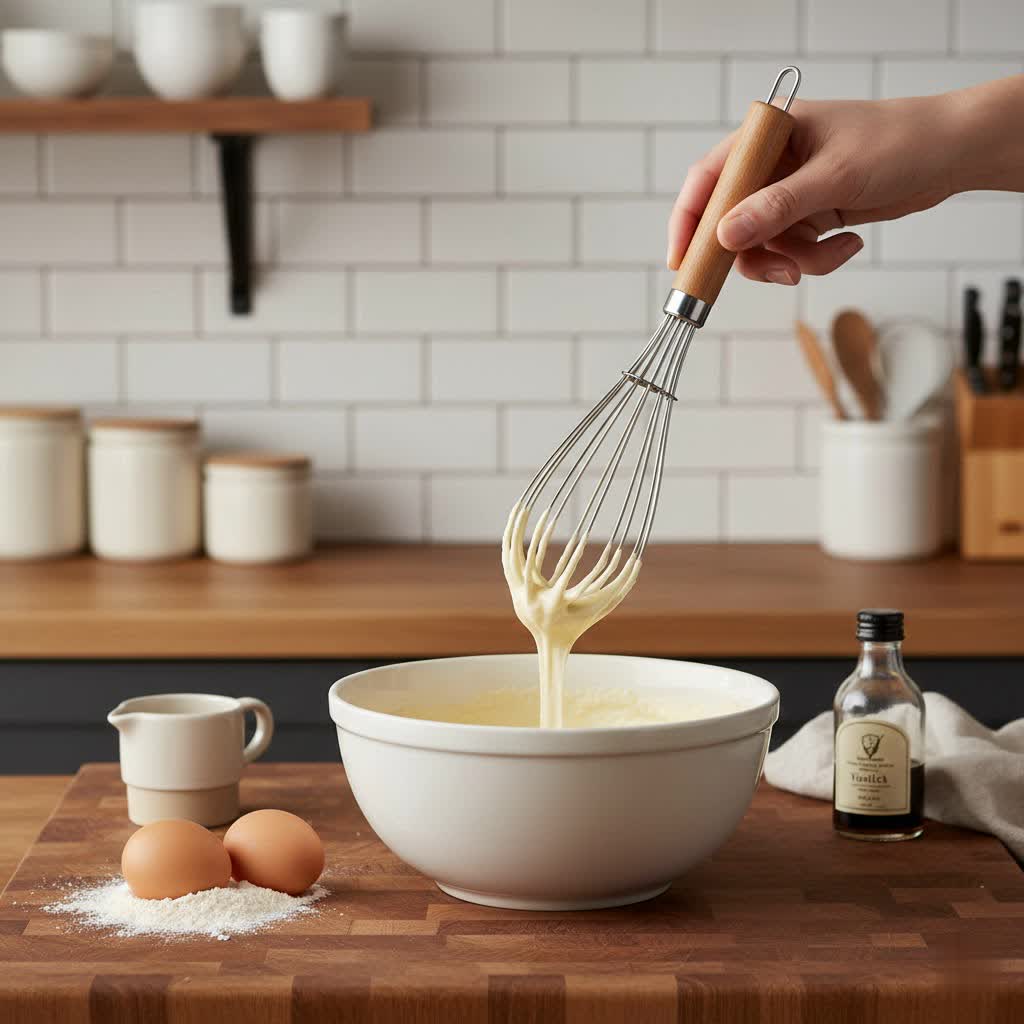
What is a Whisk and Why is it Essential in Your Kitchen?
At its core, a whisk is an indispensable kitchen utensil designed to blend ingredients thoroughly, incorporate air into mixtures, or achieve a smooth consistency more efficiently than a spoon or fork. Its primary function is to break up clumps and combine liquid and solid ingredients seamlessly. Historically, whisks have evolved from simple bundles of twigs to the sophisticated wire designs we see today, each optimized for different culinary applications.
Modern kitchens typically house a variety of whisks. The most common types include the versatile balloon whisk, the more focused French whisk with its narrower profile, and the specialized flat whisk, often referred to as a “roux whisk.” Understanding the unique characteristics of each can significantly impact your cooking results.
Delving into the Flat Whisk: The Roux Specialist
The flat whisk stands out in the culinary world due to its unique design, making it an undeniable champion for specific stovetop tasks, particularly when making a roux.
Design and Unique Features
|
Our Picks for the Best Whisk in 2026
As an Amazon Associate I earn from qualifying purchases.
|
||
| Num | Product | Action |
|---|---|---|
| 1 | Amazon Basics Stainless Steel Wire Whisk Set for Cooking, Different Sizes, Easy to Hold Ergonomic Handle, 3 Piece, Black/Silver |

|
| 2 | OXO SteeL 9-Inch Whisk |
|
| 3 | OXO Good Grips Mini Whisk |
|
| 4 | NileHome Silicone Whisk Set 8" 10" Kitchen Whisk Kitchen Wisk Wire Whisks for Cooking, Whisking, Blending, Beating, Stirring-Black |
|
| 5 | OXO Good Grips 11-Inch Balloon Whisk |
|
| 6 | KitchenAid Classic Utility Whisk, 10.5 Inch, Black |
|
| 7 | Whisks for Cooking, 3 Pack Stainless Steel Whisk for Blending, Whisking, Beating and Stirring, Enhanced Version Balloon Wire Whisk Set, 8"+10"+12" |
|
| 8 | NileHome Stainless Steel Whisk Set 8" 10" 12" Kitchen Whisk Balloon Whisk Kitchen Wisk Wire Whisks for Cooking, Whisking, Blending, Beating, Stirring-3 Pack… |
|
| 9 | Walfos Silicone Whisk,Stainless Steel Wire Whisk Set of 3 -Heat Resistant 480°F Kitchen Whisks for Non-stick Cookware,Balloon Egg Beater Perfect for Blending,Whisking,Beating,Frothing & Stirring,Black |
|
| 10 | TEEVEA Danish Dough Whisk Stainless Steel Wooden Handle for Sourdough Pizza Bread Baking |
|
Also known as a “roux whisk” or “pan whisk,” the flat whisk features looped wires—typically four to six—arranged in a flattened, almost two-dimensional shape. These wires extend from the handle and are oriented in the same direction, with the smallest loops usually positioned in the center. This distinctive, flattened profile allows the whisk to lie close to the bottom of shallow pans, enabling maximum contact with the cooking surface.
Primary Uses and Benefits
The flat whisk is engineered for tasks in shallow vessels where conventional whisks might struggle. Its primary uses include:
- Making Roux: This is its namesake and forte. The flat design excels at continuously stirring the flour and fat mixture, ensuring even cooking and preventing lumps.
- Sauces and Gravies: It’s ideal for sauces prepared in shallow pans, allowing you to reach all areas and prevent scorching.
- Deglazing: The flat wires effectively scrape up browned bits (fond) from the bottom of the pan, incorporating them into your sauce for rich flavor.
- Scrambling Eggs in a Pan: You can easily scramble eggs directly in the hot pan, ensuring thorough mixing without sticking.
- Stirring Thicker Mixtures: It’s excellent for preventing sticking with foods like polenta or grits.
One significant advantage of the flat whisk is its ability to scrape the bottom and corners of a pan, preventing ingredients from sticking and burning, which is crucial for a smooth roux. Its simplified wire arrangement also means less food gets trapped, leading to easier cleanup.
Why it Excels for Roux
A roux requires constant, thorough stirring to combine flour and fat evenly and prevent lumps or burning. The flat whisk’s design is perfectly suited for this. Its broad, flat head covers a large surface area of the pan bottom, allowing you to constantly move the flour and fat mixture, breaking up any potential clumps before they form. This direct contact ensures even heat distribution and consistent cooking, leading to a perfectly smooth roux every time.
“The flat whisk is a game-changer for roux. Its ability to maintain constant contact with the pan bottom is unparalleled, ensuring every grain of flour is incorporated and cooked evenly, preventing those dreaded lumps.” – Chef Isabella Rossi, Culinary Instructor & Sauce Specialist
Understanding the Balloon Whisk: The Aeration Champion
The balloon whisk, also known as a piano whisk, is a staple in almost every kitchen, celebrated for its versatility and effectiveness in aerating ingredients.
Design and Unique Features
Characterized by its bulbous, wide teardrop shape and numerous thin, flexible wires, the balloon whisk is the most common and recognizable type. Its springy wires are arranged in a circular pattern, creating a broad, open cage-like head. This design is optimized for creating maximum movement and incorporating air into mixtures.
Primary Uses and Benefits
The balloon whisk’s strengths lie in tasks that require significant aeration and light mixing:
- Whipping Cream: Its shape and springy wires are perfect for incorporating air to create light and fluffy whipped cream.
- Beating Egg Whites: Essential for meringues, soufflés, and angel food cake, where volume and lightness are key.
- Mixing Whole Eggs: Ideal for omelets or scrambled eggs (before cooking), where a light, airy texture is desired.
- Light Batters: It works well for thin batters, like those for pancakes or waffles, where aeration contributes to a lighter final product.
- Combining Dry Ingredients: Can be used to lightly mix dry ingredients as a substitute for sifting.
Its rounded shape also conforms well to the curved sides of mixing bowls, making it efficient for bowl-based tasks.
Limitations for Roux
While a balloon whisk is a versatile all-rounder, it falls short when it comes to making a roux, especially in shallow pans. Its bulbous shape struggles to reach the corners and edges of a skillet, leaving unmixed flour and fat to stick and burn. This can lead to a lumpy roux and an unevenly cooked base for your sauce. Additionally, its design, optimized for aeration, can cause hot flour and fat to splash, making the process messier and potentially hazardous. For the consistent, smooth texture a roux demands, its aeration capabilities become a hindrance rather than a help.
Flat Whisk vs. Balloon Whisk: A Direct Comparison for Roux
Let’s break down how these two whisks perform head-to-head specifically for making roux.
| Feature | Flat Whisk (Roux Whisk) | Balloon Whisk (Piano Whisk) |
|---|---|---|
| Design | Flattened, looped wires, few wires (4-6) | Bulbous, many thin, springy wires |
| Primary Function | Scraping pan bottom/corners, even mixing in shallow liquid | Aerating, whipping, mixing in bowls |
| Suitability for Roux | Excellent – designed for it | Poor – struggles in shallow pans, promotes lumps, splashes |
| Pan Contact | Maximized, scrapes bottom and corners | Limited, struggles with corners and pan bottom |
| Lump Prevention | Highly effective due to constant contact and scraping | Ineffective in shallow pans, prone to leaving lumps |
| Aeration | Low | High (main purpose) |
| Ease of Cleaning | Generally easier, less trapping of ingredients | Can trap ingredients, requiring more effort to clean |
| Typical Pan Type | Shallow skillets, sauciers | Deep bowls, stand mixer bowls |
As the table clearly illustrates, the flat whisk is unequivocally the superior choice for making roux. Its specialized design ensures that flour and fat are thoroughly combined, preventing lumps and ensuring even cooking without burning. The balloon whisk, while excellent for aeration, simply isn’t built for the mechanics of roux-making in a shallow pan.
It’s also worth noting the availability of silicone-coated whisks. If you’re working with non-stick cookware, opting for a silicone flat whisk is highly recommended to protect your pan’s surface from scratches while still achieving the desired results.
Factors to Consider When Choosing Your Whisk
While our focus is on roux, a well-equipped kitchen benefits from a variety of whisks. Here are key factors to consider:
Intended Use
First, consider what you’ll be cooking most often. If sauces, gravies, and roux are a regular part of your repertoire, a flat whisk is a non-negotiable addition. For frequent baking, whipping cream, or aerating eggs, a sturdy balloon whisk is essential.
Material
Whisks typically come in stainless steel or silicone.
- Stainless Steel: Durable, heat-resistant, and effective for most tasks, especially for scraping in metal pans.
- Silicone: Ideal for non-stick cookware, as it won’t scratch delicate surfaces. Ensure the silicone is high-heat resistant.
Pan Type
Your cookware dictates whisk choice. Shallow pans and skillets demand a flat whisk to maximize contact. Deeper pots and mixing bowls are better suited for the bulbous shape of a balloon whisk or the narrower profile of a French whisk.
Handle Comfort and Durability
A comfortable, non-slip handle is crucial for prolonged whisking. Look for whisks with ergonomic designs and durable construction that can withstand frequent use and cleaning.
Tips for Using and Maintaining Your Whisks
Mastering the whisk isn’t just about choosing the right tool; it’s also about proper technique and care.
How to Use Your Whisk Correctly for Sauces
When making a roux or any pan sauce, the key is continuous motion. Use your flat whisk to vigorously stir the mixture, ensuring it reaches all edges and corners of the pan. Press down slightly to effectively scrape the bottom, preventing any bits from sticking and burning. This constant agitation is vital for a smooth, homogenous product.
Cleaning and Storage Tips
- Immediate Rinse: For easier cleaning, rinse your whisk immediately after use to prevent food from drying and sticking between the wires.
- Soak if Needed: For stubborn bits, a quick soak in warm, soapy water can work wonders.
- Dishwasher Safe: Many stainless steel and silicone whisks are dishwasher safe, but always check manufacturer instructions.
- Proper Drying: Ensure whisks are thoroughly dry before storing to prevent rust (for stainless steel) or mildew.
- Storage: Store whisks in a utensil crock or a drawer where wires won’t get bent or tangled.
Conclusion
When it comes to crafting a flawless roux, the flat whisk, specifically designed for shallow pans and thorough scraping, is the undisputed champion. While the versatile balloon whisk excels at aeration and whipping, its design limitations make it less effective and potentially messier for roux. For anyone serious about making smooth, lump-free sauces and gravies, investing in a dedicated flat whisk is a culinary decision you won’t regret. Equip your kitchen with the right tools for the job, and you’ll elevate your cooking from good to gourmet.
What specialized whisk has made the biggest difference in your kitchen?
Frequently Asked Questions
Can I use a regular whisk for roux?
While you can use a regular (balloon) whisk for roux, it’s not ideal. A balloon whisk struggles to reach the corners and scrape the bottom of shallow pans, leading to potential lumps and scorching. The flat whisk is specifically designed for this task, offering superior performance.
What other whisks are good for sauces?
Beyond the flat whisk, a French whisk, with its narrower profile and sturdier wires, is also effective for stirring sauces and batters in deeper pots. Some spiral whisks are also designed to maintain contact with the pan bottom, making them suitable for sauces and gravies.
Are silicone whisks good for roux?
Yes, silicone whisks are an excellent choice for making roux, especially if you are using non-stick cookware. They offer the same functional design as metal whisks but prevent scratching the delicate surface of your pans. Just ensure it’s a flat whisk design for optimal roux-making.
What’s the difference between a French whisk and a balloon whisk?
A French whisk is similar to a balloon whisk but features a slimmer, more tapered profile with slightly thicker wires. This makes it better suited for mixing heavier ingredients and reaching into the corners of deeper pots, whereas a balloon whisk is wider and designed primarily for aerating lighter mixtures in bowls.