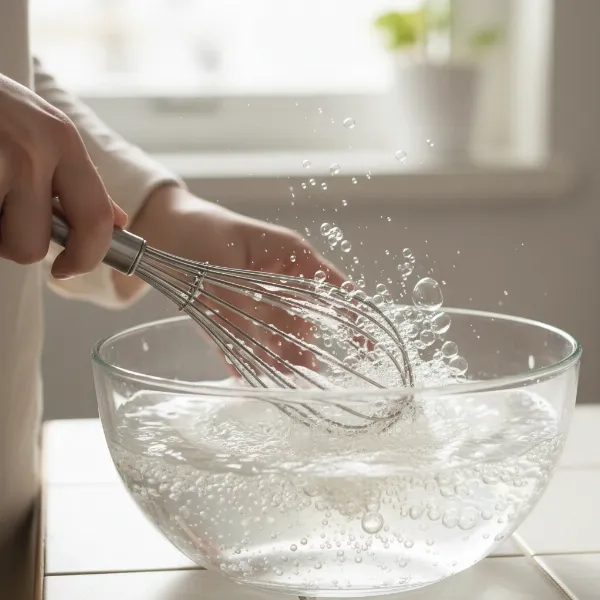
Step into any bustling professional kitchen, and you’ll encounter an array of specialized tools, each chosen for its specific function and material properties. Among them, the whisk is a fundamental implement, essential for everything from aerating delicate egg whites to emulsifying rich sauces. A persistent culinary mystique often surrounds copper, suggesting it’s the material of choice for discerning chefs. But when it comes to whisks, does this hold true, or is the idea of professional chefs wielding copper whisks more of a romantic myth than a kitchen reality? Let’s delve into the actual roles of copper in the professional kitchen and clarify the best tools for the job.
What is a Whisk and Why is the Material Important?
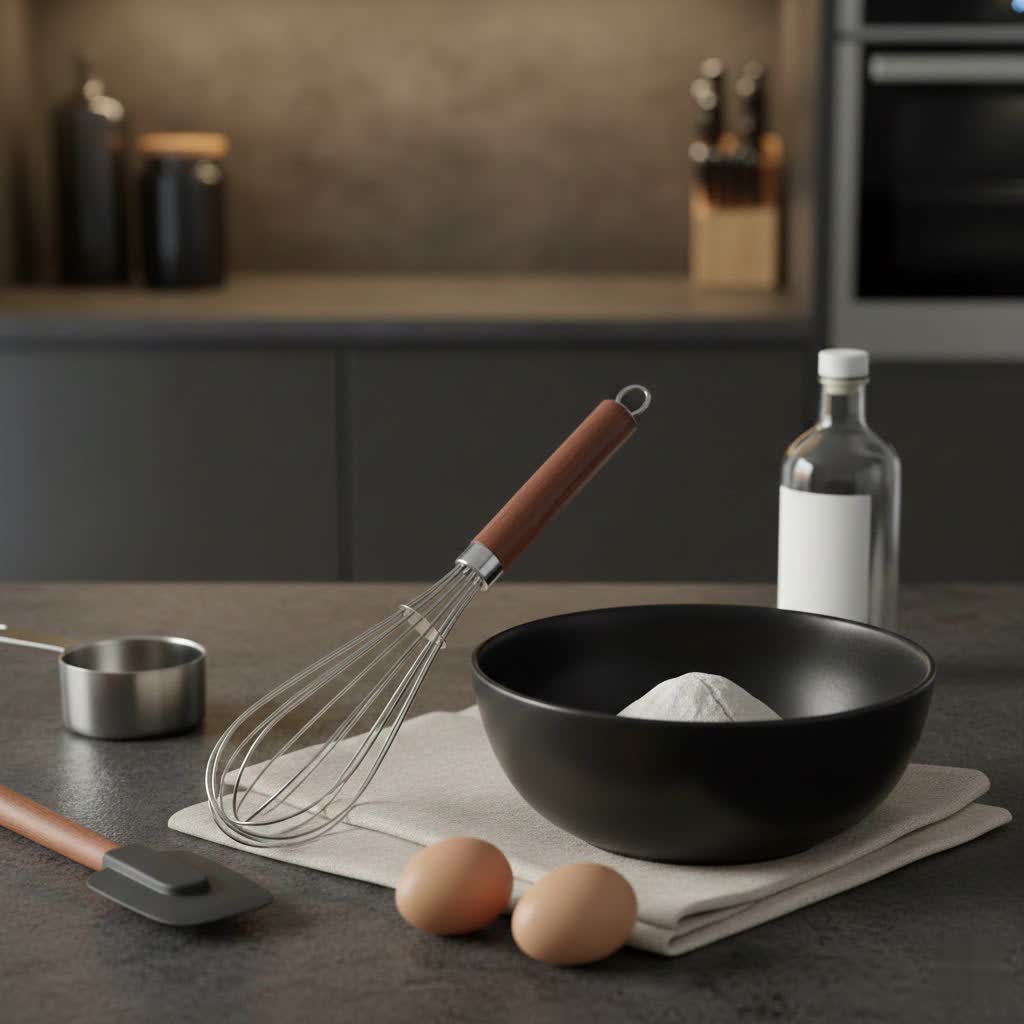
A whisk is a kitchen utensil designed to blend ingredients smooth and to incorporate air into a mixture, a process known as whisking or whipping. Its wire loops, typically arranged in a bulbous shape, efficiently agitate liquids and semi-liquids. From creating airy meringues to lump-free gravies, a whisk’s performance is intrinsically linked to its design and, crucially, the material from which it’s made.
The material of a whisk dictates several key aspects of its functionality. Durability is paramount in a busy kitchen, as whisks endure rigorous use and frequent cleaning. Reactivity with food ingredients, especially acidic ones, is another critical consideration; certain metals can impart undesirable flavors or colors. While whisks primarily transfer kinetic energy rather than heat directly to ingredients, the material’s structural integrity and ease of cleaning are vital for maintaining hygiene and performance standards.
The Truth About Copper in Professional Kitchens: Beyond the Whisk
Copper holds a revered place in many professional kitchens, not typically for whisks, but for its exceptional qualities as cookware. Copper pots and pans are celebrated for their unparalleled thermal conductivity and responsiveness. This means they heat up remarkably fast and, more importantly, cool down almost instantly when removed from heat. This precise temperature control is invaluable for delicate culinary tasks such as crafting perfect hollandaise sauces, melting chocolate, making caramel, or sautéing sensitive proteins where even a slight temperature overshoot can ruin the dish.
However, the use of copper cookware comes with its own set of considerations. It is significantly more expensive than other materials like stainless steel or aluminum. Copper also requires meticulous care, often needing regular polishing to maintain its aesthetic appeal. Furthermore, raw copper can react with acidic foods, potentially leaching into the ingredients and becoming toxic in large quantities. For this reason, most copper cookware designed for cooking is lined with a non-reactive metal like tin or stainless steel. These linings offer a protective barrier, though tin linings can wear off over time and require re-tinning. Unlined copper remains common for specialty applications like sugar work or sometimes for whipping egg whites in bowls, where the interaction is specifically desired.
The Science Behind Copper and Egg Whites: The Bowl, Not the Whisk
One of the most enduring and scientifically supported benefits of copper in the kitchen is its effect on egg whites. Professional chefs and pastry experts have long understood that whipping egg whites in a copper bowl yields superior results: glossier, more stable peaks that are less prone to weeping or overwhipping. This isn’t a myth; it’s a fascinating chemical interaction.
As egg whites are whisked in an unlined copper bowl, tiny copper ions from the bowl’s surface detach and interact with a protein in the egg whites called conalbumin. This interaction forms a stable copper-conalbumin complex. This new complex stabilizes the protein structure, making the egg foam stronger and more resistant to collapse. The egg whites become more pliable, allowing them to expand further and trap more air, which is particularly advantageous for baked goods like soufflés and meringues where maximum volume is desired. The copper also helps prevent the formation of strong disulfide bonds between proteins, which can lead to a dry, brittle foam. For those without a copper bowl, acidic ingredients like cream of tartar, a pinch of salt, or a few drops of lemon juice can provide a similar, though often less pronounced, stabilizing effect.
Why Copper Whisks Are Rarely Seen in Professional Settings
Given copper’s impressive properties in cookware and its unique benefits for egg whites, why aren’t copper whisks a staple in professional kitchens? The answer lies in practicality, material suitability, and the specific function of a whisk.
Firstly, the primary advantages of copper – its exceptional heat conductivity and reactivity with egg proteins – are primarily beneficial for vessels (like pots, pans, or bowls) that either directly hold ingredients over heat or allow for substantial surface contact with the food during a chemical reaction. A whisk, by its very nature, is designed for mechanical agitation; its thin wires have minimal surface area, and its main role isn’t to conduct heat into the mixture or directly trigger a chemical reaction through prolonged contact.
Secondly, copper is a relatively soft metal. While ductile enough to be drawn into wires, a pure copper whisk would be less durable and more prone to bending or deforming under the rigorous demands of a professional kitchen compared to its stainless steel counterparts.
Lastly, considering the higher cost and maintenance requirements of copper, investing in a copper whisk would offer little to no functional benefit over a much more affordable and robust stainless steel whisk. The hygiene factor is also crucial; stainless steel is non-reactive, easy to clean, and resistant to corrosion, making it the preferred material for a tool that comes into frequent contact with various food types and requires thorough sanitization. Therefore, the idea of professional chefs routinely using copper whisks is indeed largely a myth. Their utility lies in specific copper bowls, not the whisk tool itself.
Choosing the Right Whisk for Your Culinary Needs
Selecting the ideal whisk can significantly impact your cooking and baking results. Understanding the various types and materials available is key to making an informed choice for your kitchen.
Material Considerations
- Stainless Steel: The undisputed workhorse of professional kitchens. Stainless steel whisks are durable, non-reactive with acidic ingredients, resistant to rust and corrosion, and easy to clean. They are versatile for almost any task.
- Silicone-Coated: These whisks feature stainless steel wires coated in silicone. They are excellent for use with non-stick cookware, preventing scratches on delicate surfaces. They are also heat-resistant and often dishwasher- safe.
- Plastic/Nylon: While inexpensive, plastic whisks are generally less durable, can melt with high heat, and may not provide the stiffness needed for vigorous whisking tasks. They are best for light mixing.
|
Our Picks for the Best Whisk in 2026
As an Amazon Associate I earn from qualifying purchases.
|
||
| Num | Product | Action |
|---|---|---|
| 1 | OXO Good Grips Mini Whisk |

|
| 2 | KitchenAid Classic Utility Whisk, 10.5 Inch, Black |
|
| 3 | NileHome Stainless Steel Whisk Set 8" 10" 12" Kitchen Whisk Balloon Whisk Kitchen Wisk Wire Whisks for Cooking, Whisking, Blending, Beating, Stirring-3 Pack… |
|
| 4 | OXO SteeL 9-Inch Whisk |
|
| 5 | TEEVEA Danish Dough Whisk Stainless Steel Wooden Handle for Sourdough Pizza Bread Baking |
|
| 6 | Amazon Basics Stainless Steel Wire Whisk Set for Cooking, Different Sizes, Easy to Hold Ergonomic Handle, 3 Piece, Black/Silver |
|
| 7 | Whisks for Cooking, 3 Pack Stainless Steel Whisk for Blending, Whisking, Beating and Stirring, Enhanced Version Balloon Wire Whisk Set, 8"+10"+12" |
|
| 8 | NileHome Silicone Whisk Set 8" 10" Kitchen Whisk Kitchen Wisk Wire Whisks for Cooking, Whisking, Blending, Beating, Stirring-Black |
|
| 9 | OXO Good Grips 11-Inch Balloon Whisk |
|
| 10 | Walfos Silicone Whisk,Stainless Steel Wire Whisk Set of 3 -Heat Resistant 480°F Kitchen Whisks for Non-stick Cookware,Balloon Egg Beater Perfect for Blending,Whisking,Beating,Frothing & Stirring,Black |
|
Size and Shape
- Balloon Whisk: Characterized by its many thin wires forming a wide, rounded shape, the balloon whisk is superb for incorporating air into mixtures. It’s ideal for whipping egg whites, cream, and light batters.
- French Whisk (or Wire Whisk): Similar to a balloon whisk but often narrower and longer with fewer wires. It’s excellent for reaching into the corners of pots and pans, making it perfect for sauces, gravies, and roux.
- Flat Whisk (or Roux Whisk): Designed with flat, angled wires, this whisk is specifically engineered to scrape the bottom of pans, preventing lumps and scorching in sauces and gravies. It’s less effective for aerating.
- Ball Whisk: Features individual wires topped with small balls. These whisks are known for reaching into corners and are often easier to clean.
Handle Comfort and Durability
A comfortable, non-slip handle is crucial for extended whisking tasks, reducing hand fatigue. Handles can be made from stainless steel, silicone, or other synthetic materials. Ensure the handle is securely attached to the wires for durability.
Top Whisk Recommendations for Home Cooks and Professionals
While copper whisks are largely a culinary curiosity, high-quality stainless steel and silicone whisks are indispensable. Here’s a comparison of types generally favored for their performance and versatility:
| Whisk Type | Pros | Cons | Ideal Use |
|---|---|---|---|
| Stainless Steel Balloon Whisk | Excellent for aeration, durable, non-reactive, easy to clean | Can scratch non-stick surfaces, may be too large for small tasks | Whipping egg whites, cream, light batters, general mixing |
| Stainless Steel French Whisk | Good for reaching pan corners, durable, versatile, non-reactive | Less effective for maximum aeration than a balloon whisk | Sauces, gravies, roux, general mixing in pots |
| Silicone-Coated Balloon Whisk | Safe for non-stick cookware, good aeration, heat-resistant | Wires may be less rigid than steel, can be harder to clean if food bakes on | Whipping in non-stick bowls/pans, delicate mixing |
| Stainless Steel Flat Whisk | Perfect for scraping pan bottoms, eliminates lumps in sauces | Limited aeration capabilities, less versatile for general whisking | Gravies, pan sauces, dissolving ingredients, making roux |
Whisk Usage and Care Tips
Mastering the whisk isn’t just about choosing the right tool; it’s also about technique and proper care to ensure longevity and optimal performance.
How to Use Your Whisk Effectively
- For Aeration (Egg Whites, Cream): Use a balloon whisk in a large, clean bowl. Start slowly to break up proteins, then increase speed, moving the whisk in wide circular motions and figure-eights to incorporate maximum air. Aim for a consistently clean bowl to avoid any fat that can hinder aeration.
- For Smooth Sauces (Gravy, Roux): A French or flat whisk is ideal. Keep the whisk moving constantly, ensuring you reach all corners and the bottom of the pan to prevent scorching and lumps. For thick sauces, a more rigid whisk can provide better leverage.
- For Emulsifications (Vinaigrettes, Mayonnaise): Use a smaller whisk and a steady, rhythmic motion. Gradually add your oil or liquid while continuously whisking to create a stable emulsion.
Cleaning and Storage
- Stainless Steel Whisks: Most are dishwasher safe. For handwashing, use hot soapy water and ensure all food particles are removed from between the wires. Dry thoroughly to prevent water spots.
- Silicone-Coated Whisks: Also generally dishwasher safe. Be mindful of food getting stuck under the silicone coating where it meets the handle; clean thoroughly to prevent bacterial growth.
- Storage: Store whisks in a utensil crock or hang them on a rack to prevent them from getting bent or tangled with other tools.
Conclusion
The notion of professional chefs universally opting for copper whisks is largely a captivating culinary myth. While copper holds an undeniably prestigious and functional place in professional kitchens, it is predominantly in the form of specialized cookware and, most notably, unlined copper bowls for the precise science of whipping egg whites. The unique chemical reaction between copper ions and egg proteins is a game-changer for meringues and soufflés, demonstrating copper’s highly specific utility.
For the whisk itself, the workhorse of choice remains robust, non-reactive stainless steel, sometimes augmented with silicone for non-stick surfaces. These materials offer the durability, versatility, and ease of cleaning required in high-demand culinary environments, without the cost or care complexities of copper. Understanding these distinctions allows both aspiring and experienced cooks to make informed choices, equipping their kitchens not with myths, but with the truly perfect tools for every culinary endeavor. What’s your go-to whisk, and how has its material influenced your cooking?
Frequently Asked Questions
Do copper whisks offer any advantage over stainless steel?
In most common whisking tasks, copper whisks offer no significant advantage over stainless steel. Copper’s key benefits, such as superior heat conductivity and unique chemical interaction with egg whites, are best utilized in cookware or bowls where prolonged contact or heat transfer is essential. For the mechanical action of whisking, stainless steel provides greater durability, non-reactivity, and ease of maintenance, making it the preferred material.
Is it safe to use a copper whisk with acidic foods?
Using an unlined copper whisk with acidic foods is generally not recommended. Copper can react with acids, potentially leaching small amounts of the metal into your food. While small quantities might not be immediately harmful, repeated exposure or higher concentrations could be toxic. Most modern copper kitchen tools intended for direct food contact are lined with a non-reactive metal like tin or stainless steel for safety.
What is the best material for a whisk used by professional chefs?
Professional chefs overwhelmingly prefer whisks made from high-quality stainless steel. This material offers exceptional durability, resistance to rust and corrosion, and is non-reactive with a wide range of ingredients, including acidic ones. Stainless steel whisks are also easy to clean and sanitize, crucial for maintaining hygiene standards in a professional kitchen. Silicone-coated whisks are also popular for use with non-stick cookware.
Can I achieve the same egg white stability without a copper bowl?
While a copper bowl provides unique chemical stabilization for egg whites, you can achieve excellent results using a very clean stainless steel or glass bowl along with an acidic agent. Adding a pinch of cream of tartar (about 1/8 to 1/4 teaspoon per egg white), a few drops of lemon juice, or white vinegar can help stabilize egg whites by lowering their pH, mimicking some of the effects of copper and helping the foam hold its structure.