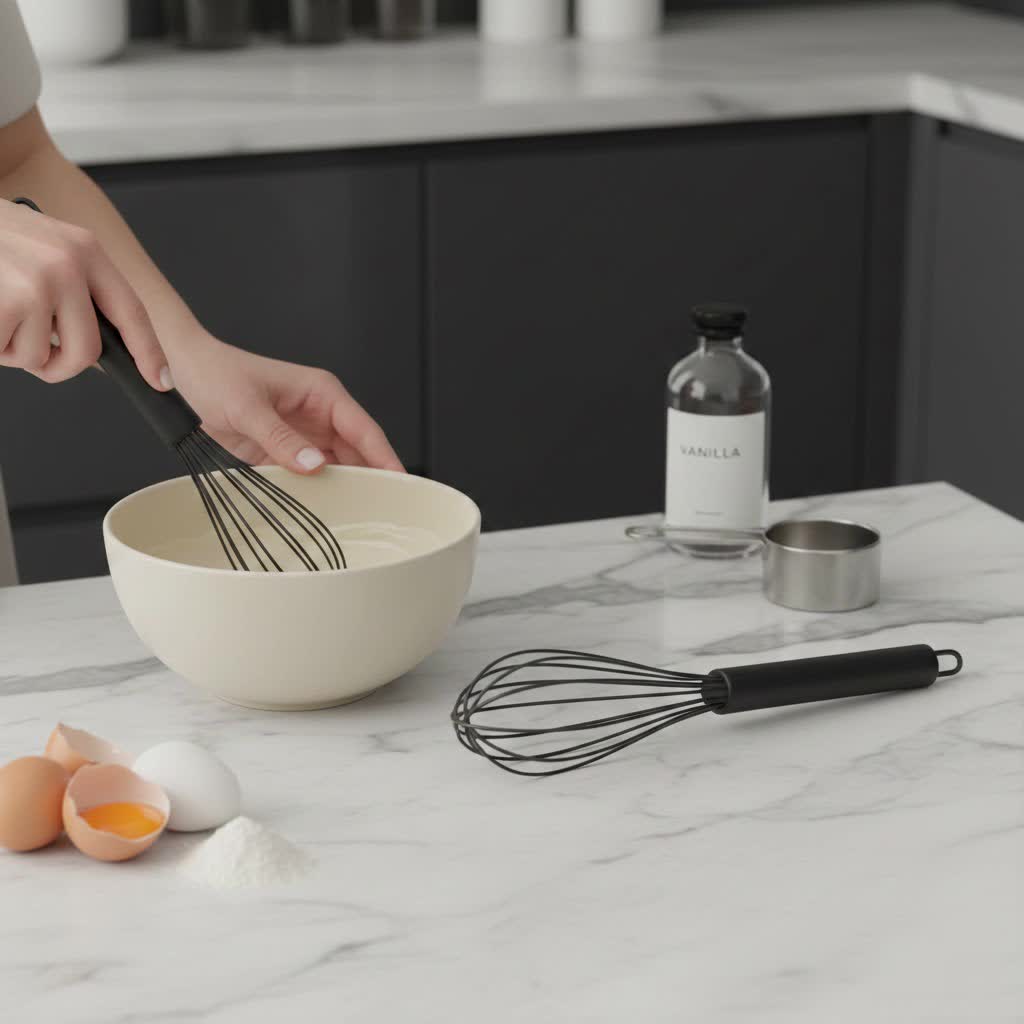
For any home cook or professional chef, the humble whisk is an indispensable tool, transforming ingredients with aeration and emulsification. But what happens when design meets power, as with the Gastroback Design Whisk attachment? While Gastroback is renowned for its sleek, high-performance kitchen appliances, their whisk often comes as a robust attachment to their powerful hand blenders, offering a blend of German engineering and practical functionality. This article delves into what makes a great whisk and how Gastroback’s approach to whisk design, particularly as an attachment, stands up to the demands of modern culinary tasks.
What is a Whisk and Why is it Essential?
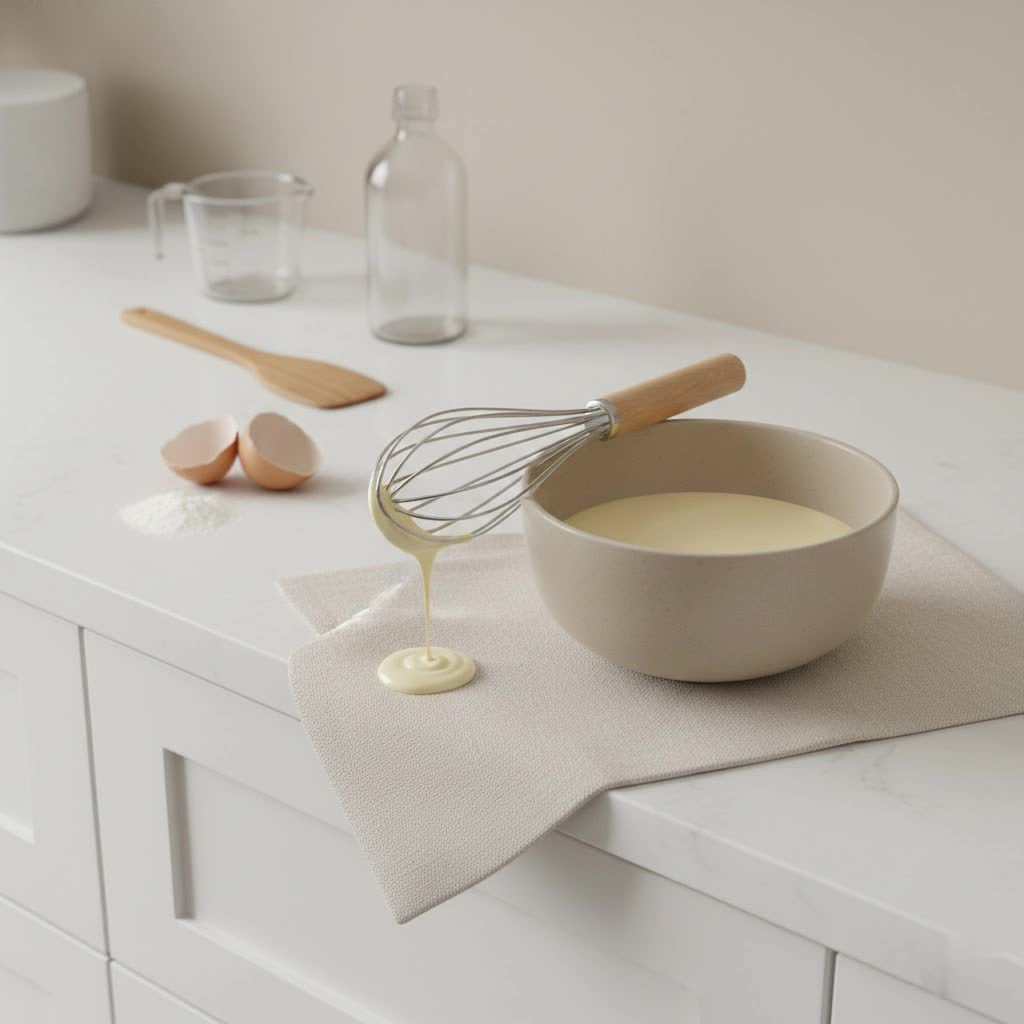
A whisk is a versatile kitchen utensil designed to blend ingredients smoothly, incorporate air, and prevent lumps. From light and airy whipped cream to perfectly emulsified sauces, its unique wire structure creates movement and friction, making it a cornerstone of baking and cooking. Historically, whisks have evolved from simple bundles of twigs to the sophisticated wire designs we see today, constantly adapting to new culinary techniques and materials. Modern kitchens often feature a variety of whisks, each optimized for specific tasks, highlighting their ongoing relevance in food preparation.
The market offers several popular whisk types, each with a distinct design and purpose. The classic balloon whisk, with its numerous loops, is excellent for incorporating air into mixtures like egg whites and cream. French whisks are more elongated and less bulbous, making them ideal for reaching the corners of saucepans and mixing denser batters. Flat whisks, also known as roux whisks, feature wires arranged in a single plane, perfect for scraping the bottom of pans to prevent sticking and ensure smooth gravies or sauces. Lastly, wire whisks are a broad category, encompassing various designs often made from stainless steel, providing durability and versatility for everyday use.
Understanding the Gastroback Design Whisk Attachment
The Gastroback Design Whisk typically shines as an integral part of their multi-functional hand blender sets, such as the Design Power Hand Blender Set 5-in-1. This integration is key to its “design” ethos, emphasizing efficiency and convenience within a larger system. Instead of a standalone manual whisk, it leverages the powerful motor of the Gastroback hand blender to deliver exceptional whisking performance. This approach means users benefit from high-speed rotation and consistent results without the manual effort.
Functionally, this whisk attachment excels at tasks requiring rapid aeration and emulsification. It transforms heavy cream into fluffy peaks in a matter of moments, effortlessly beats eggs for omelets or meringues, and creates smooth, lump-free sauces and dressings. The attachment is engineered to securely connect to the blender’s motor housing, ensuring stability and efficient power transfer during operation. Gastroback’s focus on robust construction extends to its attachments, typically featuring durable materials like stainless steel for longevity and easy cleaning. The synergy between the whisk attachment and the powerful blender motor provides a premium whisking experience, combining convenience with professional-grade results.
Categorizing Whisks by Purpose
Different culinary tasks demand specific whisk designs to achieve optimal results. Understanding these categories helps in selecting the right tool, whether it’s a manual whisk or a powerful attachment.
Whisks for Whipping Eggs and Cream
|
Our Picks for the Best Whisk in 2026
As an Amazon Associate I earn from qualifying purchases.
|
||
| Num | Product | Action |
|---|---|---|
| 1 | NileHome Stainless Steel Whisk Set 8" 10" 12" Kitchen Whisk Balloon Whisk Kitchen Wisk Wire Whisks for Cooking, Whisking, Blending, Beating, Stirring-3 Pack… |

|
| 2 | OXO Good Grips Mini Whisk |
|
| 3 | NileHome Silicone Whisk Set 8" 10" Kitchen Whisk Kitchen Wisk Wire Whisks for Cooking, Whisking, Blending, Beating, Stirring-Black |
|
| 4 | OXO Good Grips 11-Inch Balloon Whisk |
|
| 5 | Amazon Basics Stainless Steel Wire Whisk Set for Cooking, Different Sizes, Easy to Hold Ergonomic Handle, 3 Piece, Black/Silver |
|
| 6 | Whisks for Cooking, 3 Pack Stainless Steel Whisk for Blending, Whisking, Beating and Stirring, Enhanced Version Balloon Wire Whisk Set, 8"+10"+12" |
|
| 7 | OXO SteeL 9-Inch Whisk |
|
| 8 | KitchenAid Classic Utility Whisk, 10.5 Inch, Black |
|
| 9 | Walfos Silicone Whisk,Stainless Steel Wire Whisk Set of 3 -Heat Resistant 480°F Kitchen Whisks for Non-stick Cookware,Balloon Egg Beater Perfect for Blending,Whisking,Beating,Frothing & Stirring,Black |
|
| 10 | TEEVEA Danish Dough Whisk Stainless Steel Wooden Handle for Sourdough Pizza Bread Baking |
|
For light and airy creations like whipped cream, meringues, or fluffy scrambled eggs, whisks with a large, open shape are preferred. Balloon whisks, with their numerous wires, are excellent at incorporating maximum air into liquids, increasing volume and creating delicate textures. Electric whisk attachments, like those found with Gastroback hand blenders, replicate this action with high-speed rotation, making quick work of these tasks and ensuring consistent, stiff peaks or frothy mixtures with minimal effort.
Whisks for Mixing Batters and Dry Ingredients
When dealing with thicker consistencies such as pancake batter, cake mixes, or combining dry ingredients, a sturdier whisk is more suitable. French whisks, with their more rigid and elongated design, are effective at cutting through dense mixtures, breaking up lumps, and ensuring even incorporation without over-aerating. While a hand blender whisk attachment might be too aggressive for very thick batters, it can be useful for initial blending of lighter batters before switching to a spatula or spoon for folding.
Whisks for Sauces and Soups
Smooth, lump-free sauces and soups require whisks that can effectively scrape the bottom and sides of a pan. Flat whisks, also known as roux whisks, are perfectly shaped for this, ensuring no ingredients stick or burn. Their design helps emulsify ingredients and create a velvety texture. While a hand blender attachment is primarily for whipping and blending, certain compact designs can be carefully used in shallow pans for quick mixing, though a dedicated flat whisk often provides more control for delicate sauces.
Specialty Whisks
Beyond the general categories, specialty whisks cater to niche culinary needs. Mini whisks are perfect for small batches, single servings, or mixing ingredients directly in a mug, such as matcha tea or salad dressing. Ball whisks feature individual wires with small balls at the end, which can be effective for aeration and reaching corners. While Gastroback’s main whisk offering is typically an attachment, its compact size and efficiency often mean it can serve multiple purposes, effectively replacing several manual whisks for routine tasks, particularly when combined with the varying speed settings of the hand blender.
Factors to Consider When Choosing a Whisk
Selecting the right whisk, whether standalone or an attachment, involves evaluating several key attributes to match your cooking style and needs.
Material
The material of a whisk significantly impacts its durability, performance, and cleaning. Stainless steel is the most common choice due to its strength, resistance to rust and corrosion, and hygiene. It’s ideal for vigorous whisking and high temperatures. Many whisk attachments, including Gastroback’s, feature high-quality stainless steel wires. Silicone-coated whisks are popular for protecting nonstick cookware from scratches, offering a softer touch while still providing effective mixing. Some whisks may also incorporate plastic or nylon components, especially in handles, for ergonomic design or lighter weight.
Size and Shape
The size and shape of a whisk should correspond to the bowls and pots you commonly use, as well as the quantity of ingredients. Larger balloon whisks are excellent for big batches and wide bowls, maximizing air incorporation. Smaller, more compact whisks or attachments are better suited for smaller containers and more delicate tasks. The Gastroback whisk attachment, designed to work with a hand blender, often has a streamlined shape that is efficient for a range of mixing needs within its operational parameters.
Handle Comfort
For manual whisks, a comfortable, ergonomic handle is paramount to reduce hand fatigue during extended use. Handles with non-slip grips or counter-weighted designs enhance control and comfort. In the case of a whisk attachment for a hand blender, the comfort of the blender’s main body becomes the crucial factor. Gastroback hand blenders, like the Design Hand Blender Advanced Pro, are often praised for their ergonomic “Soft-Touch” motor housing and easy-to-adjust speed settings, which directly contribute to the user experience when operating the whisk attachment.
Durability and Cleaning
A good whisk should withstand frequent use and be easy to clean. High-quality construction prevents wires from bending or breaking, and materials like stainless steel are inherently durable. Dishwasher-safe components are a major convenience. Gastroback’s attachments are typically designed for easy disassembly and cleaning, with stainless steel parts that are often dishwasher-friendly, ensuring longevity and hygienic maintenance.
Comparing the Gastroback Whisk Attachment with Traditional Whisks and Other Blenders
The Gastroback Design Whisk attachment offers a distinct advantage over traditional manual whisks due to the sheer power and speed of the electric motor it connects to. While a manual whisk relies on arm strength and technique to incorporate air and blend ingredients, the electric attachment does the work effortlessly, producing consistent results in a fraction of the time. For tasks like whipping cream or egg whites, the difference in speed and consistency is significant, often achieving desired textures much faster.
Compared to other hand blender whisk attachments, Gastroback emphasizes its “design” and robust build. While specific comparative data on just the whisk attachment against competitors is sparse, the overall performance of Gastroback’s hand blenders, which the whisk attaches to, indicates a powerful 800W motor that handles tasks with efficiency. This suggests that the whisk attachment benefits from this underlying power, making it a strong contender for those prioritizing speed and effectiveness in their blending tools.
Gastroback Design Whisk Attachment Performance Overview
As an attachment to the Gastroback Design Power Hand Blender, the whisk delivers impressive performance, primarily driven by the blender’s robust motor.
Pros:
- Exceptional Speed and Efficiency: Leveraging the hand blender’s powerful motor, the whisk attachment significantly reduces the time and effort required for whipping and aerating tasks. It can achieve light, fluffy results for cream and eggs very quickly.
- Consistent Results: The consistent rotation speed provided by the electric motor ensures uniform mixing and aeration, leading to predictable and high-quality outcomes.
- Versatility (within the hand blender system): While not a standalone tool, its integration into a multi-functional hand blender set means it contributes to a versatile kitchen appliance, capable of blending, chopping, and whisking.
- Durable Construction: Typically made from high-quality stainless steel, the whisk attachment is built to last and withstand regular use.
- Ergonomic Experience: The comfortable grip and intuitive controls of the Gastroback hand blender enhance the overall user experience when the whisk attachment is in use.
Cons:
- Not Standalone: The whisk’s functionality is dependent on the hand blender, meaning it cannot be used independently for quick, small, or delicate manual tasks.
- Less Control for Delicate Tasks: For very precise or gentle folding, a manual whisk might offer more nuanced control than an electric attachment.
- Part of a Larger Investment: The whisk comes as part of a hand blender set, which entails a higher initial investment compared to a single manual whisk.
Buying Guide: Maximizing Your Whisking Potential
Choosing the right whisk, or whisk system, involves thoughtful consideration to ensure it meets your culinary demands.
- Determine Your Whisking Needs: Are you frequently whipping large batches of cream, or do you need a quick tool for scrambling a single egg? If speed and efficiency for aeration are paramount, an electric whisk attachment like Gastroback’s, integrated into a hand blender, might be ideal. For occasional, small-scale, or highly controlled mixing, a manual whisk might suffice.
- Understand Whisk Types: Familiarize yourself with balloon, French, and flat whisks to know which shapes are best for various tasks. If you opt for a hand blender set, consider if the included whisk attachment is versatile enough for your most common recipes.
- Consider Material and Design: Prioritize durable materials like stainless steel for longevity and hygiene. If you use nonstick cookware, a silicone-coated manual whisk or careful use of a stainless steel attachment is important. For an electric attachment, assess the overall design and ergonomics of the hand blender it pairs with.
- Read User Reviews: For integrated systems like the Gastroback Design Whisk attachment, look at reviews for the complete hand blender set. These often provide insights into the performance, durability, and user-friendliness of all included attachments.
- Compare Value: While a standalone manual whisk is inexpensive, a high-quality hand blender set with a whisk attachment offers multi-functionality and power, potentially justifying a higher price point by replacing several individual tools.
Tips for Using and Maintaining Your Whisk
Proper usage and maintenance are crucial for maximizing the efficiency and lifespan of any whisk, including electric attachments.
How to Use a Whisk Effectively
For manual whisks, use a vigorous circular or figure-eight motion from the wrist, not the elbow, to incorporate air efficiently. Always start slowly and increase speed. When using a Gastroback whisk attachment, ensure it’s securely fitted to the hand blender. Start at a low speed to avoid splashes, then gradually increase to the desired power setting. Keep the whisk immersed in the mixture and move it around the bowl to ensure even blending. For whipping cream or egg whites, a clean, cold bowl and cold ingredients often yield the best results.
Cleaning and Storing Your Whisk
After each use, clean your whisk promptly to prevent food from drying onto the wires. For manual whisks, a quick rinse under hot water and a gentle scrub with soap is usually sufficient. Electric whisk attachments, particularly those with stainless steel wires, are often dishwasher-safe. Always check the manufacturer’s instructions for specific cleaning guidelines. Ensure all parts are completely dry before storing to prevent rust or mildew. Store whisks in a drawer or hang them on a utensil rack to maintain their shape and prevent damage.
Common Whisking Mistakes and How to Fix Them
One common mistake is over-whisking, which can turn whipped cream grainy or deflate egg whites. Pay attention to texture and stop whisking as soon as the desired consistency is reached. Another error is using the wrong size whisk for the bowl; a whisk too small won’t aerate effectively, while one too large will make a mess. Not properly cleaning the whisk can lead to residue affecting subsequent preparations or harboring bacteria. Always ensure your whisk and bowl are free of grease, especially when whipping egg whites, as even a tiny amount of fat can prevent them from reaching stiff peaks.
Conclusion
The whisk, in its various forms, remains an indispensable kitchen tool for aeration, emulsification, and smooth blending. While traditional manual whisks offer tactile control and simplicity, modern innovations like the Gastroback Design Whisk attachment, integrated with powerful hand blenders, provide unmatched speed, consistency, and convenience. By understanding the different types of whisks, considering factors like material and design, and adopting proper usage and maintenance practices, you can truly elevate your culinary creations. Whether you opt for the manual artistry or the electric efficiency, the right whisk empowers you to achieve professional-grade results in your own kitchen. What whisking challenge will you conquer next?
Frequently Asked Questions
What is the primary benefit of an electric whisk attachment over a manual whisk?
The primary benefit of an electric whisk attachment, like the one found with Gastroback hand blenders, is its ability to achieve faster, more consistent, and less labor-intensive results for whipping and aerating tasks. Leveraging a powerful motor, it can quickly create fluffy whipped cream, stiff egg whites, and smooth batters with minimal manual effort, significantly saving time and reducing fatigue during meal preparation.
Can the Gastroback Design Whisk attachment be used for all types of whisking tasks?
The Gastroback Design Whisk attachment is highly effective for a wide range of tasks, particularly those involving aeration, such as whipping cream, beating eggs, and emulsifying sauces. However, for very thick batters or delicate folding that requires precise control, a specialized manual whisk (like a French whisk for dense mixtures or a silicone spatula for folding) might be more appropriate. It excels where high-speed agitation is beneficial.
Is the Gastroback Design Whisk attachment easy to clean?
Yes, Gastroback kitchen tools, including their whisk attachments, are typically designed for ease of cleaning. The stainless steel components are often dishwasher-safe, allowing for quick and hygienic maintenance. It is generally recommended to separate the attachment from the hand blender motor and consult the product manual for specific cleaning instructions to ensure its longevity.