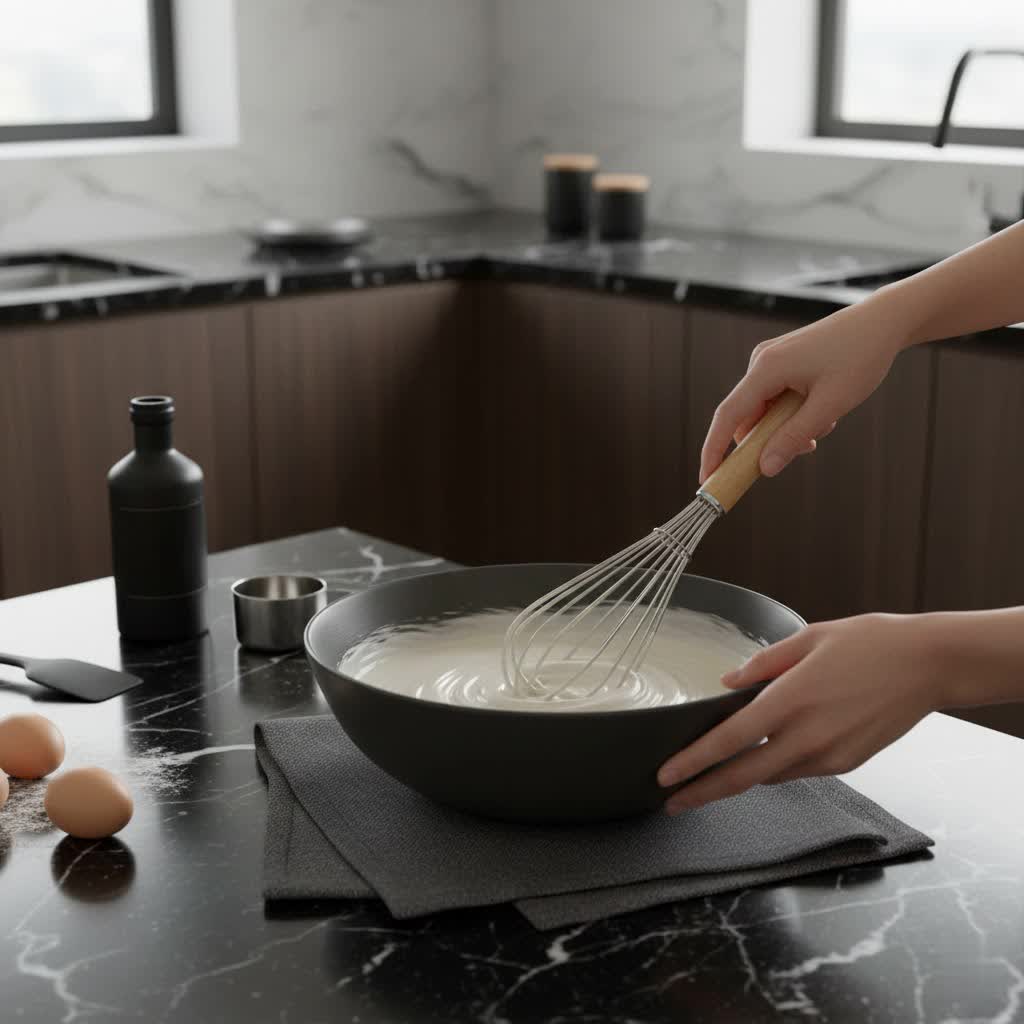
For any passionate baker, the Danish dough whisk is an indispensable tool, revered for its ability to effortlessly blend sticky doughs and batters without overmixing or creating a messy struggle. Its unique open-coil design excels at bringing ingredients together, making light work of everything from artisan bread to pancakes. However, this same ingenious design, while perfect for mixing, can pose a unique cleaning challenge. Those intricate loops, so effective at gathering dough, are equally adept at trapping stubborn bits, turning cleanup into a less-than-delightful chore. But fear not, for mastering the art of cleaning your Danish dough whisk is simpler than you might imagine, ensuring your beloved tool remains pristine and ready for countless baking adventures.
Understanding Your Danish Dough Whisk
The Danish dough whisk, often referred to as a “brodpisker” in its country of origin, stands apart from traditional balloon whisks. Its construction features a thick, rigid wire, typically stainless steel, formed into several overlapping, asymmetrical loops, all securely attached to a sturdy handle, often made of wood. Unlike a balloon whisk designed to incorporate air, the Danish dough whisk is engineered to cut through dense, sticky mixtures, efficiently hydrating flour and blending ingredients with minimal effort. This design minimizes surface area contact with the dough, allowing it to pass through the coils rather than clumping around them. This efficiency is precisely what makes it so effective for high-hydration doughs like sourdough or no-knead bread. However, despite its clever design, some dough inevitably adheres to the wire loops and the junction where they meet the handle, especially if left to dry.
The Golden Rule: Clean Immediately After Use
The single most crucial piece of advice for cleaning a Danish dough whisk is to address it immediately after use. Fresh dough is soft, pliable, and significantly easier to remove than dough that has dried and hardened onto the whisk’s intricate coils. Just as you wouldn’t leave a pot with burnt-on food to sit, treating your dough whisk with prompt attention will save you considerable time and effort later. Making this immediate cleanup a habit will ensure that sticky residue never truly stands a chance.
Step-by-Step Cleaning for Fresh Dough Residue
When the dough is still wet and pliable, cleaning your Danish dough whisk is a quick and straightforward process that takes mere seconds.
The “Whisk the Water” Method
|
Our Picks for the Best Whisk in 2026
As an Amazon Associate I earn from qualifying purchases.
|
||
| Num | Product | Action |
|---|---|---|
| 1 | OXO Good Grips 11-Inch Balloon Whisk |

|
| 2 | OXO Good Grips Mini Whisk |
|
| 3 | Walfos Silicone Whisk,Stainless Steel Wire Whisk Set of 3 -Heat Resistant 480°F Kitchen Whisks for Non-stick Cookware,Balloon Egg Beater Perfect for Blending,Whisking,Beating,Frothing & Stirring,Black |
|
| 4 | Amazon Basics Stainless Steel Wire Whisk Set for Cooking, Different Sizes, Easy to Hold Ergonomic Handle, 3 Piece, Black/Silver |
|
| 5 | TEEVEA Danish Dough Whisk Stainless Steel Wooden Handle for Sourdough Pizza Bread Baking |
|
| 6 | OXO SteeL 9-Inch Whisk |
|
| 7 | Whisks for Cooking, 3 Pack Stainless Steel Whisk for Blending, Whisking, Beating and Stirring, Enhanced Version Balloon Wire Whisk Set, 8"+10"+12" |
|
| 8 | NileHome Stainless Steel Whisk Set 8" 10" 12" Kitchen Whisk Balloon Whisk Kitchen Wisk Wire Whisks for Cooking, Whisking, Blending, Beating, Stirring-3 Pack… |
|
| 9 | KitchenAid Classic Utility Whisk, 10.5 Inch, Black |
|
| 10 | NileHome Silicone Whisk Set 8" 10" Kitchen Whisk Kitchen Wisk Wire Whisks for Cooking, Whisking, Blending, Beating, Stirring-Black |
|
This ingenious method leverages the whisk’s primary function—whisking—to clean itself. Simply fill a bowl with warm, soapy water. Submerge the whisk’s head into the water and begin to “whisk” it vigorously, just as you would whisk eggs or batter. The motion of the whisk through the sudsy water, combined with the mild abrasive action of the water itself, helps dislodge any soft dough clinging to the loops and crevices. You’ll often see the dough quickly releasing into the water, creating a satisfyingly foamy mixture. Continue whisking until the whisk appears clean.
Rinsing Under Running Water
After whisking in the soapy water, hold your Danish dough whisk under warm, running water. Use your fingers to gently rub any remaining soft bits of dough from the loops. The combination of water pressure and a light touch should easily remove any stragglers. Ensure you rinse thoroughly, paying attention to the areas where the wires join the handle, to remove all soap residue.
Tackling Stubborn or Dried Dough
Life happens, and sometimes, despite our best intentions, dough hardens on the whisk. When this occurs, a bit more intervention is needed, but it’s still entirely salvageable.
The Power of Soaking
For dried or stubborn dough, soaking is your most effective ally. Fill a bowl with hot, soapy water, ensuring the whisk’s metal head is fully submerged. Let it soak for at least 30 minutes. For particularly tough or heavily crusted dough, an overnight soak can work wonders, allowing the water and soap to penetrate and soften the dried dough, making it much easier to remove.
Gentle Scrubbing with the Right Tools
Once the dough has softened from soaking, it’s time for some gentle scrubbing. Avoid harsh abrasive materials that could scratch the whisk’s wires.
- Nylon Scouring Pad: A non-scratch nylon scouring pad is excellent for gently rubbing the softened dough from the metal loops. Its texture is effective without being damaging.
- Soft Bristle Brush: For reaching into the tightest corners and crevices where the loops intersect, a soft bristle brush—like a straw cleaning brush, a bottle brush, or even an old toothbrush—is invaluable. The bristles can effectively dislodge softened dough particles that a sponge might miss.
- Fingers: Your own fingers can be surprisingly effective for working off softened dough, especially after a good soak.
Work carefully, applying gentle pressure, until all residue is removed. Rinse thoroughly under warm running water to ensure all soap and dough bits are gone.
Special Considerations for Different Whisk Materials
While the wire loops are almost always stainless steel, the handle material can influence your cleaning approach.
Wooden Handles: Care and Caution
Many Danish dough whisks feature beautiful and ergonomic wooden handles. While aesthetically pleasing, wood requires special care.
- Avoid Prolonged Soaking: Excessive soaking can cause wooden handles to swell, crack, warp, or even mold. When soaking the whisk head, try to keep the wooden handle above the waterline as much as possible.
- No Dishwasher: Dishwashers are extremely harsh on wood, leading to irreversible damage. Always handwash whisks with wooden handles.
- Thorough Drying: After washing, immediately towel-dry the wooden handle completely. Allowing it to air dry can lead to moisture absorption and damage. Occasionally, you might want to apply a food-grade mineral oil to condition the wood and prevent it from drying out over time.
Stainless Steel and Silicone Whisks
Some Danish dough whisks come with stainless steel or silicone handles. These materials are generally more robust and less susceptible to water damage. While they are often labeled “dishwasher safe,” handwashing is still recommended for optimal cleaning, especially for removing sticky dough from the loops. Dishwashers may not always reach every nook and cranny, leaving behind residue. However, the occasional run through the dishwasher for sanitization is usually fine for these models.
Maintenance Tips for Longevity
Proper care extends beyond just cleaning. A few simple maintenance practices will keep your Danish dough whisk in top condition for years.
- Thorough Drying: Regardless of the handle material, always ensure your whisk is completely dry before storing it. Moisture can lead to rust on stainless steel over time and damage wooden handles.
- Proper Storage: Store your whisk in a utensil crock or hang it where it won’t be easily bent or damaged. Avoid throwing it into a drawer where its delicate loops could get tangled or bent by other tools.
- Regular Inspection: Periodically check the whisk for any signs of wear, such as loose wires or cracks in a wooden handle. Addressing minor issues early can prevent them from becoming larger problems.
Troubleshooting Common Cleaning Challenges
Even with the best practices, sometimes a challenge arises.
- Persistent Sticky Dough: If dough remains stubbornly sticky even after soaking, try increasing the water temperature slightly (without making it too hot for wooden handles) or adding a little more dish soap to create a stronger cleaning solution for another soak.
- Preventing Rust: High-quality Danish dough whisks are made from stainless steel, which is rust-resistant. However, prolonged exposure to moisture, especially if not thoroughly dried, can cause superficial rust spots. If you notice any, a gentle scrub with a baking soda paste can often remove them. Ensure thorough drying afterwards.
Cleaning your Danish dough whisk doesn’t have to be a daunting task. By adopting the habit of immediate cleaning, utilizing warm, soapy water and a simple whisking motion, and knowing how to tackle dried residue with a soak and gentle scrub, you can keep this invaluable baking tool in pristine condition. Paying attention to handle materials and performing regular maintenance ensures your whisk will continue to be a reliable partner in your kitchen for countless batches of delicious dough. So, go forth and bake with confidence, knowing that your cleanup routine is as efficient as your whisking!
Frequently Asked Questions
Can I put my Danish dough whisk in the dishwasher?
It depends on the handle material. Whisks with wooden handles should never go in the dishwasher, as the harsh detergents and high heat can cause warping, cracking, or splitting. Stainless steel or silicone-handled whisks are generally dishwasher-safe, but handwashing is often more effective for thoroughly removing sticky dough from the intricate loops.
What if the dough has completely dried and hardened on the whisk?
If dough has dried and hardened, your best approach is to soak the whisk. Submerge the metal head in a bowl of hot, soapy water for at least 30 minutes, or even overnight for very stubborn residue. This will soften the dough, making it much easier to scrub away with a nylon scouring pad or a soft bristle brush.
What tools are best for cleaning between the loops of the whisk?
For reaching into the tight spaces between the whisk’s loops, a soft bristle brush such as a straw cleaner, a bottle brush, or an old toothbrush is highly effective. These tools can dislodge softened dough particles that might be missed by a sponge, ensuring a thorough clean without damaging the whisk.
How often should I deep clean my whisk?
A Danish dough whisk should be cleaned immediately after every use to prevent dough from drying and hardening. A “deep clean” (e.g., prolonged soaking and scrubbing) is primarily needed if dough has been allowed to dry on the whisk. Regular, prompt cleaning after each use typically prevents the need for extensive deep cleaning.