Are you tired of curdled custards or grainy sauces when attempting to master the delicate art of tempering eggs? Achieving that silky-smooth texture in your crème anglaise, hollandaise, or lemon curd hinges on one crucial tool: the right whisk. Tempering, the process of gradually incorporating a hot liquid into eggs, requires continuous, efficient mixing to prevent the eggs from scrambling and instead create a beautifully emulsified base. Selecting the ideal whisk can transform this often-intimidating culinary technique into a seamless, satisfying experience, ensuring creamy, lump-free results every time. Let’s explore the world of whisks to find your perfect partner for this essential kitchen task.
What is a Whisk and Why You Need One for Tempering?
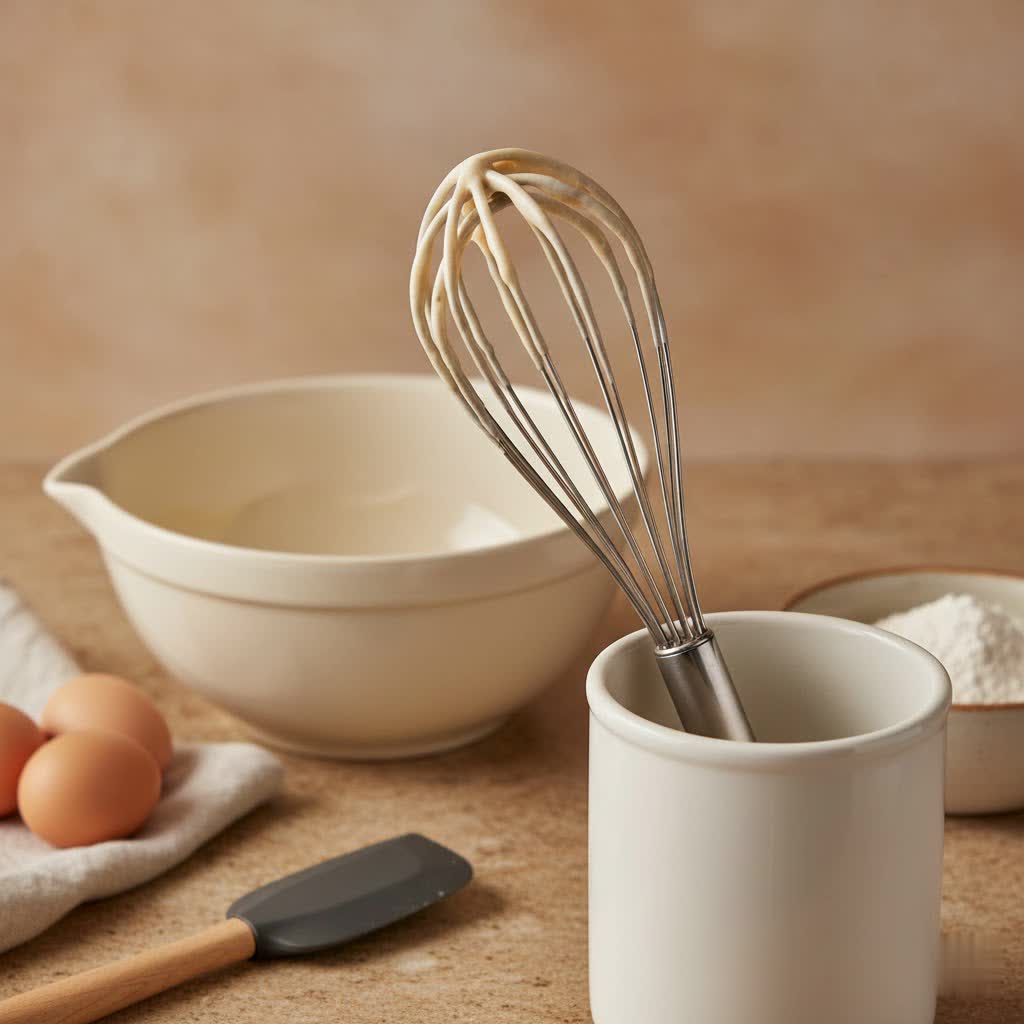
A whisk is a fundamental kitchen utensil composed of a handle and several wire loops, designed to blend, beat, and aerate ingredients. While seemingly simple, its design is crucial for successful culinary outcomes. In the context of tempering, a whisk’s primary role is to ensure a gradual and even temperature increase of the eggs as a hot liquid is slowly introduced. This gentle, constant agitation prevents the egg proteins from coagulating too quickly, which would result in undesirable scrambled bits. Instead, the whisk helps to create a stable emulsion, where fats and liquids combine harmoniously, forming the smooth, rich base for various sauces and desserts. From bundles of twigs used in ancient kitchens to the diverse designs we see today, whisks have evolved to meet specific mixing needs, with certain types proving exceptionally effective for the delicate demands of tempering.
Categorizing Whisks for Optimal Tempering Performance
The world of whisks offers a surprising variety, each with unique characteristics that make it suitable for different culinary tasks. When it comes to tempering eggs into hot liquids, specific designs stand out for their ability to deliver smooth, lump-free results.
Balloon Whisks: The Versatile Choice for Gentle Emulsions
|
Our Picks for the Best Whisk in 2026
As an Amazon Associate I earn from qualifying purchases.
|
||
| Num | Product | Action |
|---|---|---|
| 1 | Walfos Silicone Whisk,Stainless Steel Wire Whisk Set of 3 -Heat Resistant 480°F Kitchen Whisks for Non-stick Cookware,Balloon Egg Beater Perfect for Blending,Whisking,Beating,Frothing & Stirring,Black |

|
| 2 | TEEVEA Danish Dough Whisk Stainless Steel Wooden Handle for Sourdough Pizza Bread Baking |
|
| 3 | OXO Good Grips 11-Inch Balloon Whisk |
|
| 4 | OXO Good Grips Mini Whisk |
|
| 5 | Amazon Basics Stainless Steel Wire Whisk Set for Cooking, Different Sizes, Easy to Hold Ergonomic Handle, 3 Piece, Black/Silver |
|
| 6 | NileHome Stainless Steel Whisk Set 8" 10" 12" Kitchen Whisk Balloon Whisk Kitchen Wisk Wire Whisks for Cooking, Whisking, Blending, Beating, Stirring-3 Pack… |
|
| 7 | OXO SteeL 9-Inch Whisk |
|
| 8 | NileHome Silicone Whisk Set 8" 10" Kitchen Whisk Kitchen Wisk Wire Whisks for Cooking, Whisking, Blending, Beating, Stirring-Black |
|
| 9 | KitchenAid Classic Utility Whisk, 10.5 Inch, Black |
|
| 10 | Whisks for Cooking, 3 Pack Stainless Steel Whisk for Blending, Whisking, Beating and Stirring, Enhanced Version Balloon Wire Whisk Set, 8"+10"+12" |
|
The classic balloon whisk, recognizable by its bulbous, multi-wire head, is often a kitchen staple. Its wide, open shape is excellent for incorporating air into ingredients, making it a go-to for whipping cream or beating egg whites. For tempering, a balloon whisk can be effective in broader bowls or sauciers, where its generous size allows for thorough, gentle mixing of the eggs as the hot liquid is gradually poured in. Some variations with denser or more numerous wires can offer better mixing efficiency for creating smooth emulsions. However, its rounded shape may not always reach the sharp corners of a saucepan, potentially leaving unmixed bits.
French Whisks: Precision and Control for Delicate Sauces
Distinguished by its narrower, more elongated profile and often denser wires compared to a balloon whisk, the French whisk offers superior control and precision. Its tapered shape makes it particularly adept at maneuvering within smaller saucepans, reaching into corners where ingredients might otherwise stick or burn. This design is invaluable for delicate sauces and custards that require constant, vigorous whisking over heat. The denser arrangement of wires in a French whisk excels at breaking up egg proteins and preventing lumps, making it a top contender for achieving that perfectly smooth, emulsified texture when tempering eggs. Many chefs favor the French whisk for its ability to create “fluffy” eggs and integrate components seamlessly.
Flat Whisks: Mastering Shallow Pans and Smooth Bases
Also known as a roux whisk, the flat whisk features wires that form a single, flattened layer. This unique design allows it to lie flush against the bottom of a pan, making it exceptional for scraping across flat surfaces and into corners. When tempering, especially if you’re building a sauce directly in a shallow pan, a flat whisk is invaluable for ensuring even heat distribution and preventing the egg mixture from sticking or cooking unevenly. It’s particularly effective for whisking ingredients like roux or béchamel, which often form the creamy base for tempered egg dishes like soufflés or gratins. While not designed for aeration, its scraping ability is a key asset in preventing lumps.
Mini Whisks: For Small Batches and Ultimate Precision
Sometimes referred to as sauce or gravy whisks, or even coiled whisks, mini whisks are scaled-down versions of their larger counterparts. Often featuring a small balloon shape or a tight coil, their compact size makes them perfect for whisking one or two eggs, mixing small batches of vinaigrette, or tempering into a small amount of hot liquid in a measuring cup or small bowl. Their precision is unmatched for tasks where larger whisks would be cumbersome, allowing for targeted mixing and complete incorporation of ingredients in confined spaces.
Ball Whisks: Reaching Every Corner with Agitation
A more modern innovation, the ball whisk consists of individual wire strands, each capped with a small ball. This design allows the wires to splay out and independently agitate ingredients, making it incredibly effective for reaching into the sharp, angular corners of pots and bowls that traditional balloon whisks might miss. For tempering, particularly with thinner custards or when stirring in a wide skillet, a ball whisk ensures that no part of the egg mixture is left unstirred, reducing the risk of uneven cooking or curdling. Their unique structure helps break up clumps efficiently.
Essential Factors When Selecting a Tempering Whisk
Choosing the best whisk for tempering goes beyond just its type. Several critical factors influence its performance, durability, and comfort, directly impacting your success in the kitchen.
Material Matters: Stainless Steel vs. Silicone
The material of your whisk’s wires and handle is paramount, especially when working with hot liquids.
- Stainless Steel: This is the professional standard for a reason. Stainless steel is highly durable, rust-resistant, and non-reactive with acidic foods like lemon juice (common in many tempered sauces). Crucially, it can withstand high temperatures without degradation, making it ideal for direct use in hot pots and pans.
- Silicone: Whisks with silicone-coated wires are excellent for protecting nonstick cookware, preventing scratches. Silicone is also generally easier to clean and more flexible than bare metal. However, it’s essential to check the heat resistance of silicone whisks, as some cheaper varieties can melt or degrade when exposed to extreme heat. For very hot tempering tasks, a high-quality stainless steel whisk is often the safer, more durable choice.
Size and Shape: Tailoring to Your Tempering Task
The dimensions and head shape of your whisk should complement the specific task and your cookware. A whisk that’s too large for a small bowl will be unwieldy and ineffective, while a whisk too small for a large pot won’t adequately mix ingredients.
- Tapered Shapes: French whisks, with their narrower, tapered heads, excel in smaller pots, reaching the often-missed corners.
- Flat Shapes: Flat whisks are specifically designed for shallow pans, ensuring every part of the bottom surface is scraped.
- Wire Spacing and Density: For tempering, a good balance of wire density is important. Densely packed wires, like those on a French whisk, are excellent for breaking down egg proteins and preventing lumps. Wires that are too widely spaced might not mix thoroughly enough, while wires that are too close can get clogged.
Handle Comfort and Grip: Endurance for Continuous Whisking
Tempering often requires continuous whisking for several minutes, making handle comfort a significant factor. An ergonomic, non-slip handle (whether made of soft silicone, molded plastic, or well-designed stainless steel) can prevent hand fatigue and provide a secure grip, even with wet or greasy hands. A well-balanced whisk will feel natural in your hand; avoid top-heavy designs that are prone to tipping out of a bowl when set down.
Durability and Cleaning: A Long-Lasting Kitchen Companion
A high-quality whisk is an investment that should last for years. Look for sturdy construction where the wires are firmly attached to the handle, preventing bending or breaking. Dishwasher-safe whisks offer convenience for easy cleanup, though handwashing immediately after use is always recommended to prevent food from drying onto the wires.
Comparing Top Whisk Types for Tempering Eggs
Understanding the nuances of each whisk type can help you make an informed decision based on your specific tempering needs.
| Whisk Type | Key Features for Tempering | Best For | Considerations |
|---|---|---|---|
| Balloon Whisk | Versatile, good air incorporation (some models), handles larger volumes. | General egg whisking, larger batches of custards/sauces in wide bowls. | May not reach corners of pots effectively; wire density varies; not all are ideal for aeration. |
| French Whisk | Narrow, dense wires, tapered. Excellent control, reaches corners. | Delicate sauces, small saucepans, precise emulsification, creating fluffy egg mixtures for tempering. | Can be less effective for very thick batters, though less relevant for tempering eggs. |
| Flat Whisk | Flat profile, scrapes bottom effectively, ideal for shallow pans. | Roux-based sauces, gravies, custards in shallow pans, preventing sticking and ensuring even cooking. | Less effective for incorporating significant air; not suitable for deep bowls. |
| Mini/Coil Whisk | Small, compact, tight coil or small balloon. Precise for small volumes. | Single eggs, small batches, mixing in narrow containers (e.g., mugs, measuring cups), precision tasks. | Limited volume capacity; not suitable for large-scale tempering or heavy-duty mixing. |
| Ball Whisk | Individual ball-tipped wires, splay to corners, agitates effectively. | Reaching pot corners, stirring thinner custards, wide skillets, ensuring thorough mixing in irregular shapes. | Less effective for high-volume aeration; can feel less substantial for heavy mixtures. |
“The right whisk transforms tempering from a potential culinary disaster into a seamless dance, ensuring silky smooth textures every time.” – Admin, Reviewmula.com
Top Whisks for Tempering Eggs into Hot Liquids: Our Picks
Based on their design, material, and suitability for the specific demands of tempering eggs, here are some highly recommended whisks that will elevate your culinary creations. Please note that estimated prices can vary based on retailer and promotions.
| Whisk | Key Advantages for Tempering | Potential Drawbacks | Estimated Price |
|---|---|---|---|
| Misen Stainless Steel Whisk | Excellent for silky results, effective scraping for smooth textures, durable and non-reactive stainless steel construction. | May be an initial investment compared to basic whisks. | ~$19 |
| OXO Good Grips 11″ Balloon Whisk | Comfortable, non-slip grip, sturdy build, effective for general egg beating and incorporating into sauces, good balance. | Standard balloon shape might not excel in deep pot corners; less focused on precision for small batches. | ~$13-$14 |
| GIR Premium Stainless Steel Whisk | Ergonomic design and high-quality stainless steel conform well to bowls and sauciers, great for scraping and thorough mixing. | (Specific drawbacks not widely cited; generally well-regarded). | ~$18 |
| Rösle Flat Whisk | Ideal for shallow pans and scraping pan bottoms to prevent sticking, stainless steel handle stays cool. | Limited aeration capability; not versatile for whipping or deep bowl mixing. | ~$25-$30 |
| Williams-Sonoma Silicone Whisk | Safe for nonstick cookware, flexible for gentle mixing, generally easy to clean. | Silicone may not withstand extreme high heat as well as pure stainless steel; less rigidity for very thick mixtures. | ~$15-$20 |
Your Essential Tempering Whisk Buying Guide
Navigating the options for whisks can feel overwhelming, but a systematic approach will help you find the perfect tool for tempering eggs.
- Assess Your Needs: Consider what dishes you prepare most frequently. Are you making large batches of hollandaise in a wide bowl, or precise lemon curd in a small saucepan? Do you primarily use stainless steel or nonstick cookware? Your answers will guide your choice of whisk type and material.
- Explore Whisk Varieties: Familiarize yourself with the strengths of balloon, French, flat, mini, and ball whisks. Each has a specific purpose, and understanding these can help you identify which best suits your tempering style.
- Prioritize Material: For high-heat applications typical in tempering, stainless steel is a robust and reliable choice. If nonstick pan protection is a top concern, a high-heat resistant silicone-coated whisk is a smart addition.
- Evaluate Ergonomics: A comfortable, balanced handle is non-negotiable for the continuous whisking required during tempering. Hold potential whisks in your hand to ensure a natural and secure grip.
- Check Reviews and Ratings: Benefit from the experiences of other home cooks and culinary professionals. Online reviews often provide valuable insights into a whisk’s performance, durability, and comfort in real-world scenarios.
- Invest in Quality: While tempting to opt for the cheapest option, a well-made whisk from a reputable brand is a long-term kitchen asset. Quality construction will ensure it performs effectively and withstands the rigors of frequent use.
Mastering the Art: Tips for Using and Maintaining Your Tempering Whisk
Even with the best whisk, proper technique and care are essential for perfect tempering and a long-lasting tool.
Effective Whisking Techniques for Tempering
- Side Whisking: This highly efficient method involves a rapid side-to-side motion, creating shear force that vigorously blends the mixture. It’s excellent for incorporating air and preventing lumps as you slowly drizzle hot liquid into the eggs, ensuring a smooth, uniform consistency.
- Circular Whisking: While less effective for aeration, a continuous circular motion is invaluable for maintaining even heat distribution in a saucepan, preventing the edges of your sauce or custard from scorching.
- Continuous Motion: The golden rule of tempering is never stop whisking. The constant movement is vital for gradually raising the egg temperature and preventing localized cooking, which leads to scrambling.
- Pour Slowly: Always add the hot liquid to the eggs in a thin, steady stream. Whisk vigorously with one hand while slowly pouring with the other to ensure thorough and controlled incorporation.
Cleaning and Care to Extend Whisk Lifespan
- Immediate Wash: Clean your whisk immediately after use. This prevents egg or sauce residue from drying and hardening onto the wires, making cleanup much easier.
- Dishwasher Safe: Many stainless steel and some silicone whisks are dishwasher safe, offering convenient cleaning. Always check the manufacturer’s instructions.
- Handwashing: For handwashing, use warm, soapy water. A small bottle brush or a dedicated whisk brush can be very effective at dislodging food particles from between the wires.
- Proper Storage: Store your whisk in a way that prevents the wires from getting bent or tangled. Hanging it or placing it in a utensil crock can help maintain its shape and integrity.
Common Tempering Whisk Mistakes to Avoid
- Incorrect Size: Using a whisk that is too large for a small bowl or too small for a large pot reduces efficiency and makes thorough mixing difficult.
- Insufficient Whisking: Not whisking continuously or vigorously enough is the primary cause of scrambled eggs during tempering.
- Adding Liquid Too Quickly: Pouring the hot liquid too rapidly overwhelms the eggs and causes them to cook prematurely, resulting in curdling.
- Metal Whisk on Nonstick: Using a bare metal whisk in nonstick cookware can scratch and damage the surface. Opt for a silicone-coated whisk or transfer ingredients to a stainless steel pot for tempering if using a metal whisk.
Frequently Asked Questions
Which whisk is best for whisking eggs for custards?
A French whisk or a balloon whisk with dense wires is often recommended for custards. Their design helps incorporate air while thoroughly blending, preventing lumps as hot liquid is gradually added for tempering. A flat whisk can also be useful for stirring custards in shallow pans, ensuring the base doesn’t stick.
Can I use a silicone whisk for tempering eggs in hot pots?
While silicone whisks protect nonstick surfaces and are flexible, stainless steel whisks are generally preferred for tempering directly in very hot pots due to silicone’s potentially lower heat resistance compared to metal. If using silicone, ensure it’s high-heat resistant and monitor the temperature carefully to prevent damage.
How important is whisk size for tempering?
Whisk size is crucial for effective tempering. A whisk that is too large will be unwieldy in a small bowl, while one that is too small won’t effectively incorporate ingredients in a larger vessel. Choose a size that allows the wires to reach the bottom and sides of your bowl or pot for thorough, even mixing.
What is the “tempering” technique and why does a whisk help?
Tempering is a cooking technique where you gradually raise the temperature of a sensitive ingredient, like eggs, by slowly adding a hot liquid to it while continuously whisking. A whisk helps by rapidly incorporating the hot liquid into the eggs, preventing them from scrambling and instead creating a smooth, emulsified mixture.
How do I prevent lumps when tempering eggs?
To prevent lumps, always whisk your eggs vigorously and continuously while slowly drizzling in the hot liquid. The constant motion and the whisk’s design break up egg proteins and ensure even heat distribution, helping to create a uniform, lump-free consistency. Ensure your whisk reaches all parts of the bowl or pot.
Is a flat whisk useful for tempering?
Yes, a flat whisk can be particularly useful for tempering when working in shallow pans or skillets. Its design allows it to scrape the entire bottom surface efficiently, preventing any part of the egg mixture from sticking or cooking unevenly, which is vital for smooth sauces and custards.