As anyone passionate about cooking and baking knows, a whisk is more than just a kitchen tool; it’s an extension of your culinary ambition, a versatile instrument capable of transforming raw ingredients into smooth sauces, airy meringues, and perfectly blended batters. But in the heat of kitchen activity, many of us fall prey to a common, yet detrimental, habit: banging our whisk on the side of the bowl to dislodge stubborn bits of food. While seemingly harmless, this practice can lead to a surprising array of issues for both your whisk and your beloved bowls. Let’s explore why this seemingly innocuous action is a habit you should break immediately and how to care for your whisks properly to ensure their longevity and your culinary success.
What is a Whisk and Why is it Essential in Your Kitchen?
A whisk is a kitchen utensil designed to blend ingredients smooth and to incorporate air into a mixture, a process crucial for achieving light and fluffy textures in everything from scrambled eggs to whipped cream. Its design, typically featuring several loops or wires attached to a handle, allows it to efficiently agitate liquids and semi-liquids, breaking down lumps and creating emulsions. The history of whisks stretches back centuries, with early versions made from bundles of twigs. Over time, materials and designs evolved, leading to the diverse range of whisks we see in modern kitchens today, each optimized for specific tasks.
Modern kitchens benefit from various whisk types, each with a unique structure and purpose. The balloon whisk, with its many thin wires, is excellent for incorporating air into light mixtures like egg whites or cream. French whisks have a narrower, more elongated shape, making them ideal for reaching into the corners of pots and pans when making sauces. Flat whisks, also known as roux whisks, are designed to scrape the bottom of pans, preventing scorching when cooking gravies or roux. Silicone whisks offer the advantage of being non-stick friendly, protecting your valuable cookware from scratches. Understanding these types is the first step in appreciating the delicate balance of their design and why proper care is paramount.
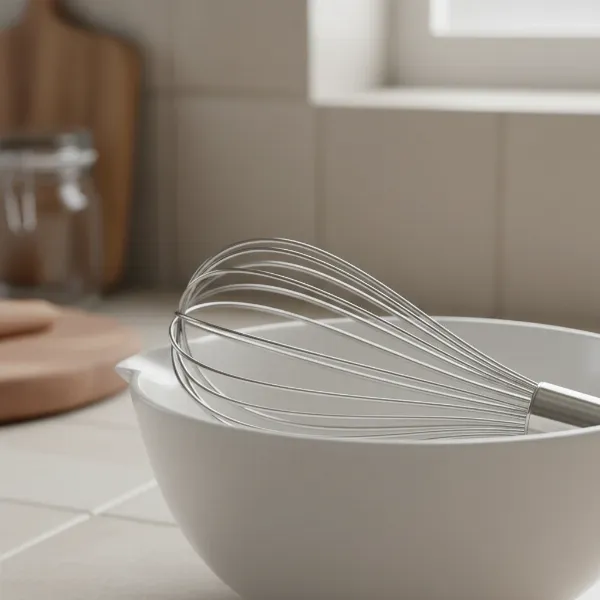 A modern stainless steel balloon whisk gently resting in a ceramic mixing bowl, illustrating its presence in the kitchen.
Categorizing Whisks by Their Culinary Purpose
The world of whisks is surprisingly specialized, with different designs excelling at different tasks. Knowing which whisk to use can dramatically improve your results and make your cooking process more efficient.
Whisks for Whipping Eggs and Cream
Table is empty.For tasks that demand maximum aeration, such as whipping egg whites into stiff peaks for meringue or transforming heavy cream into fluffy deliciousness, a balloon whisk is your best friend. Its wide, rounded shape and numerous flexible wires are designed to incorporate as much air as possible into mixtures, creating volume and lightness. The more air you can introduce, the lighter and fluffier your end product will be, making it indispensable for delicate desserts and breakfast staples.
Whisks for Mixing Batters and Dry Ingredients
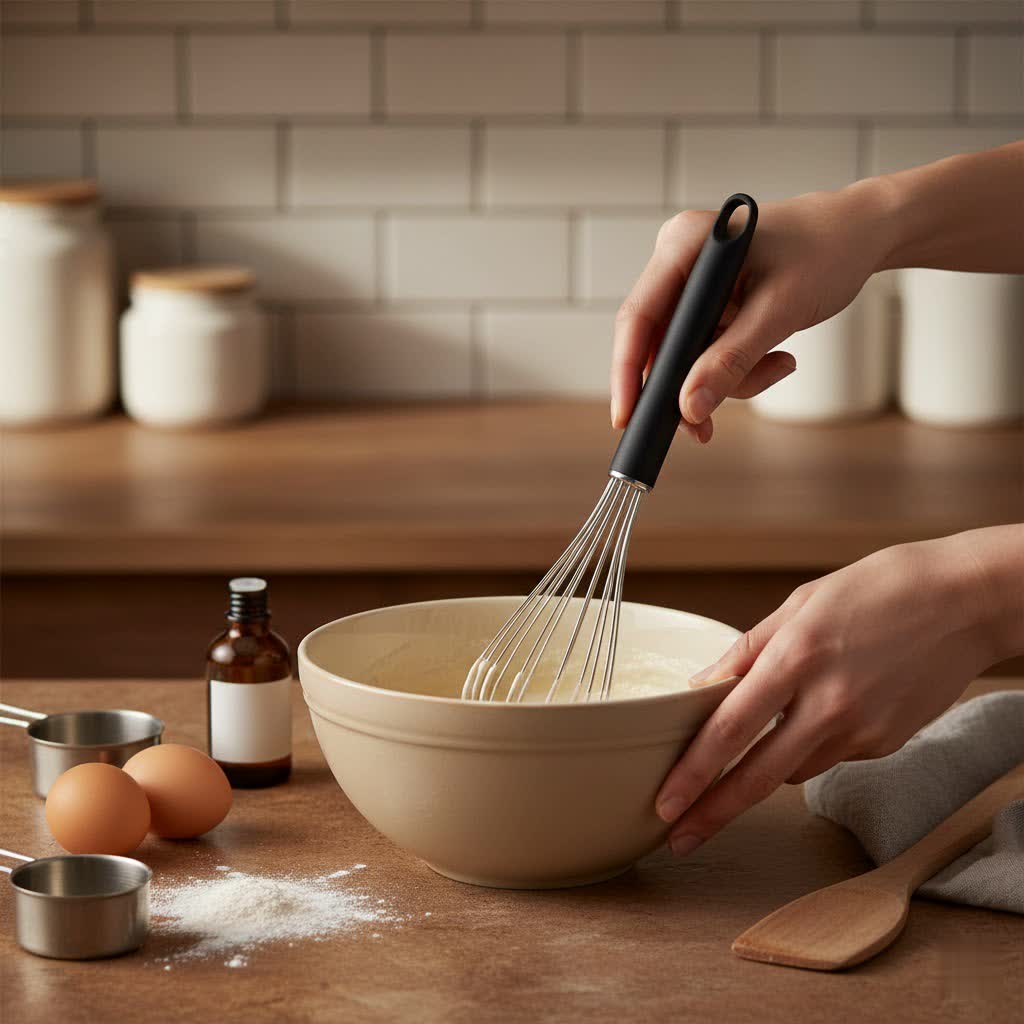
When it comes to combining dry ingredients like flour, sugar, and baking powder, or integrating them into wet batters, a more robust whisk is often preferred. A French whisk or even a sturdy balloon whisk with thicker wires can handle the denser consistency of cake or pancake batters without deforming. These whisks efficiently break up clumps and ensure all ingredients are evenly distributed, leading to a consistent texture in your baked goods. For very thick mixtures, sometimes a Danish dough whisk, with its unique open coil design, is an even better choice, minimizing gluten development while still effectively combining ingredients.
Whisks for Sauces and Soups
Crafting silky-smooth sauces, gravies, or creamy soups requires a whisk that can reach into the corners of your saucepan and prevent lumps from forming. The French whisk, with its longer, narrower profile, is perfectly suited for this. Its design allows for constant agitation across the bottom and sides of the pot, ensuring even cooking and preventing scorching. A flat whisk (or roux whisk) is another excellent option, specifically designed to scrape the bottom of flat-bottomed pans, making it indispensable for roux-based sauces and gravies.
Specialty Whisks for Unique Tasks
Beyond the common varieties, specialized whisks cater to niche culinary needs. Mini whisks are perfect for small tasks, like whisking a single egg in a mug or mixing dressings in a small bowl. For enthusiasts of Japanese tea ceremonies, the chasen, a bamboo matcha whisk, is a delicate tool carved from a single piece of bamboo, essential for achieving the perfect frothy matcha. Each specialty whisk underscores the idea that the right tool for the job can elevate your culinary experience.
The Crucial Reasons to Stop Banging Your Whisk on the Bowl
The habit of tapping your whisk on the bowl might seem like a quick way to clean it, but it’s a practice fraught with potential harm for both your utensils and your cookware.
Risk of Damage to Your Whisk
Repeatedly banging your whisk against a hard surface, such as the rim of a mixing bowl, puts undue stress on its structure. For standard wire whisks, this can lead to the bending or even dislodging of individual wires. Once a whisk’s wires are bent out of shape, its effectiveness in aerating and blending is significantly reduced. The uniform spacing and flexibility of the wires are crucial for its function, and damage compromises this. Furthermore, if your whisk or stand mixer attachment has a protective coating, such as the white enamel on some KitchenAid beaters, banging can cause this coating to chip off. This not only looks unsightly but can also expose the underlying metal to corrosion and potentially introduce small flecks of coating into your food. Over time, the constant impact can also weaken the joints where the wires connect to the handle, leading to premature breakage.
Protecting Your Precious Bowls
Your mixing bowls are just as vulnerable, if not more so, to the impact of a banging whisk. Whether you’re using elegant ceramic, versatile glass, or sturdy stainless steel, repeated striking can inflict significant damage. Ceramic and glass bowls are particularly susceptible to chipping, cracking, or even shattering from sharp impacts. Even a small chip can compromise the integrity of the bowl, making it unsafe to use and a breeding ground for bacteria. While stainless steel bowls are more durable, they are not impervious; banging can lead to scratches and dents, diminishing their aesthetic appeal and potentially affecting their non-reactive properties over time. For bowls with enamel coatings, such as cast iron or certain stoneware, the impact can cause the enamel to chip away, exposing the underlying material and potentially leading to rusting or further damage.
> “A seemingly innocent tap on the bowl can lead to irreversible damage to your whisk and leave unsightly chips on your favorite mixing ware. It’s a small habit with big consequences.”
Ineffectiveness and Mess
Beyond the physical damage, banging your whisk is also remarkably ineffective at its intended purpose: cleaning. While it might dislodge some larger chunks of batter, it rarely cleans the whisk thoroughly. Instead, it often just transfers food residue from the whisk wires to the rim or exterior of the bowl, creating more mess to clean up later. This action can also cause ingredients to splash out of the bowl, coating your countertops or even yourself. From a hygiene perspective, food residue remaining on the whisk or splattered around the kitchen can become a breeding ground for bacteria if not cleaned promptly and properly. It’s a method that creates more work and potential contamination than it solves.
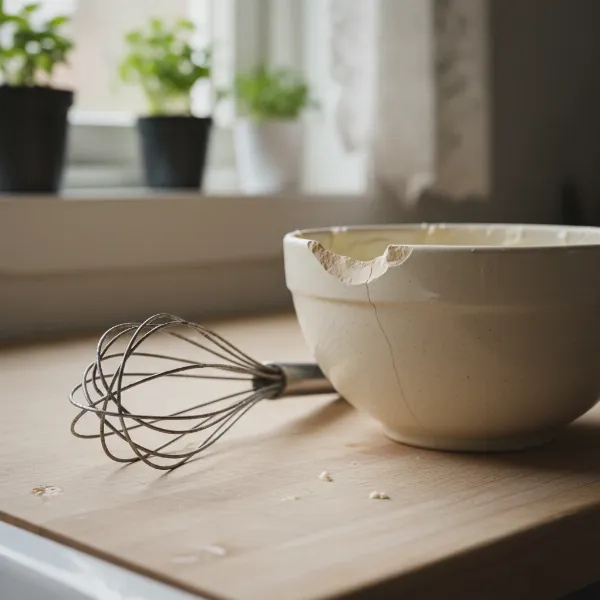 A close-up image showing a bent wire whisk and a chipped ceramic bowl, illustrating damage from improper use.
Key Factors to Consider When Choosing the Right Whisk
Selecting the ideal whisk for your kitchen involves more than just picking the first one you see. Several factors play a crucial role in determining a whisk’s performance, durability, and suitability for your culinary needs.
Material (Stainless Steel, Silicone, Plastic, Bamboo)
The material of your whisk significantly impacts its function and care.
- Stainless steel is the most common choice, known for its durability, rust resistance, and ability to handle high temperatures. It’s excellent for heavy-duty whisking and is often dishwasher- safe.
- Silicone whisks feature wires coated in silicone, making them ideal for non-stick cookware as they won’t scratch delicate surfaces. They are also heat-resistant and easy to clean.
- Plastic whisks are generally less durable and may not withstand high temperatures, but they are lightweight and affordable. They are best for gentle mixing and in situations where metal contact is undesirable.
- Bamboo whisks (like the chasen for matcha) are specialized and require specific, gentle care due to their delicate nature.
Size and Shape
The size and shape of a whisk should match the task and the vessel you’re using. Larger balloon whisks are great for big batches in spacious bowls, while smaller French whisks are perfect for sauces in smaller pots. The length of the handle is also important for comfort and leverage. Consider the depth of your typical mixing bowls and pots to ensure your whisk can reach the bottom effectively without requiring awkward angles.
Handle Comfort and Grip
A comfortable handle is essential for prolonged whisking sessions, preventing hand fatigue. Look for handles that fit well in your hand, offer a good grip, and are made from materials like silicone, wood, or ergonomically shaped plastic. A non-slip handle is particularly beneficial, especially when your hands might be wet or greasy during cooking.
Durability and Ease of Cleaning
Investing in a durable whisk means it will withstand frequent use and last for years. Stainless steel and high-quality silicone whisks typically offer excellent longevity. Ease of cleaning is another major consideration. Whisks with fewer nooks and crannies are simpler to wash by hand, while many modern designs are also dishwasher-safe, adding a layer of convenience. Always check the manufacturer’s care instructions to ensure proper maintenance.
Comparing Popular Whisk Types: A Detailed Look
Understanding the nuances between common whisk types can help you make informed decisions for your kitchen toolkit.
| Whisk Type | Material (Common) | Shape | Primary Use | Pros | Cons |
|---|---|---|---|---|---|
| Balloon Whisk | Stainless Steel, Silicone | Rounded, wide | Whipping eggs, cream, light batters | Excellent aeration, versatile | Less effective in narrow pots, can be flimsy if not high quality |
| French Whisk | Stainless Steel | Elongated, narrow | Sauces, gravies, dressings | Reaches pot corners, good for emulsifying | Less effective for high-volume aeration, can be stiffer |
| Flat Whisk (Roux Whisk) | Stainless Steel, Silicone | Flat, few wires | Scrapping pan bottoms for roux, gravies | Prevents scorching, ideal for shallow pans | Limited aeration capability, less versatile |
Top Whisks: A Curated Selection
While specific product recommendations can vary based on availability and personal preference, here are examples of top-performing whisk types known for their quality and utility.
| Whisk | Pros | Cons | Estimated Price |
|---|---|---|---|
| High-Quality Stainless Steel Balloon Whisk | Durable, excellent aeration, heat-resistant, dishwasher-safe | Can scratch non-stick surfaces, wires can bend with abuse | $15 – $30 |
| Silicone-Coated French Whisk | Non-stick safe, heat-resistant, good for sauces, comfortable grip | Less rigid than pure steel, may not offer maximum aeration | $12 – $25 |
| Danish Dough Whisk | Excellent for thick batters & doughs, prevents over-mixing, easy to clean | Limited use for aeration, less versatile for thin liquids | $10 – $20 |
Your Comprehensive Whisk Buying Guide
Navigating the array of whisks available can be daunting. Follow this guide to make an informed purchase that suits your culinary style.
- Identify Your Specific Needs: Before you buy, consider what you’ll primarily be using the whisk for. Are you a baker who needs to whip egg whites frequently, or a sauce-maker looking for a tool to prevent lumps? Your most common tasks will dictate the ideal whisk type, size, and material.
- Understand Whisk Types: Familiarize yourself with the different whisk designs and their optimal uses, as discussed earlier. A balloon whisk for aeration, a French whisk for sauces, and a flat whisk for scraping pans are good starting points.
- Compare Prices and Quality: While it’s tempting to opt for the cheapest option, a well-made whisk is an investment. High-quality materials and construction ensure durability and better performance. Compare features against price, looking for a balance of value and longevity.
- Read User Reviews: Customer feedback can offer invaluable insights into a whisk’s real-world performance, comfort, and durability. Look for reviews that mention common issues like bent wires, uncomfortable handles, or difficulty cleaning.
- Purchase from Reputable Suppliers: Buying from trusted brands and retailers ensures you’re getting an authentic, quality product and often comes with better customer service and warranty options.
Mastering Whisk Use and Care: Tips for Longevity
To ensure your whisks last for years and perform optimally, adopting proper usage and cleaning habits is crucial. Let go of the banging habit and embrace gentler, more effective methods.
Proper Whisking Techniques
Effective whisking isn’t just about speed; it’s about technique. For aeration, use a rapid circular or figure-eight motion, lifting the whisk slightly out of the mixture to incorporate air. For blending, keep the whisk in contact with the bottom and sides of the bowl to ensure thorough mixing. Varying your motion can help you achieve different consistencies and textures. Always choose a bowl that provides enough room for your whisk to move freely without hitting the sides or bottom too forcefully during normal operation.
Effective and Gentle Cleaning Methods
The best way to clean your whisk without damaging it or your bowls is to address the mess immediately.
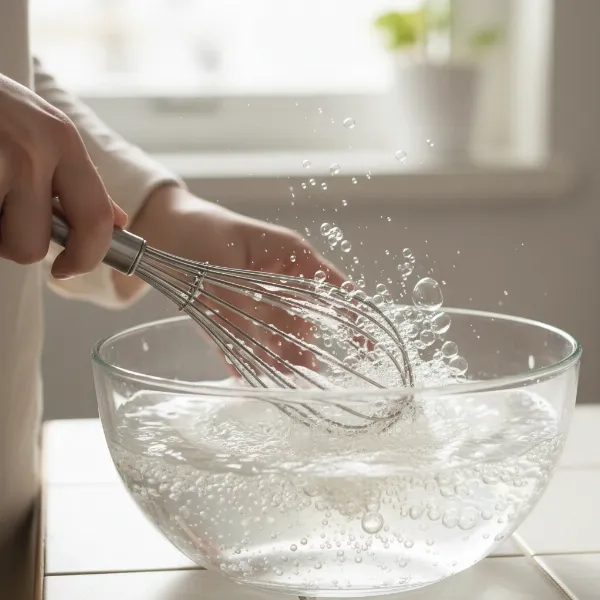
- Swirl in Soapy Water: The most effective method is to fill a bowl with warm, soapy water and whisk it as you would your ingredients. The agitation of the soapy water through the wires will dislodge most food particles. This works best if done right after use, before food dries and hardens.
- Scrape with a Spatula or Fingers: For stubborn batter, use a rubber spatula or your clean fingers to gently scrape off excess from the wires before washing.
- Soak if Needed: If food has dried onto the whisk, a short soak in warm, soapy water can significantly loosen the residue, making it much easier to clean. For heavily soiled whisks, leaving them to soak overnight in a frothy soap solution can work wonders.
- Specific Care for Delicate Whisks: For bamboo matcha whisks (chasen), never use soap. Instead, soak them in hot water before and after use, gently swirl them to rinse, and then place them on a kusenaoshi (whisk holder) to dry and maintain their shape, preventing mold.
Common Whisking Mistakes to Avoid
Beyond banging, other common errors can reduce your whisk’s lifespan or affect your cooking results:
- Using the wrong whisk for the task: Using a delicate balloon whisk for thick doughs can bend its wires.
- Over-whisking: Especially with batters, over-whisking can develop gluten too much, leading to tough baked goods.
- Not cleaning immediately: Allowing food to dry on the whisk makes cleaning much harder and can lead to unsanitary conditions.
- Improper storage: Storing whisks haphazardly in a drawer can bend wires. Consider a utensil crock or hanging them.
Conclusion
The humble whisk is a powerhouse in the kitchen, but like any finely crafted tool, it demands respect and proper care. Abandoning the habit of banging your whisk on the bowl is a small change with significant benefits, preserving the integrity of both your whisks and your mixing bowls for years to come. By understanding the different types of whisks, selecting them wisely, and adopting gentle yet effective cleaning methods, you ensure that this essential utensil remains a reliable partner in all your culinary adventures. So, next time you reach for your whisk, remember its delicate wires and the potential damage lurking in that quick tap. Your kitchenware will thank you. What simple change in your kitchen routine has made the biggest difference in maintaining your tools?
Frequently Asked Questions
Why do some whisks have coated wires?
Whisks with coated wires, typically silicone, are designed to protect your non-stick cookware from scratches and damage. The silicone provides a soft barrier between the metal wires and the delicate surfaces of your pots and pans, while also being heat-resistant.
Can I put my whisk in the dishwasher?
Many modern whisks, especially those made entirely of stainless steel or with heat-resistant silicone components, are dishwasher-safe. However, always check the manufacturer’s instructions. Whisks with wooden handles or very delicate wires, like bamboo matcha whisks, should be hand-washed to prevent damage and extend their lifespan.
How do I get dried batter out of my whisk?
The most effective way to remove dried batter is to soak the whisk in a bowl of warm, soapy water for 15-30 minutes, or even overnight if the batter is very stubborn. The warm water helps to soften and dissolve the dried food, making it much easier to rinse or gently scrub away.