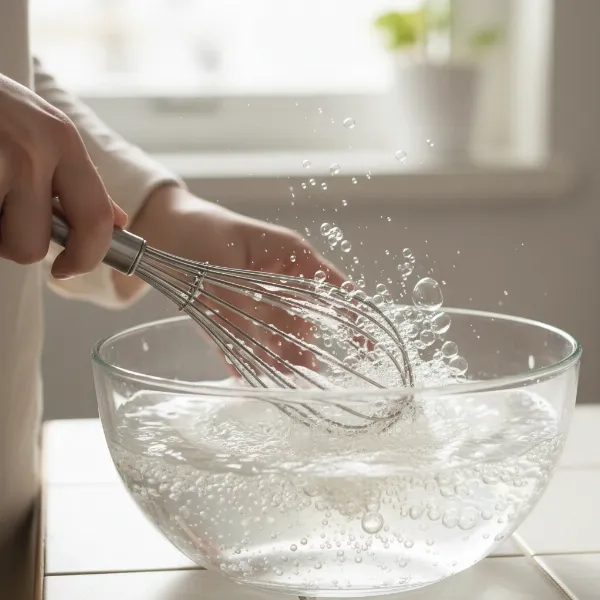
Ever found yourself dodging hot splashes while trying to perfect a silky-smooth sauce or a rich gravy? Whisking hot liquids is a common kitchen task, but it often comes with the unwelcome side effect of splatters, leading to messy countertops and, more importantly, potential burns. As a kitchen technician with over a decade of experience, I know the frustration—and the danger—of uncontrolled hot liquids. This article will guide you through essential safety tips, from selecting the right tools to mastering advanced techniques, ensuring your culinary creations are as safe as they are delicious.
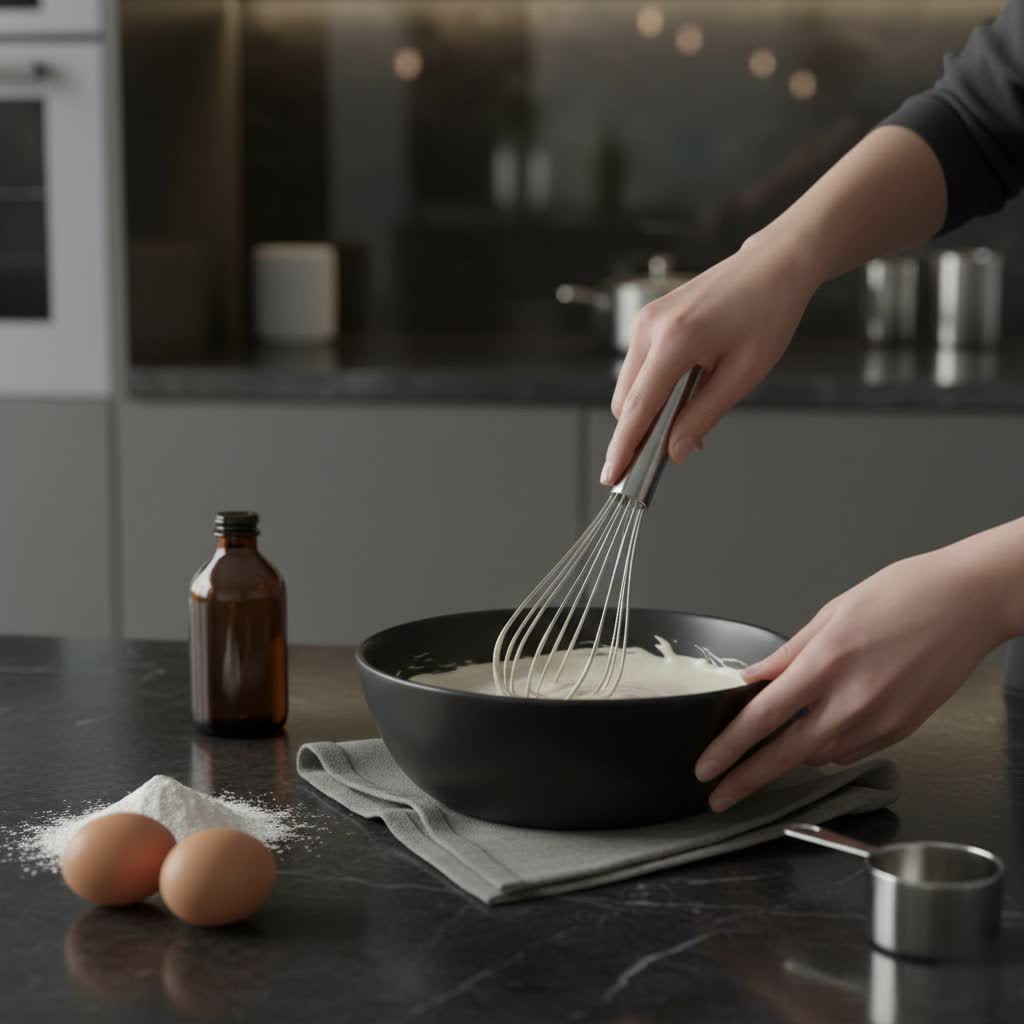
Understanding the Splatter Culprit: Why Hot Liquids Splatter
Hot liquids splatter primarily due to the rapid conversion of moisture into steam when it comes into contact with a hotter surface, or when air is vigorously introduced into a hot mixture. When you whisk, especially at high speeds, you create turbulence that can propel tiny droplets of hot liquid outwards. Additionally, some whisk handles, particularly those made of stainless steel, can rapidly conduct heat from a hot pan or pot, becoming dangerously hot to touch within seconds. Understanding these factors is the first step to mitigating the risk.
Essential Gear for Splatter-Free Whisking
The right tools can make a significant difference in preventing splatters and ensuring your safety. Investing in appropriate equipment can transform a potentially hazardous task into a smooth, controlled process.
Choosing the Right Whisk
- Silicone-Coated Whisks: These are excellent for whisking hot liquids, especially in non-stick or enameled cookware, as they prevent scratching. Their heat-resistant properties also mean you can use them directly in hot pans without worry.
- Flat Whisks: Designed with splayed wires, flat whisks excel at scraping the bottom and corners of pots, preventing sticking and lumps in sauces. This close contact with the pan reduces pockets where liquid might get trapped and then forcefully released.
- Heat-Resistant Handles: Always prioritize whisks with handles made from heat-resistant materials like silicone or thick, insulated plastic. Stainless steel handles can quickly reach unsafe temperatures (over 44°C) when near a hot burner.
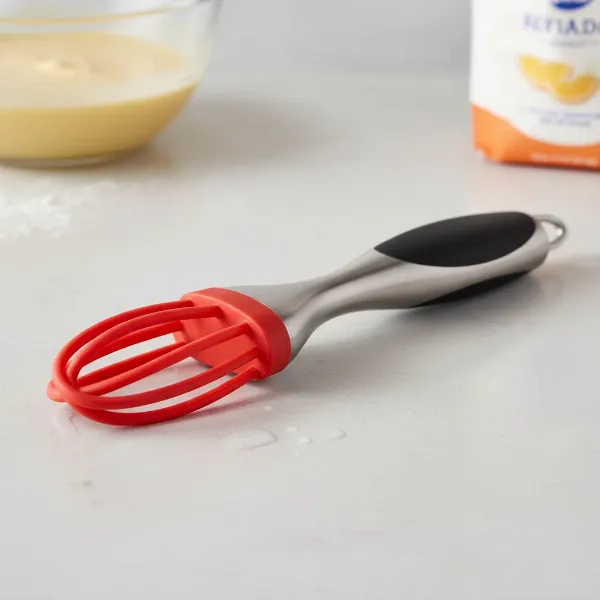 A close-up of a high-quality silicone-coated flat whisk with a comfortable, heat-resistant handle.
Utilizing Protective Cookware
- High-Sided Pots and Bowls: One of the simplest yet most effective ways to contain splatters is to use deeper pots or mixing bowls with higher sides. These act as natural barriers, keeping agitated liquids within the vessel. A good rule of thumb is to fill your pot or bowl no more than two-thirds full when whisking hot liquids.
- Proper Pan Size: Ensure your pan or pot is adequately sized for the volume of liquid you are working with. Overfilling a shallow pan dramatically increases the risk of spills and splatters.
The Power of Splatter Guards
- Splatter Screens: These mesh covers are designed to fit over your pan, allowing steam to escape while containing hot splashes. They are particularly useful when making pan sauces or reducing liquids.
- Tri-Fold Splatter Guards: For stovetop frying or deep-frying, tri-fold aluminum splatter guards can surround three sides of your pan, creating an effective barrier against flying oil.
- DIY Solutions: For electric mixers, a simple chopping board with a handle or even a paper plate with holes cut for the beaters can be placed over the bowl to prevent splashes.
Perfecting Your Whisking Technique for Safety
Beyond the right tools, mastering the art of whisking itself can drastically reduce splatters and increase safety. It’s all about control and understanding the physics of your liquid.
The Controlled Motion
- Elliptical Orbit: Instead of a wild circular or aggressive up-and-down motion, aim for a smooth, controlled elliptical orbit with your whisk. This motion maximizes contact with the liquid while minimizing erratic splashing. It creates a uniform flow, ideal for emulsification and blending without the mess.
- Side-to-Side Whisking: Often recommended by culinary experts, a back-and-forth or side-to-side motion can be highly effective. This technique applies significant shear force to the liquid, efficiently mixing ingredients and emulsifying them quicker, which means less time spent whisking hot liquids.
- Elbow Anchoring and Wrist Pivot: For consistent rhythm and reduced fatigue, anchor your elbow against your ribcage and pivot primarily from your wrist. This isolates the motion, preventing lateral drift and significantly reducing splatter risk.
Keeping it Submerged
Maintain the whisk tines mostly submerged in the liquid. Pulling the whisk out of the liquid too frequently or excessively introduces more air, which can cause increased bubbling and potential splattering, especially with thicker sauces or batters. Keep the motion low and focused.
Mind Your Speed
While it might be tempting to whisk vigorously, excessive speed is a primary cause of splatters. A controlled, steady cadence, around 150 RPM, is often sufficient for achieving desired results without over-agitating the liquid. Slow down when incorporating new ingredients or when working with very hot, thin liquids.
Pre-Whisking Preparations and Kitchen Habits
Preparation is key to a safe and enjoyable cooking experience. A few simple habits can further reduce the risk of accidents when working with hot liquids.
Drying Ingredients (When Applicable)
If your recipe involves whisking liquids that will then be introduced to hot oil (e.g., deglazing a pan for a sauce base), ensure any solid ingredients are as dry as possible. Moisture is the enemy of hot oil, causing violent splatters. A quick pat-down with paper towels can make a big difference.
Personal Protection
Always wear appropriate kitchen attire. Long sleeves can protect your arms from accidental splashes, and heat-resistant oven mitts or gloves are indispensable when handling hot pots, pans, or whisks with potentially hot handles. Don’t underestimate the conductive properties of metal.
Work Area Awareness
Keep your work surface clear of clutter. A clear, organized kitchen reduces the chance of bumping into hot items or tripping, allowing you to focus entirely on the task at hand. Ensure your pot is stable on the burner before you begin whisking.
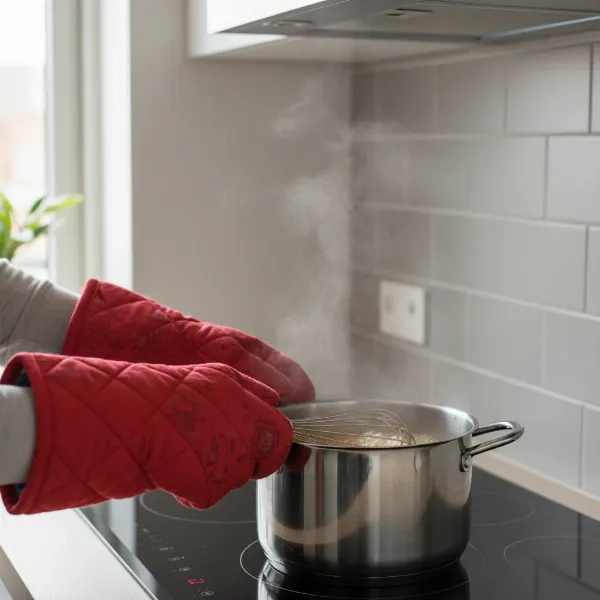 A person wearing oven mitts safely whisking a hot liquid in a high-sided pot on a clean stove.
Top Whisk Recommendations for Hot Liquid Tasks
Choosing the right whisk can significantly enhance safety and efficiency when working with hot liquids. Here’s a brief overview of whisk types best suited for such tasks:
| Whisk Type | Best For | Key Features for Hot Liquids |
|---|---|---|
| Silicone-Coated | Sauces, gravies, custards in non-stick/enameled pans | Heat-resistant, gentle on cookware, reduces noise, less likely to conduct heat through wires. |
| Flat Whisk | Roux, pan sauces, gravies, scraping pan bottoms | Wires reach corners effectively, prevents sticking/burning, minimizes pockets for splatter formation. |
| Ball Whisk | Thicker sauces, general mixing | Individual balls offer good agitation, less prone to liquid getting trapped between wires. |
| French Whisk (thin wires) | Thin sauces, emulsifications | Tapered shape and numerous wires provide efficient mixing with less vigorous movement required. |
Whisking Hot Liquids: A Quick Buying Guide
When you’re ready to purchase a new whisk, especially with hot liquid tasks in mind, consider these key factors:
- Material: Opt for silicone-coated wires and heat-resistant handles (silicone, sturdy plastic). While stainless steel wires are durable, ensure the handle is insulated.
- Size and Shape: Choose a whisk that fits comfortably in your hand and is appropriately sized for your most common pots and bowls. Flat whisks are excellent for shallow pans, while balloon whisks work well in deeper bowls.
- Durability and Cleanability: Look for whisks with sturdy construction where wires are securely attached to the handle. Easy-to-clean designs are a bonus; some whisks can be safely cleaned in the dishwasher, though soaking in cold water first is recommended for egg residue.
- Comfort Grip: An ergonomic, non-slip handle is crucial for maintaining control, especially when your hands might be damp or gloved.
Maintenance and Post-Whisking Safety
Proper care of your whisk not only extends its lifespan but also ensures it’s always ready for safe use.
- Cleaning Your Whisk: For whisks used with egg-based hot liquids, a critical tip is to soak them in cold water with a teaspoon of baking soda for about five minutes before washing. Hot water can coagulate egg proteins, making them harder to remove. After soaking, wash with warm, soapy water or place in the dishwasher if safe.
- Safe Storage: Store whisks in a utensil crock or hang them to prevent the wires from bending or getting damaged. Bent wires can compromise a whisk’s effectiveness and potentially scratch cookware.
- Regular Inspection: Periodically check your whisks for any signs of wear, loose wires, or damaged handles. A compromised whisk should be replaced to ensure safety and optimal performance.
“Safety in the kitchen isn’t just about avoiding cuts; it’s about respecting the heat and understanding your tools. A simple change in whisking technique or equipment can prevent a nasty burn and elevate your cooking confidence.” – Admin, Reviewmula.com
Conclusion
Whisking hot liquids doesn’t have to be a high-risk activity. By embracing the right tools, mastering controlled techniques, and adopting diligent kitchen habits, you can confidently create delicious sauces, gravies, and batters without the fear of splatters or burns. Remember to prioritize heat-resistant equipment, practice a smooth, intentional whisking motion, and always be mindful of your surroundings. Stay safe and happy whisking! What hot liquid creation will you master next with your newfound splatter-prevention prowess?
Frequently Asked Questions
What’s the best whisk motion to avoid splatters with hot liquids?
The “elliptical orbit” or “side-to-side” (back-and-forth) motion is generally recommended for whisking hot liquids. These techniques create efficient shear force for mixing while minimizing aggressive, erratic movements that can propel liquid outwards, helping to keep your kitchen cleaner and you safer.
Can I use a regular stainless steel whisk for hot sauces?
While you can use a stainless steel whisk, it’s generally safer to opt for a silicone-coated whisk, especially for hot sauces in non-stick or enameled pans. Stainless steel handles can rapidly conduct heat, becoming dangerously hot, and metal wires might scratch delicate surfaces. Always use oven mitts if your whisk has a metal handle.
How do high-sided pots help prevent splatters?
High-sided pots and bowls act as physical barriers, containing the agitated hot liquid within their walls. By providing ample vertical space above the liquid’s surface, they significantly reduce the chance of droplets escaping, thus preventing messes and protecting you from potential burns.
Are splatter screens effective for whisking hot liquids?
Yes, splatter screens can be very effective, particularly when simmering or reducing hot liquids that require occasional whisking. They allow steam to escape while capturing most of the rising splatters, offering an added layer of protection for your stovetop and skin.
Why is drying ingredients important before adding them to hot oil for a sauce?
When adding ingredients to hot oil (a common first step for many sauces), any moisture on their surface will rapidly turn to steam upon contact. This sudden expansion creates small explosions, causing hot oil to violently splatter. Drying ingredients helps minimize this dangerous reaction.
What’s the ideal speed for whisking hot liquids without splashing?
A controlled, steady cadence is key. While exact speed varies, aiming for a consistent pace (around 150 revolutions per minute for manual whisking) is more effective than aggressive, high-speed whipping. This allows for efficient mixing without over-agitating the liquid and causing excessive splattering.