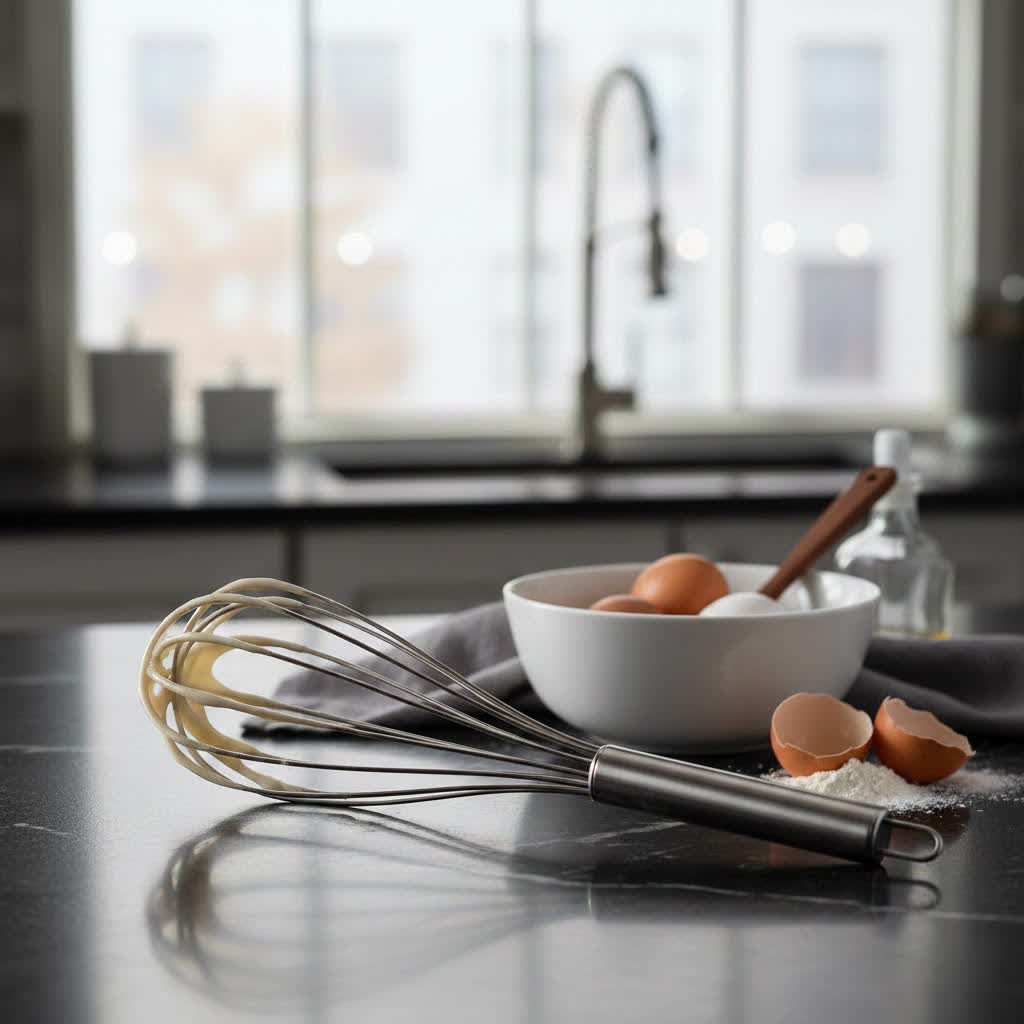
The humble whisk, a seemingly simple tool, holds immense power in the kitchen, transforming liquid into luscious creams and blending ingredients into harmonious concoctions. For decades, home cooks and culinary enthusiasts have relied on this indispensable utensil to elevate their culinary creations. Among the myriad options available, the Tupperware Whisk, often referred to as “The Classic Plastic,” stands out for its unique blend of heritage, practicality, and enduring design. But does this classic plastic wonder still hold its own in today’s diverse kitchen landscape? Join us as we dive deep into a comprehensive review to uncover what makes this Tupperware Whisk a beloved kitchen essential, exploring its design, functionality, and how it measures up for modern cooking needs.
What is a Whisk and Why Do You Need One?
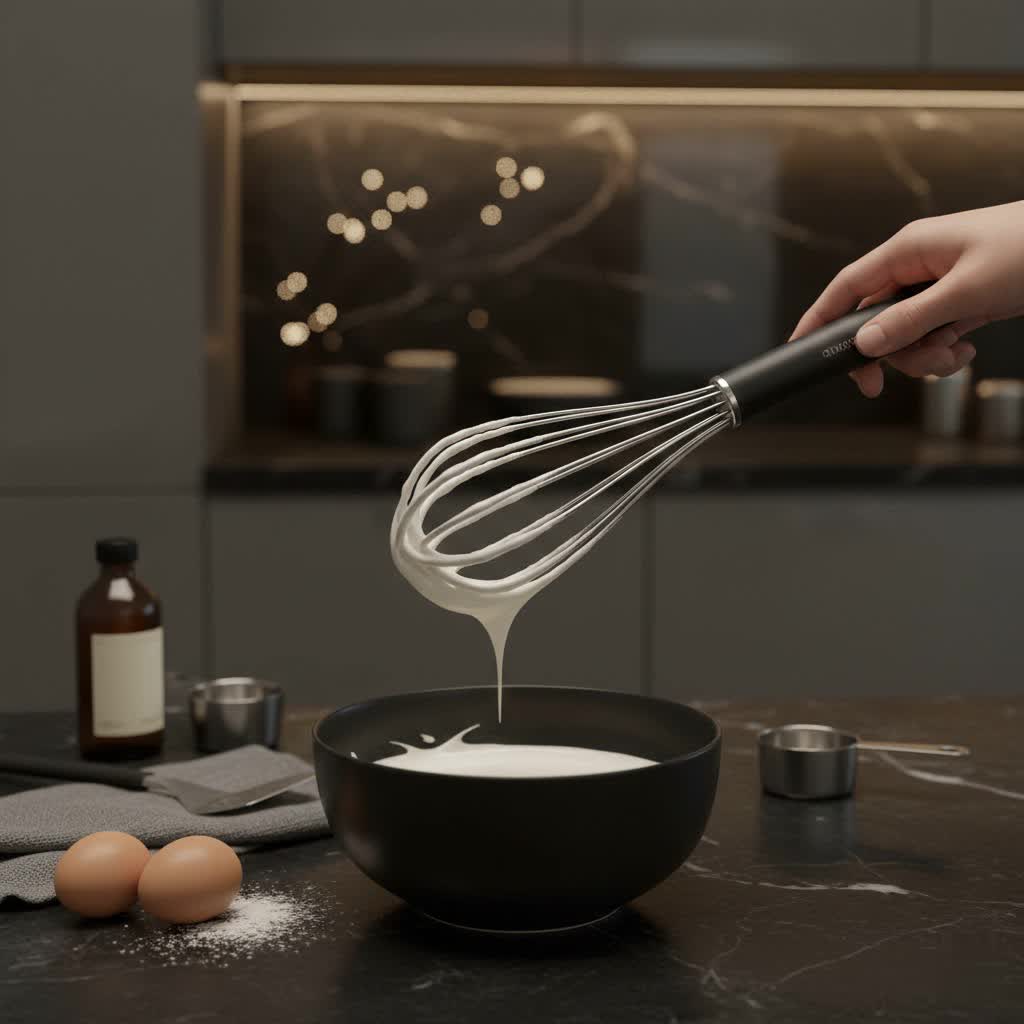
A whisk is a kitchen tool designed to blend ingredients smooth, or to incorporate air into a mixture, a process known as whisking or whipping. This essential action creates volume and changes the texture of various preparations, from fluffy egg whites to airy meringues and smooth sauces. While the core function remains consistent, whisks come in many forms and materials, each suited for different tasks. The Tupperware Whisk carves its niche as a reliable, non-metallic alternative, ensuring versatility without the risk of damaging delicate cookware. Its design, part of Tupperware’s long-standing tradition of practical kitchen solutions, offers a comfortable and efficient experience for a wide range of culinary applications.
Historically, whisks have evolved from simple bundles of twigs to intricate wire designs. The advent of plastic whisks like Tupperware’s introduced a new era of kitchen tools, prioritizing non-scratch properties and ease of maintenance. This evolution reflects a growing need for versatile tools that cater to modern cookware, such as non-stick pots and pans, while still delivering effective mixing performance. The Tupperware Whisk, with its carefully shaped loops and sturdy construction, embodies this blend of tradition and innovation.
The market boasts various types of whisks, including wire whisks (like balloon whisks, French whisks, and flat whisks), silicone whisks, and plastic whisks. Each type offers specific advantages. The Tupperware Whisk, typically crafted from durable, BPA-free plastic, distinguishes itself as a non-metallic option, making it an excellent choice for use with all types of cookware without concern for scratches or marks. Its consistent performance across a variety of tasks solidifies its position as a true kitchen staple.
Classifying Whisks by Purpose
Understanding the different applications for whisks helps appreciate the versatility of a tool like the Tupperware Whisk. While metal whisks might excel at aggressive aeration, the plastic classic holds its own for many everyday tasks.
Whisk for Beating Eggs and Cream
Table is empty.For everyday tasks like beating eggs for omelets or scrambling, or for whipping lighter creams, the Tupperware Whisk performs admirably. Its flexible, yet stiff, loops are designed to incorporate air effectively, contributing to light and fluffy results without overworking the mixture. This makes it a go-to for breakfast preparations or quick dessert toppings. The non-scratch material also ensures your favorite mixing bowls remain pristine.
Whisk for Mixing Batters and Dry Ingredients
When it comes to combining dry ingredients or mixing light batters for pancakes, waffles, or muffins, the Tupperware Whisk proves highly efficient. Its structure prevents clumps and ensures an even distribution of ingredients, contributing to a smooth, uniform consistency. The plastic construction means it’s lightweight, reducing hand fatigue during prolonged mixing sessions, and making it a comfortable choice for bakers.
Whisk for Sauces and Soups
The Tupperware Whisk truly shines in the realm of sauces and soups. Its non-metallic head is ideal for stirring ingredients directly in non-stick pots and pans, preventing scratches while ensuring smooth, lump-free gravies, custards, or melted chocolate. The durable plastic can withstand the heat of simmering liquids, making it a reliable tool for continuous stirring to achieve perfect consistency.
Specialty Whisks for Specific Purposes
While the Tupperware Whisk is a generalist, there are niche applications where specialized whisks might be preferred. For instance, a mini whisk might be better for small cups of dressing, or a flat whisk for deglazing pans. However, for most home cooking, the robust and versatile Tupperware Whisk offers sufficient functionality, minimizing the need for a crowded utensil drawer. It handles everything from emulsifying dressings to preparing puddings with ease.
Factors to Consider When Choosing a Whisk
Selecting the perfect whisk involves more than just aesthetics; it requires evaluating key factors that impact performance, durability, and user comfort. When considering the Tupperware Whisk, these elements become particularly relevant.
Material (Stainless Steel, Silicone, Plastic)
The material of a whisk significantly influences its utility. The Tupperware Whisk is crafted from high-quality, BPA-free plastic, often PBT, Arnitel, and POM. This non-metallic composition is its primary advantage, making it perfectly safe for all cookware, especially non-stick surfaces, where metal whisks could cause damage. While stainless steel whisks offer superior rigidity for heavy-duty tasks, they can scratch delicate coatings. Silicone whisks provide similar non-scratch benefits but can sometimes be too flexible for vigorous whisking. The Tupperware plastic strikes a balance, offering sufficient stiffness for most home cooking needs while protecting your valuable pots and bowls.
Size and Shape
Whisks come in various sizes and shapes, each designed for optimal performance in different contexts. The Tupperware Whisk typically features an open, drop-shaped head with carefully designed loops connected at the tip for extra stiffness and better blending. Its dimensions are usually around 11.8 inches in length with a 2.9-inch diameter head, providing ample reach for larger mixing bowls while remaining manageable. The shape is engineered to match the contours of most containers, ensuring thorough mixing and aeration.
Handle (Comfort, Non-Slip)
A comfortable and secure grip is crucial for a whisk, especially during extended use. The Tupperware Whisk boasts a sturdy handle, ergonomically designed for comfort and a secure hold. Its length and shape are intended to provide excellent leverage and reduce hand fatigue, whether you’re gently stirring a sauce or vigorously whipping egg whites. Many users appreciate the solid feel and balanced weight of the handle, which prevents slipping even with wet or greasy hands. This attention to user comfort underscores Tupperware’s commitment to practical kitchen tool design.
Durability and Cleanability
Durability is a hallmark of Tupperware products, and their whisk is no exception. Constructed from robust plastic, it resists cracking, warping, and bending under normal kitchen use. Unlike metal whisks that can rust over time, the Tupperware Whisk is completely rust-proof, ensuring a long lifespan even with frequent washing. Furthermore, it is dishwasher safe, making cleanup a breeze. Its non-metallic color is also designed to hide stains, maintaining its timeless appearance in any kitchen. This combination of longevity and easy maintenance makes it a highly practical choice for busy households.
Comparing the Tupperware Whisk to Popular Whisk Types
Understanding how the Tupperware Whisk stacks up against its counterparts highlights its unique advantages and limitations. This “classic plastic” offers a distinct profile compared to traditional metal or modern silicone options.
| Whisk Type | Material | Typical Size | Advantages | Disadvantages | Best For |
|---|---|---|---|---|---|
| Tupperware Whisk | BPA-free Plastic (PBT, Arnitel, POM) | ~11.8 inches | Non-scratch, rust-proof, durable, lightweight, ergonomic handle, dishwasher safe, good for light batters & sauces. | Less effective for very stiff mixtures, moderate heat resistance. | Non-stick cookware, light batters, sauces, eggs, creams, everyday mixing. |
| Metal Balloon Whisk | Stainless Steel | 10-12 inches | Excellent aeration, rigid, strong, highly durable. | Can scratch non-stick surfaces, heavier, can rust. | Whipping egg whites/cream, stiff batters, heavy-duty mixing. |
| Silicone Whisk | Silicone over Metal Wires | 10-12 inches | Non-scratch, heat-resistant, flexible, colorful, easy to clean. | Can be too flexible for vigorous whisking, less effective aeration than metal. | Non-stick cookware, light stirring, gentle folding, candy making. |
| French Whisk | Stainless Steel | 10-14 inches | Tapered shape for deeper pots, good for thick sauces & gravies. | Can scratch non-stick, harder to clean due to shape. | Deglazing, making roux, whisking in deep, narrow bowls. |
Tupperware Whisk vs. Metal Balloon Whisk: The primary distinction lies in material. While a metal balloon whisk offers superior stiffness for rapidly incorporating air into egg whites to achieve stiff peaks, the Tupperware Whisk’s plastic construction is invaluable for protecting non-stick coatings. For everyday batters, sauces, and lighter egg mixtures, the Tupperware Whisk provides a reliable, non-damaging alternative.
Tupperware Whisk vs. Silicone Whisk: Both are non-scratch, but the Tupperware plastic whisk often provides a firmer structure than many all-silicone whisks, which can sometimes be overly flexible. This makes the Tupperware option more effective for certain blending tasks while still offering the same non-abrasive benefits. The heat resistance can be comparable, though high-quality silicone might tolerate slightly higher temperatures.
Top Whisks Available Today
Focusing on the realm of non-metallic, durable whisks that excel in home kitchens, the Tupperware Whisk stands as a strong contender. Here’s how it compares to some notable alternatives in its class, focusing on key features relevant to its plastic construction and general utility.
| Whisk | Advantages | Disadvantages | Price Range (Approx.) |
|---|---|---|---|
| Tupperware Whisk | Non-scratch, durable, rust-proof, ergonomic, easy to clean, versatile, BPA-free. | Not ideal for very thick batters or stiff meringues. | $15-$25 |
| OXO Good Grips Nylon Whisk | Sturdy nylon, comfortable non-slip handle, dishwasher safe, good for non-stick. | Some users find it less rigid than desired for certain tasks. | $10-$18 |
| KitchenAid Classic Nylon Whisk | Heat-resistant nylon, durable, aesthetically pleasing, safe for all cookware. | Can be less flexible than some plastic whisks. | $12-$20 |
The Tupperware Whisk consistently receives praise for its robust build and the peace of mind it offers when working with non-stick surfaces. Its thoughtfully designed loops ensure effective mixing for everyday preparations, making it a reliable workhorse. For those seeking a long-lasting, rust-free, and easy-to-clean whisk that won’t harm their cookware, the Tupperware Classic Plastic Whisk remains a top choice. It’s a testament to good design enduring through changing kitchen trends.
Whisk Buying Guide
Choosing the right whisk, especially a plastic one like the Tupperware Classic, involves a few key considerations to ensure it meets your specific culinary needs.
Identify Your Usage Needs
Before purchasing, think about how you’ll primarily use the whisk. Are you often making delicate sauces in non-stick pans? Do you whisk eggs daily? Or do you occasionally whip cream for desserts? If non-stick cookware protection and general-purpose mixing are high priorities, a durable plastic whisk like the Tupperware model is an excellent candidate. If you frequently tackle heavy doughs or need to achieve super-stiff meringues, you might consider supplementing with a dedicated metal whisk, though the Tupperware excels at many lighter aeration tasks.
Understand Different Whisk Types
Familiarize yourself with the core differences between whisk materials and designs. Plastic whisks, like the Tupperware, are non-abrasive and rust-proof. Metal whisks offer maximum rigidity but can scratch. Silicone whisks combine non-scratch properties with heat resistance but can sometimes lack the necessary stiffness for vigorous mixing. The Tupperware Whisk is specifically designed for a wide range of tasks, balancing flexibility with the firmness needed for effective blending and aeration.
Compare Price and Quality
While the Tupperware Whisk might have a slightly higher upfront cost than generic plastic whisks, its renowned durability and long-term performance often justify the investment. Tupperware products are known for their quality materials and construction, leading to a tool that will withstand years of use and countless washes without degrading. Considering its BPA-free composition and design for optimal mixing, it represents excellent value for money over its lifespan.
Read User Reviews
User reviews provide invaluable real-world insights into a product’s performance. For the Tupperware Whisk, many users highlight its comfort, non-scratch capabilities, and ease of cleaning. Look for feedback on how it handles specific tasks relevant to your cooking style, such as whisking eggs, making sauces, or mixing batters. Consistent positive feedback on its durability and effectiveness for everyday use will reinforce your purchasing decision.
Purchase from Reputable Suppliers
To ensure you’re getting an authentic Tupperware Whisk and benefiting from any warranties, always purchase from authorized dealers or the official Tupperware website. This guarantees the quality, material specifications (like being BPA-free), and design integrity that the brand is known for. A genuine Tupperware product offers a level of trust and reliability that generic alternatives may not.
Tips for Using and Maintaining Your Whisk
To maximize the performance and extend the life of your Tupperware Whisk, proper usage and maintenance are key. This classic plastic tool is built for longevity, but a little care goes a long way.
How to Use Your Whisk Effectively
For optimal results, hold the whisk firmly by its ergonomic handle and use a circular or back-and-forth motion, ensuring the whisk’s loops make consistent contact with the bottom and sides of your bowl. This technique is especially effective for incorporating air into egg whites or cream, and for thoroughly blending batters and sauces. The Tupperware Whisk’s design with connected loops helps maintain its shape and efficiency during mixing, providing better blending and aeration.
> “The secret to a smooth sauce or fluffy eggs often lies in the consistent, even motion of your whisk, ensuring every part of the mixture is engaged.” – Chef Elena Petrova, Culinary Instructor specializing in kitchen tools.
When making sauces in hot pans, remember that while the Tupperware Whisk is heat-resistant (some models up to 150°C/302°F), it’s best not to leave it resting on the edge of a hot pan or in direct contact with an open flame. This prevents potential warping or degradation of the plastic, preserving its structural integrity and effectiveness. Its non-metallic head is perfect for stirring in non-stick cookware without worrying about scratches.
Cleaning and Storing for Longevity
One of the great advantages of the Tupperware Whisk is its ease of cleaning. It is completely dishwasher safe, allowing for hassle-free sanitization after use. For handwashing, simply use warm, soapy water and rinse thoroughly. The smooth plastic surface and open design prevent food particles from getting trapped, ensuring hygienic results. The perennial color of Tupperware kitchen tools is also designed to hide stains, keeping your whisk looking new for longer.
To store your whisk, utilize the convenient hanging hole on the handle to keep it accessible and prevent it from getting tangled with other utensils in a drawer. Storing it properly also prevents accidental damage to the whisk head, ensuring its loops remain perfectly shaped for optimal performance every time you reach for it. As the whisk never rusts, you don’t have to worry about moisture or prolonged storage in a humid environment.
Common Whisking Mistakes and Solutions
A common mistake is using the wrong size whisk for the bowl, which can lead to inefficient mixing and spills. Ensure your whisk’s head can comfortably reach all edges of your mixing vessel. Another error is not whisking vigorously enough when aeration is desired, resulting in flat mixtures. The Tupperware Whisk’s sturdy design encourages effective whisking, but remember that for very stiff mixtures, you might need extra effort or consider a more rigid metal whisk. For sauces, continuous stirring with the plastic whisk prevents sticking and ensures a smooth, emulsified texture, avoiding lumps.
Conclusion
The Tupperware Whisk, often celebrated as “The Classic Plastic,” has earned its place as an indispensable kitchen tool through decades of reliable performance. Its durable, BPA-free plastic construction offers the invaluable benefit of protecting all types of cookware, especially non-stick surfaces, from scratches and marks. From whipping light, fluffy eggs and creams to blending smooth sauces and batters, its carefully designed loops and ergonomic handle ensure comfortable and efficient mixing. Being rust-proof and dishwasher safe, it combines longevity with effortless maintenance, making it a highly practical choice for any home cook.
While it may not tackle the heaviest batters with the same brute force as a rigid metal whisk, the Tupperware Whisk excels in versatility and gentleness, proving its worth as a consistent, trustworthy companion in the kitchen. For those seeking a long-lasting, easy-to-clean, and non-damaging whisk that reliably handles a wide array of everyday culinary tasks, the Tupperware Classic Plastic Whisk remains a smart and enduring investment. What culinary creation will you whip up next with this timeless kitchen essential?
Frequently Asked Questions
Is the Tupperware Whisk safe for non-stick pans?
Yes, the Tupperware Whisk is specifically designed with a non-metallic, durable plastic construction that makes it entirely safe for use with all types of cookware, including delicate non-stick surfaces. It will not scratch or damage your valuable pots and pans.
What is the Tupperware Whisk made of?
The Tupperware Whisk is typically made from high-quality, BPA-free plastics such as PBT, Arnitel, and POM. This composition ensures its durability, flexibility, and non-scratch properties while being food-safe.
Can the Tupperware Whisk be used in hot liquids?
The Tupperware Whisk is heat-resistant, with some models tolerating temperatures up to 150°C (302°F). It’s suitable for stirring hot sauces and soups, but it’s recommended to avoid leaving it in a hot pan for extended periods or in direct contact with open flames.
How do I clean and store my Tupperware Whisk?
The Tupperware Whisk is dishwasher safe for easy cleaning. For storage, it features a convenient hanging hole on the handle. Its rust-proof nature means it can be stored without concern for corrosion, ensuring it remains hygienic and ready for its next use.
Is the Tupperware Whisk effective for whipping egg whites?
While it may require a bit more effort than a very rigid metal whisk, the Tupperware Whisk is effective for whipping egg whites and cream due to its carefully shaped loops that are designed to incorporate air. It’s excellent for achieving light and fluffy textures for most home cooking needs.