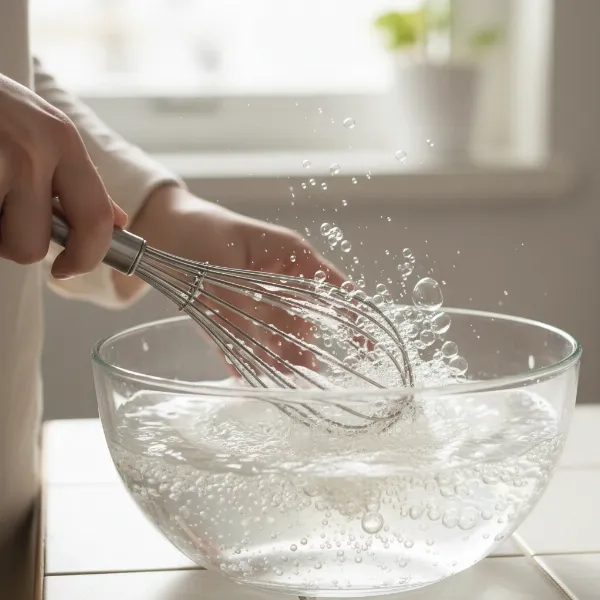
In the bustling world of kitchen tools, a whisk often goes unnoticed, yet its role is undeniably pivotal in crafting culinary masterpieces. From effortlessly light meringues to perfectly smooth sauces, the right whisk can transform your cooking experience. Today, we’re diving deep into the Sabatier Professional Stainless Steel Whisk, a tool designed to bring precision and durability to your culinary endeavors. As an Admin with over a decade of experience reviewing kitchenware, I understand the nuances that make a whisk truly stand out, and the Sabatier Professional aims to hit all the right notes for both home cooks and seasoned chefs.
What is a Whisk and Why Do You Need One?
At its core, a whisk is a kitchen utensil consisting of a series of loops or wires fixed to a handle, primarily used to blend ingredients smooth, or to incorporate air into a mixture in a process known as whisking or whipping. Its primary function is to combine, aerate, and emulsify, preventing lumps and creating desirable textures.
The history of the whisk traces back centuries, with early versions made from bundles of twigs or thin branches. Over time, materials evolved to coiled wire and eventually to the sophisticated stainless steel designs we see today. Owning a high-quality whisk is not merely about convenience; it’s about achieving consistency and control in your cooking, making it an indispensable tool for countless recipes.
The market offers a variety of whisks, each designed for specific tasks. The most common types include:
- Balloon Whisk: Characterized by its wide, round shape, ideal for incorporating air into light mixtures like egg whites and cream.
- French Whisk: Longer and narrower than a balloon whisk, perfect for reaching into the corners of pots and pans for emulsifying sauces and gravies.
- Flat Whisk (Roux Whisk): Designed with flattened wires, excellent for scraping the bottom of pans to prevent scorching and ensure even cooking, especially for roux and pan gravies.
- Wire Whisk: A general term often encompassing balloon and French styles, referring to whisks made with multiple flexible wires.
- Dough Whisk: A specialized whisk with thick, rigid loops, used for mixing heavy doughs with minimal effort.
Classifying Whisks by Intended Use
Choosing the right whisk depends heavily on the culinary task at hand. Each design boasts unique characteristics optimized for different ingredients and desired outcomes.
Whisks for Whipping Eggs and Cream
Table is empty.For tasks requiring significant aeration, such as whipping egg whites into stiff peaks for meringues or transforming heavy cream into a fluffy topping, a balloon whisk is your best friend. Its broad, rounded shape allows it to maximize contact with the mixture, incorporating a substantial amount of air quickly and efficiently. The flexibility of its wires is key to creating that airy volume.
Whisks for Mixing Batters and Dry Ingredients
When tackling thicker concoctions like pancake batter, cake mixes, or even stirring dry ingredients together, a more robust whisk is often preferred. While a sturdy balloon whisk can certainly handle the job, some cooks might opt for a French whisk or a heavier-duty wire whisk. These whisks often feature slightly stiffer wires and a more elongated shape, providing the necessary strength to cut through dense mixtures and ensure thorough blending without over-aeration.
Whisks for Crafting Sauces and Soups
Achieving a silky-smooth sauce or a lump-free soup demands precision. For these applications, the French whisk truly shines. Its narrower profile and elongated wires allow it to effectively reach into the curved edges of pots and pans, ensuring every last bit of ingredient is incorporated and preventing sticking or scorching. Similarly, a flat whisk is exceptional for developing roux, gravies, and thin batters, expertly scraping the bottom surface to create a uniform consistency.
Specialty Whisks for Unique Culinary Needs
Beyond the everyday, specialty whisks cater to niche requirements. A mini whisk, for instance, is perfect for whisking single eggs, salad dressings in small bowls, or mixing spices. For bread bakers, a Danish dough whisk (though not strictly a traditional whisk in appearance) is invaluable for gently yet thoroughly combining sticky, heavy doughs, preventing over-development of gluten.
“The magic of a whisk lies in its ability to transform raw ingredients into something extraordinary. Understanding its various forms is the first step to mastering your culinary creations.”
Key Factors When Choosing a Whisk
Selecting the perfect whisk involves considering several critical aspects to ensure it meets your specific cooking needs and stands the test of time.
Material (Stainless Steel, Silicone, Plastic)
The material of your whisk significantly impacts its performance, durability, and suitability for different types of cookware.
- Stainless Steel: The gold standard for whisks, offering exceptional durability, rust resistance, and hygiene. Stainless steel whisks are robust enough for heavy-duty tasks and won’t scratch most metal bowls. However, they can potentially scratch non-stick coatings if used aggressively. The Sabatier Professional Stainless Steel Whisk exemplifies the benefits of this material.
- Silicone: Whisks with silicone-coated wires are an excellent choice for protecting non-stick pots and pans from scratches. They are heat-resistant and generally easy to clean. However, silicone can be less rigid than stainless steel, potentially offering less efficiency for very thick mixtures.
- Plastic: While inexpensive and safe for non-stick surfaces, plastic whisks are generally less durable and may not withstand high heat. They are best suited for light, infrequent use.
Size and Shape
The dimensions and form of a whisk directly influence its functionality.
- Size: Larger whisks (10-14 inches) are ideal for mixing substantial batches in large bowls, providing greater leverage and coverage. Smaller whisks (6-8 inches) are perfect for smaller quantities, such as a single egg or vinaigrette, offering precision and control in confined spaces.
- Shape: As discussed, balloon shapes excel at aeration, French whisks at reaching corners and emulsifying, and flat whisks at scraping flat surfaces. Consider the types of dishes you prepare most frequently.
Handle (Comfortable, Anti-Slip)
A comfortable and secure handle is paramount for prolonged whisking tasks, reducing hand fatigue and enhancing control.
- All-Stainless Steel Handles: Offer a sleek, hygienic, and highly durable option. They are easy to clean and often preferred for their professional aesthetic. While generally comfortable, some designs may benefit from a more ergonomic shape.
- Soft Grip Handles: Often made from silicone or rubber, these handles provide enhanced comfort and a non-slip grip, particularly useful when hands are wet or greasy. Some Sabatier Professional whisk variations incorporate this feature for added user comfort.
Durability and Ease of Cleaning
A good whisk should be built to last and simple to maintain.
- Durability: High-quality construction, like that found in stainless steel whisks with securely attached wires, ensures the tool can withstand regular use without bending or breaking. A long manufacturer’s guarantee, such as the 25-year guarantee offered with the Sabatier Professional, speaks volumes about a product’s expected lifespan.
- Cleaning: Dishwasher-safe designs greatly simplify cleanup. Stainless steel is inherently non-porous and resistant to food stains and odors, making it very hygienic. Whisks with intricate wire designs or poorly sealed handles might trap food particles, requiring more diligent hand washing.
Comparing Popular Whisk Types on the Market
To help you make an informed decision, let’s look at how common whisk types stack up against each other:
| Whisk Type | Material Example | Pros | Cons | Best Use Case |
|---|---|---|---|---|
| Balloon Whisk | Stainless Steel, Silicone | Excellent for aeration, versatile | Can be bulky for small tasks | Whipping eggs, cream, light batters, meringues |
| French Whisk | Stainless Steel | Narrower for better contact, good for scraping | Less efficient for aeration than balloon | Sauces, gravies, emulsifications, thick batters in small pots |
| Flat Whisk (Roux Whisk) | Stainless Steel, Silicone | Ideal for scraping flat surfaces, lump-free | Limited aeration capability | Roux, pan gravies, thin batters, scraping bottom of pans |
| Dough Whisk | Stainless Steel, Wood Handle | Mixes heavy, sticky doughs without overworking | Single-purpose, not suitable for light mixtures | Sourdough, artisan bread, cookie dough |
| Sabatier Professional Stainless Steel Whisk | Stainless Steel | Robust, ergonomic, 8 durable wires, 25-year guarantee, dishwasher safe | All-steel handle may transfer heat when used over stove for extended periods | Versatile for whipping, blending, beating eggs, batters, sauces |
Sabatier Professional Stainless Steel Whisk: An In-Depth Review
The Sabatier Professional Stainless Steel Whisk is a testament to the brand’s commitment to quality kitchen tools. This particular whisk often comes in a French-style design, typically available in sizes like 30cm or 35cm, making it a versatile choice for a range of cooking applications. There are also variations, such as a 28cm model with a soft-grip handle, offering different ergonomic preferences.
Key Features:
- Eight Durable Wires: The whisk boasts a robust eight-wire construction, providing excellent stiffness and flexibility for efficient mixing and blending.
- All-Stainless Steel Construction: Crafted entirely from high-grade stainless steel, this whisk offers exceptional durability, resistance to rust and corrosion, and a professional aesthetic.
- Ergonomic Handle: Whether you choose the all-stainless steel version or the “soft grip” variant, the handle is designed for comfort, ensuring a secure and controlled grip during prolonged use. The all-stainless steel handle is sleek and hygienic.
- Dishwasher Safe: Simplifying cleanup, the Sabatier Professional whisk is completely dishwasher safe.
- 25-Year Manufacturer’s Guarantee: This impressive guarantee underscores Sabatier’s confidence in the enduring quality and craftsmanship of their product, providing long-term peace of mind.
Performance:
In practical use, the Sabatier Professional Stainless Steel Whisk excels at various tasks. Its durable wires effortlessly handle everything from whipping up fluffy eggs and cream to blending thicker batters and emulsifying smooth sauces. The construction allows for precise whisking, granting the user excellent control over the mixture. It performs reliably for both light and more challenging mixing tasks.
Pros:
- Precision and Robustness: The eight durable wires ensure efficient and precise mixing, tackling even challenging tasks with ease.
- Comfortable Grip: The ergonomic design of the handle (whether all-steel or soft-grip) provides a secure and comfortable hold, reducing strain during extended use.
- Easy to Clean: Being dishwasher safe makes post-cooking cleanup a breeze.
- Exceptional Durability: The high-grade stainless steel construction and a 25-year guarantee promise a long-lasting kitchen companion.
- Versatile: Its design makes it suitable for a wide array of whisking, blending, and beating needs.
Cons:
- Heat Transfer (All-Steel Model): While highly durable, the all-stainless steel handle can conduct heat if the whisk is left in a hot pan or used over high heat for extended periods, requiring caution or a pot holder.
- Weight: Some users might find a heavy-duty, all-stainless steel whisk slightly heavier than lighter plastic or silicone-handled alternatives, which could be a factor during very long whisking sessions.
Ideal Uses:
This whisk is a true all-rounder, perfect for everyday tasks such as:
- Whipping eggs for omelets, scrambles, or baking.
- Creating light and airy whipped cream or meringue.
- Blending smooth pancake or waffle batters.
- Emulsifying homemade salad dressings and vinaigrettes.
- Stirring sauces and gravies directly in the pan to prevent lumps.
Price Reference:
The Sabatier Professional Stainless Steel Whisk typically ranges from approximately £4.99 to £25.00, depending on the retailer, size, and specific model (e.g., soft grip vs. all-steel), making it an accessible premium option.
Top Whisks on the Market Today
While the Sabatier Professional stands as a robust contender, it’s beneficial to compare it with other highly-rated whisks to illustrate its position in the market. Here’s a brief overview of some top whisks currently available:
| Whisk | Pros | Cons | Estimated Price (USD) |
|---|---|---|---|
| Sabatier Professional Stainless Steel Whisk | Durable, ergonomic, 25-year guarantee, versatile, dishwasher safe | All-steel handle can heat up, potentially heavier | $15 – $25 |
| OXO Good Grips Balloon Whisk | Comfortable non-slip handle, versatile, works on thick/thin batters | Handle can melt if exposed to high heat (plastic/silicone) | $11 – $18 |
| Winco Piano Wire Whip | Heavy-duty, durable stainless steel, excellent value | Stiffer wires, less aeration for light mixes, intricate to clean base | $9 – $13 |
| GIR Premium Stainless Steel Whisk | Incredibly comfortable, secure grip, very efficient for aeration | Geometric grip might not appeal to everyone | $12 – $18 |
How to Buy the Perfect Whisk (Buying Guide)
Choosing the right whisk is a personal journey, influenced by your cooking habits and preferences. Follow this guide to find your ideal kitchen companion:
- Determine Your Primary Needs: Are you frequently whipping cream, making delicate sauces, or stirring thick batters? Your most common tasks will dictate the best whisk type for you. A versatile French-style whisk like the Sabatier Professional is a great starting point for diverse needs.
- Understand Whisk Types: Familiarize yourself with balloon, French, flat, and specialty whisks. Knowing their strengths and weaknesses will help you narrow down your choices.
- Consider Material: Stainless steel offers durability and hygiene, while silicone protects non-stick cookware. Weigh these factors against your existing kitchenware.
- Evaluate Size and Handle Comfort: A whisk should feel balanced and comfortable in your hand. Test different sizes to find one that matches your bowls and your grip style. An ergonomic handle is crucial for extended whisking sessions.
- Prioritize Durability and Cleaning: Look for sturdy construction and check if it’s dishwasher safe. A long warranty, like Sabatier’s 25-year guarantee, is a strong indicator of quality.
- Read User Reviews: Gain insights from other home cooks and professionals. Their experiences can highlight practical pros and cons not immediately apparent from product descriptions.
- Shop from Reputable Retailers: Purchase from trusted stores or online platforms to ensure you receive an authentic product with proper customer support and warranty.
Tips for Using and Maintaining Your Whisk
To maximize the performance and lifespan of your Sabatier Professional Stainless Steel Whisk, proper usage and maintenance are essential.
How to Use Your Whisk Effectively
- Angle Matters: When whipping eggs or cream, hold the whisk at a slight angle to the bowl, allowing more wires to incorporate air.
- Circular vs. Figure-Eight: For aeration, rapid circular motions are generally effective. For blending thick batters or scraping the bottom of a pan, a figure-eight motion or back-and-forth stirring ensures thorough mixing.
- Bowl Size: Pair your whisk with an appropriately sized bowl. Too large a whisk in a small bowl causes splashes, while too small a whisk in a large bowl struggles to make full contact.
- Controlled Power: While whisks are robust, avoid excessive force that could bend wires or damage delicate bowl surfaces.
Cleaning and Storage to Extend Longevity
- Immediate Rinse: After each use, rinse your whisk immediately with warm water to prevent food from drying and sticking to the wires. This makes subsequent cleaning much easier.
- Dishwasher Safe: The Sabatier Professional Stainless Steel Whisk is dishwasher safe, offering convenient cleaning. Place it in the utensil basket with the wires pointing upwards to ensure thorough cleaning.
- Hand Washing (If Needed): For any stubborn bits, a brush can help clean between the wires. Ensure all food particles are removed to maintain hygiene.
- Thorough Drying: Always dry your whisk completely before storing to prevent water spots and minimize any risk of corrosion, although stainless steel is highly resistant.
- Proper Storage: Hang your whisk on a utensil rack or store it in a drawer where its wires won’t get bent or tangled with other tools.
Common Whisking Mistakes and How to Fix Them
- Using the Wrong Whisk: Attempting to aerate with a flat whisk or scrape a pot with a delicate balloon whisk can lead to poor results. Match the whisk to the task.
- Over-whisking: While aeration is key, over-whisking can lead to dense batters or curdled creams. Pay attention to texture and stop when the desired consistency is achieved.
- Ignoring the Bottom of the Bowl/Pan: Lumps often form at the base. Ensure your whisk makes full contact with the bottom and sides to incorporate all ingredients evenly.
Conclusion
The Sabatier Professional Stainless Steel Whisk is more than just a kitchen tool; it’s an investment in culinary efficiency and quality. Its robust all-stainless steel construction, eight durable wires, ergonomic design, and reassuring 25-year guarantee make it an outstanding choice for anyone seeking reliability and precision in their kitchen. Whether you’re a passionate home baker or a professional chef, this whisk offers the performance and longevity you need to tackle a wide range of tasks, from delicate aeration to vigorous blending.
Investing in a quality whisk like the Sabatier Professional enhances your cooking capabilities and brings joy back to fundamental kitchen processes. Isn’t it time your kitchen tools reflected your culinary passion?
Frequently Asked Questions
Is stainless steel the best material for whisks?
Stainless steel is widely considered one of the best materials for whisks due to its durability, rust resistance, hygienic properties, and ability to handle various mixing tasks efficiently. While silicone-coated whisks are better for non-stick cookware, stainless steel offers superior rigidity and longevity for general use.
What’s the difference between a French whisk and a balloon whisk?
A French whisk has a narrower, more elongated shape with typically stiffer wires, making it ideal for reaching into deep pots and for tasks like emulsifying sauces and gravies. In contrast, a balloon whisk is wider and more rounded with flexible wires, designed to incorporate maximum air into mixtures such as egg whites and cream for aeration.
How do I clean a whisk effectively?
For effective cleaning, rinse your whisk immediately after use to prevent food from drying. The Sabatier Professional Stainless Steel Whisk is dishwasher safe, making cleanup convenient. For stubborn food particles, use a small brush to get between the wires. Always ensure it’s thoroughly dry before storage to maintain its condition.
Why is my whisk not aerating properly?
If your whisk isn’t aerating properly, several factors could be at play: you might be using a whisk not designed for aeration (like a flat whisk), your technique might not be vigorous enough, or your ingredients (like egg whites) might contain traces of fat, which inhibit aeration. Ensure your bowl and whisk are impeccably clean and grease-free for best results.
How long should a good whisk last?
A good quality whisk, especially one made from durable materials like stainless steel, should last for many years, even decades, with proper care. The Sabatier Professional Stainless Steel Whisk, for instance, comes with a 25-year manufacturer’s guarantee, reflecting its expected long lifespan and robust construction.