Every home chef and seasoned professional understands the pivotal role a quality whisk plays in the kitchen. It’s not just about mixing; it’s about incorporating air, emulsifying sauces, and achieving the perfect texture in everything from fluffy meringues to rich gravies. For those who demand precision, durability, and a professional edge, the Mercer Culinary Piano Whisk emerges as a standout performer, promising to transform your mixing tasks and elevate your culinary creations.
What is a Whisk and Why Do You Need One?
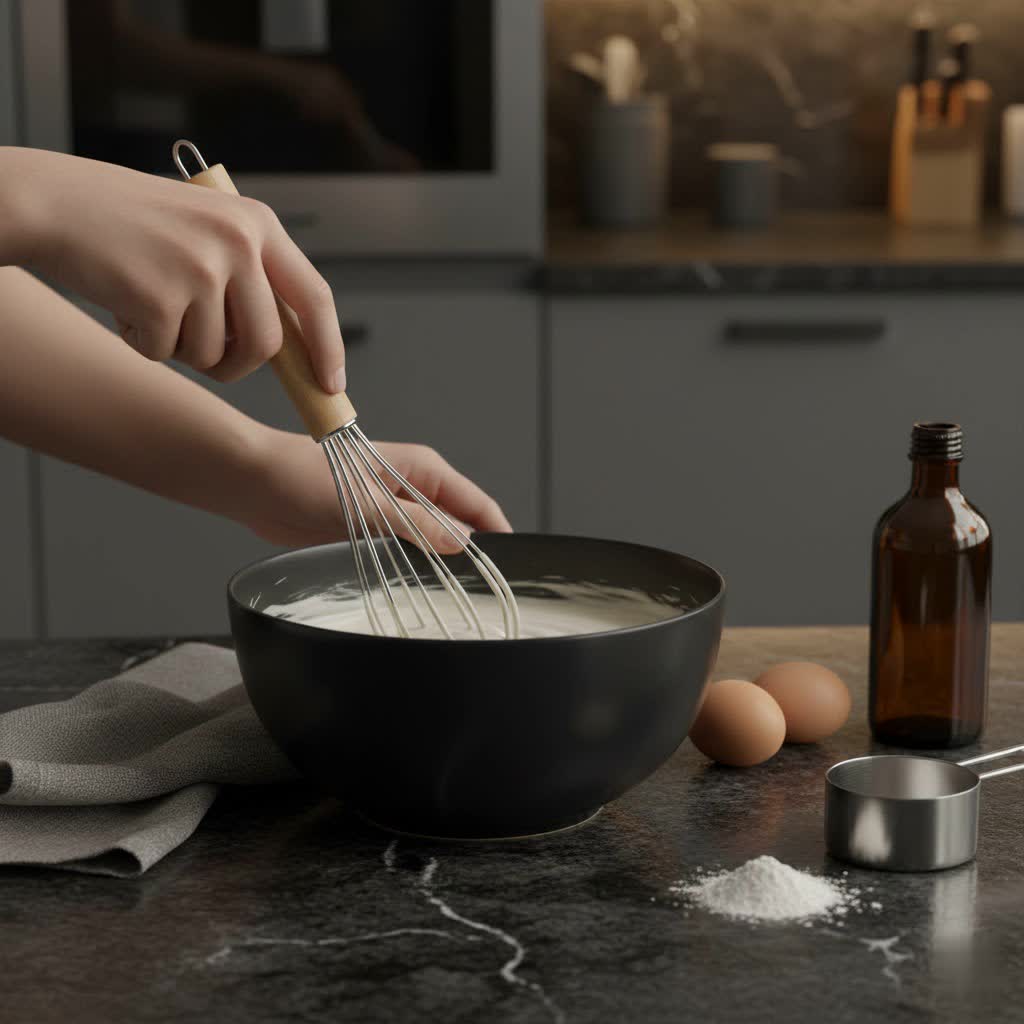
A whisk is an essential kitchen tool designed to blend ingredients smooth, aerate mixtures, and prevent lumps. From ancient branches used for frothing to modern stainless steel designs, whisks have evolved to become indispensable. At its core, a whisk features a handle and a series of flexible wires or loops that efficiently agitate liquids and semi-liquids, dramatically improving consistency and texture compared to a spoon or fork. A well-chosen whisk is crucial for emulsifying vinaigrettes, whipping cream to stiff peaks, blending batters, and creating silky-smooth sauces, making it an indispensable asset in any kitchen.
Historically, whisks were simple bundles of twigs or branches. Over time, designs evolved, incorporating metal wires for better flexibility and efficiency. Today, various types cater to specific culinary tasks, though the fundamental purpose remains the same: to integrate ingredients and introduce air for desired consistency.
The market offers several popular whisk types, each with unique characteristics. The balloon whisk is recognized by its many wires forming a large bulb shape, ideal for incorporating air into light mixtures like egg whites or cream. French whisks are more elongated with fewer, thicker wires, making them excellent for reaching into the corners of pots and pans and stirring thicker batters or sauces. Flat whisks, also known as roux whisks, are designed to work effectively in shallow pans, perfect for gravies and pan sauces. The piano whisk, a subtype of the balloon whisk with thinner wires, is particularly effective for delicate tasks and efficient aeration.
Classifying Whisks by Intended Use
Choosing the right whisk can significantly impact your cooking results. Different whisk designs are optimized for various culinary applications, ensuring efficiency and superior outcomes.
Whisk for Whipping Eggs and Cream
Table is empty.For tasks like whipping egg whites into meringue or transforming heavy cream into fluffy peaks, a whisk designed for maximum air incorporation is vital. Balloon whisks and piano whisks excel here due to their numerous flexible wires that rapidly beat air into mixtures, creating volume and lightness. The Mercer Culinary Piano Whisk, with its 10-inch size and 18-8 stainless steel wires, is particularly adept at these delicate yet demanding tasks, ensuring consistency and aeration without bending or warping.
Whisk for Mixing Batters and Dry Ingredients
When combining dry ingredients or stirring thicker batters, a robust whisk with firm wires is necessary. A French whisk or a sturdy balloon whisk with well-secured wires can handle the resistance of dense mixtures. The durability of the Mercer Culinary whisk’s stainless steel wires ensures it can tackle substantial batters without losing its shape, making it a reliable tool for everything from pancake batter to muffin mixes.
Whisk for Making Sauces and Soups
For smooth, lump-free sauces and soups, a whisk that can effectively scrape the bottom and sides of a pan is essential. French whisks are often favored for their elongated shape, which reaches into pot corners, preventing scorching and ensuring even distribution of heat and ingredients. Flat whisks are also excellent for shallow pans. The Mercer Culinary Piano Whisk, while primarily an aerator, offers sufficient rigidity in its wires and a seamless construction that aids in efficient stirring and easy cleanup in saucepans.
Specialized Whisks for Specific Purposes
Beyond general-purpose whisks, there are specialized versions like mini whisks for small quantities or individual servings, and silicone-coated whisks designed for non-stick cookware to prevent scratching. While the Mercer Culinary Piano Whisk is a versatile generalist, its professional-grade construction means it can often perform specialized tasks effectively, reducing the need for an extensive collection of single-purpose tools.
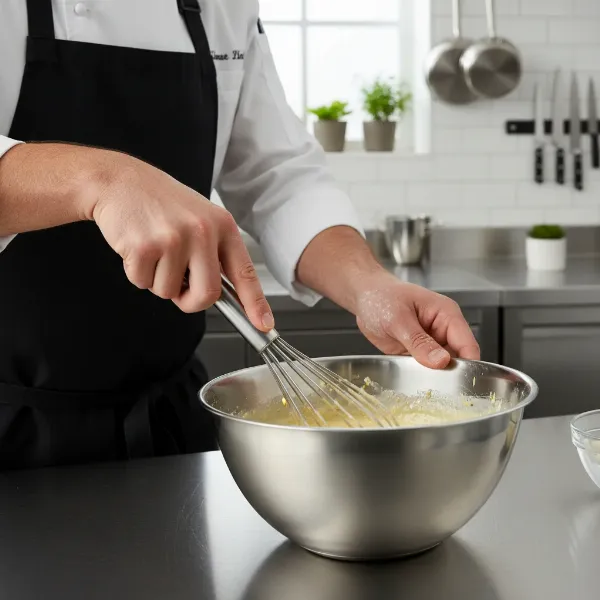 A professional chef using a Mercer Culinary Piano Whisk to vigorously mix ingredients in a stainless steel bowl, emphasizing fluid motion and precision.
Key Factors to Consider When Choosing a Whisk
Selecting the perfect whisk involves more than just picking the first one you see. Several critical factors influence a whisk’s performance, durability, and comfort in your hand.
Material (Stainless Steel, Silicone, Plastic)
The material of your whisk significantly impacts its longevity and suitability for various cooking surfaces. Stainless steel is the gold standard for whisk wires due to its rust resistance, durability, and ability to withstand high temperatures. It’s ideal for heavy-duty mixing and professional use. Silicone-coated whisks are excellent for non-stick cookware as they won’t scratch delicate surfaces, but their flexibility can sometimes be a drawback for vigorous mixing. Plastic whisks are typically budget-friendly but less durable and may not withstand high heat. The Mercer Culinary Piano Whisk features 18-8 stainless steel wires, known for superior durability and hygiene, ensuring it can handle demanding kitchen environments without bending or warping.
Size and Shape
Whisk size and shape should align with your common cooking tasks. Larger balloon whisks are great for big bowls and batches, while smaller ones are better for individual servings. The piano whisk design, like the 10-inch Mercer Culinary model, offers a balanced approach, providing ample surface area for aeration and mixing without being unwieldy. Its integrated wire loop design ensures all wires stay perfectly aligned for consistent results, a hallmark of professional tools.
Handle (Comfort, Non-Slip)
A comfortable and secure handle is paramount, especially during extended mixing sessions. Look for ergonomic designs that fit well in your hand and offer a non-slip grip. Materials like textured nylon or silicone provide better control, even with wet or greasy hands. The Mercer Culinary Piano Whisk boasts a textured nylon handle that is designed to stay cool to the touch and provide a secure grip, preventing slips and enhancing user control and safety. This heat-resistant feature is a significant advantage, often associated with the brand’s “Hell’s Handle” series known for superior heat absorption.
Durability and Ease of Cleaning
A high-quality whisk should withstand frequent use and be easy to clean. Durable construction, such as 18-8 stainless steel, resists corrosion and wear. Seamless designs are preferable as they eliminate crevices where food particles can get trapped, making cleaning a breeze. The Mercer Culinary whisk’s seamless construction and NSF certification attest to its high standards for hygiene and commercial use, ensuring it’s not only durable but also simple to maintain and sanitize.
Comparing Popular Whisk Types on the Market
While many whisk types exist, understanding their fundamental differences can help you appreciate what makes a specific design, like the Mercer Culinary Piano Whisk, stand out.
| Whisk Type | Key Features | Ideal Uses | Pros | Cons |
|---|---|---|---|---|
| Balloon Whisk | Many wires, rounded shape, often lightweight. | Whipping eggs, cream, light batters. | Excellent for aeration, creates volume quickly. | Can be less effective for thick mixtures or pan scraping. |
| French Whisk | Elongated, fewer thicker wires, tapered shape. | Stirring sauces, gravies, thick batters. | Reaches pot corners, good for heavier ingredients. | Less effective for aeration compared to balloon whisks. |
| Flat Whisk | Flat, paddle-like head with loops. | Roux, pan sauces, gravies, deglazing. | Perfect for shallow pans, scrapes flat surfaces well. | Limited aeration, not ideal for deep bowls. |
| Mercer Culinary 10-inch Piano Whisk | 18-8 stainless steel wires, textured nylon heat-resistant handle, integrated wire loops, NSF certified. | Whipping eggs/cream, light to medium batters, sauces, general mixing. | Superior durability, excellent aeration, heat-resistant, ergonomic grip, easy to clean, professional grade. | May be considered oversized for very small tasks (though 10-inch is versatile). |
The Mercer Culinary Piano Whisk combines the best attributes of a traditional balloon whisk with enhanced durability and professional-grade features. Its thinner, flexible wires excel at incorporating air, similar to a classic piano whisk, while the robust 18-8 stainless steel ensures longevity, a feature often associated with the legendary toughness of Mercer Culinary’s “Hell’s Handle” line of tools.
> “A truly great whisk isn’t just about mixing; it’s about control, consistency, and the confidence to tackle any recipe, knowing your tools won’t let you down.” – Chef Antoine Dubois, Culinary Instructor and Kitchen Equipment Specialist
Top Whisk Comparison Table
For those seeking a premium whisk that offers exceptional performance and durability, the Mercer Culinary 10-inch Piano Whisk is a strong contender. Here’s how it stacks up against other high-quality options you might consider.
| Whisk | Pros | Cons | Estimated Price |
|---|---|---|---|
| Mercer Culinary 10-inch Piano Whisk | 18-8 stainless steel for superior durability; textured, heat-resistant nylon handle for grip and comfort; NSF certified; excellent for aeration and general mixing; seamless construction for hygiene. | Only available in specific sizes; specific design might not suit all niche preferences. | $15 – $25 |
| OXO Good Grips 11-inch Balloon Whisk | Comfortable non-slip handle; good for aeration; dishwasher safe. | Wires can be less rigid over time with heavy use; not specifically heat-resistant handle. | $12 – $18 |
| All-Clad Stainless Steel French Whisk | Heavy-gauge stainless steel, very durable; excellent for sauces and thicker batters; professional aesthetic. | Higher price point; less effective for significant aeration; heavier feel. | $30 – $45 |
Whisk Buying Guide
Navigating the myriad of whisk options can be daunting. Follow these steps to ensure you choose the perfect whisk for your culinary adventures.
- Identify Your Primary Needs: Are you mostly whipping cream, stirring sauces, or blending batters? Your most frequent tasks will dictate the best whisk type. If versatility is key, a good piano or balloon whisk is a wise choice.
- Understand Whisk Types: Familiarize yourself with balloon, French, flat, and piano whisks. Each has strengths for different culinary applications.
- Prioritize Material Quality: Opt for 18-8 stainless steel wires for durability, rust resistance, and hygiene. If you use non-stick pans frequently, consider a silicone-coated whisk in addition to your steel one.
- Evaluate Handle Comfort and Heat Resistance: A comfortable, non-slip handle is crucial. For cooking over heat, a heat-resistant handle, like the textured nylon on the Mercer Culinary Piano Whisk, is a significant advantage for safety and comfort.
- Check for Durability and Easy Maintenance: Look for robust construction and seamless designs that prevent food traps and allow for easy cleaning. NSF certification, as seen in Mercer Culinary products, indicates commercial-grade hygiene and durability.
- Read User Reviews: Gain insights from other cooks’ experiences. Reviews can highlight practical aspects like performance, longevity, and ease of cleaning in real-world scenarios.
- Consider Price vs. Value: While budget is a factor, investing in a high-quality whisk like the Mercer Culinary Piano Whisk often pays off in terms of performance, durability, and the sheer joy of using a superior tool.
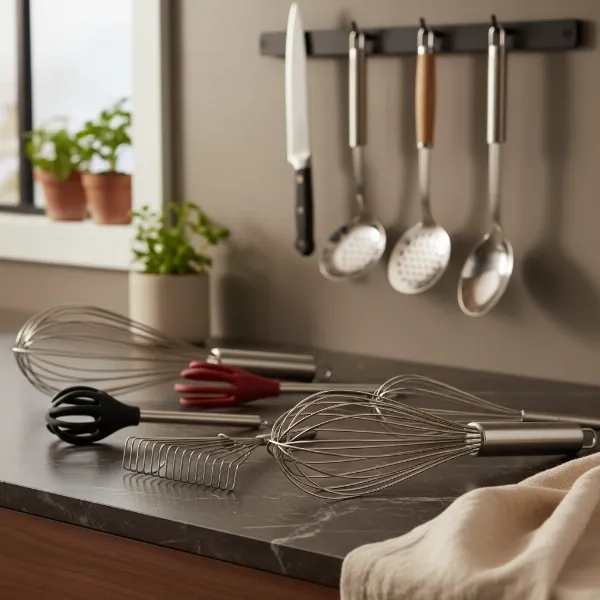 A collection of various whisks (balloon, French, flat) laid out on a clean kitchen counter, with the Mercer Culinary Piano Whisk prominently displayed. Tools for cooking surround them.
Tips for Using and Caring for Your Whisk
Maximizing your whisk’s performance and extending its lifespan involves proper usage and diligent care. Even the most durable whisk, like the Mercer Culinary Piano Whisk, benefits from good habits.
Effective Whisking Techniques
- Choose the Right Whisk: Use a balloon or piano whisk for aeration (egg whites, cream) and a French whisk for heavier mixtures or reaching into pot corners.
- Use the Right Bowl: Select a bowl appropriate for the volume of ingredients. For whipping, a deep bowl prevents splattering and allows for vigorous whisking.
- Angle and Motion: For aeration, use a rapid, circular motion that incorporates air. For blending, ensure the whisk reaches all areas of the bowl or pan to prevent lumps.
- Heat Control: When whisking over heat (e.g., sauces), use continuous motion to prevent sticking and ensure even cooking. The heat-resistant handle of the Mercer Culinary whisk is particularly beneficial here, offering comfort and safety.
Cleaning and Storage Best Practices
- Immediate Rinse: Rinse your whisk immediately after use to prevent food from drying onto the wires. This makes subsequent cleaning much easier.
- Thorough Cleaning: For stainless steel whisks, wash with warm, soapy water. The seamless construction of whisks like the Mercer Culinary Piano Whisk makes thorough cleaning simple, as there are no hidden crevices for food to accumulate. For deeper cleaning, especially with baked-on food, a soft brush can be helpful.
- Dishwasher Safety: Many stainless steel whisks are dishwasher safe. Always check manufacturer instructions. The Mercer Culinary Piano Whisk’s durable 18-8 stainless steel and nylon handle are typically dishwasher-friendly, offering convenience.
- Proper Drying: Ensure the whisk is completely dry before storing to prevent water spots or, in rare cases, rust (though high-quality stainless steel like 18-8 is highly resistant).
- Storage: Store your whisk in a way that protects its wires from bending, such as hanging it or placing it in a utensil crock where it won’t be crushed.
Common Whisking Mistakes to Avoid
- Using the Wrong Whisk: Attempting to aerate with a heavy French whisk or stir thick batter with a flimsy balloon whisk will yield suboptimal results.
- Insufficient Whisking: Not whisking long enough or vigorously enough can lead to lumpy sauces or un-aerated mixtures.
- Improper Bowl Size: Using a bowl that is too small can lead to spills and inadequate mixing, while one too large can make it hard to engage all ingredients effectively.
- Neglecting the Bottom/Corners: Failing to scrape the bottom and corners of your pan or bowl can leave unmixed ingredients or cause sauces to scorch.
Conclusion
Choosing the right whisk is a foundational step toward culinary excellence, transforming routine kitchen tasks into efficient and enjoyable processes. The Mercer Culinary Piano Whisk, with its robust 18-8 stainless steel construction, ergonomically designed heat-resistant nylon handle, and NSF certification, stands out as a professional-grade tool built for both durability and performance. It epitomizes the quality and resilience that discerning cooks seek, promising consistent results whether you’re whipping delicate meringues or blending hearty batters. Investing in a tool of this caliber not only elevates your cooking but also instills confidence in your kitchen endeavors. So, what culinary masterpiece will you create with your perfect whisk?
Frequently Asked Questions
What makes the Mercer Culinary Piano Whisk different from other whisks?
The Mercer Culinary Piano Whisk distinguishes itself with 18-8 stainless steel wires for exceptional durability, a textured heat-resistant nylon handle for superior grip and comfort, and NSF certification for professional-grade hygiene. Its integrated wire loop design ensures consistent performance, making it a reliable tool for a wide range of kitchen tasks.
Is the Mercer Culinary Piano Whisk dishwasher safe?
Yes, the Mercer Culinary Piano Whisk, with its 18-8 stainless steel wires and durable nylon handle, is designed to be dishwasher safe. This feature ensures easy and convenient cleanup, upholding its commercial-grade hygiene standards without compromising its integrity or performance over time.
Can I use the Mercer Culinary Piano Whisk for hot sauces?
Absolutely. The Mercer Culinary Piano Whisk is an excellent choice for hot sauces due to its 18-8 stainless steel wires, which are highly heat-resistant, and its specially designed textured nylon handle that stays cool to the touch. This combination allows for comfortable and safe stirring over heat, preventing scorching and ensuring smooth results.
What is the ideal size for a versatile whisk?
A 10-inch whisk, like the Mercer Culinary Piano Whisk, is often considered ideal for versatility. It provides sufficient reach for mixing in larger bowls and pots without being cumbersome for smaller tasks. This balanced size allows for effective aeration and blending across a variety of culinary applications, from whipping eggs to stirring batters.