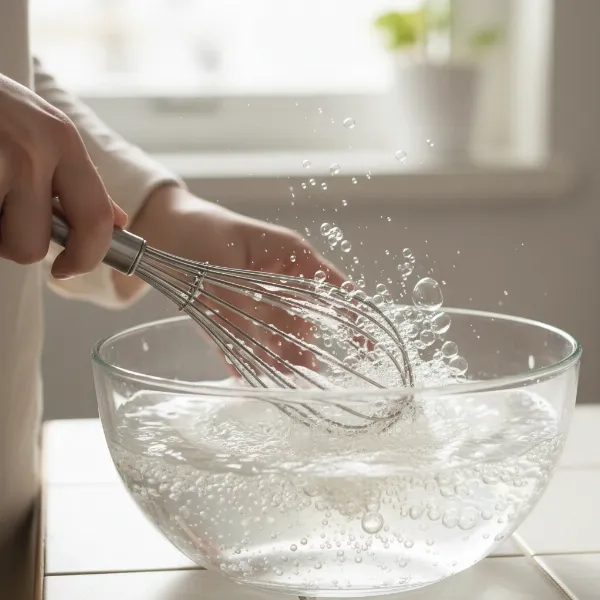
Matcha, the vibrant green powdered tea, has captivated palates worldwide, evolving from a ceremonial staple to a beloved daily ritual. As its popularity surges, so does the debate over the best preparation method. Do you embrace the ancient art of the bamboo matcha whisk, known as a chasen, or opt for the modern efficiency of an electric frother? This article delves into a comprehensive taste test and practical comparison, helping you understand the nuanced differences in flavor, texture, and overall experience, so you can choose the perfect tool to elevate your matcha journey.
What is a Matcha Whisk (Chasen) and Why Does it Matter for Your Tea?
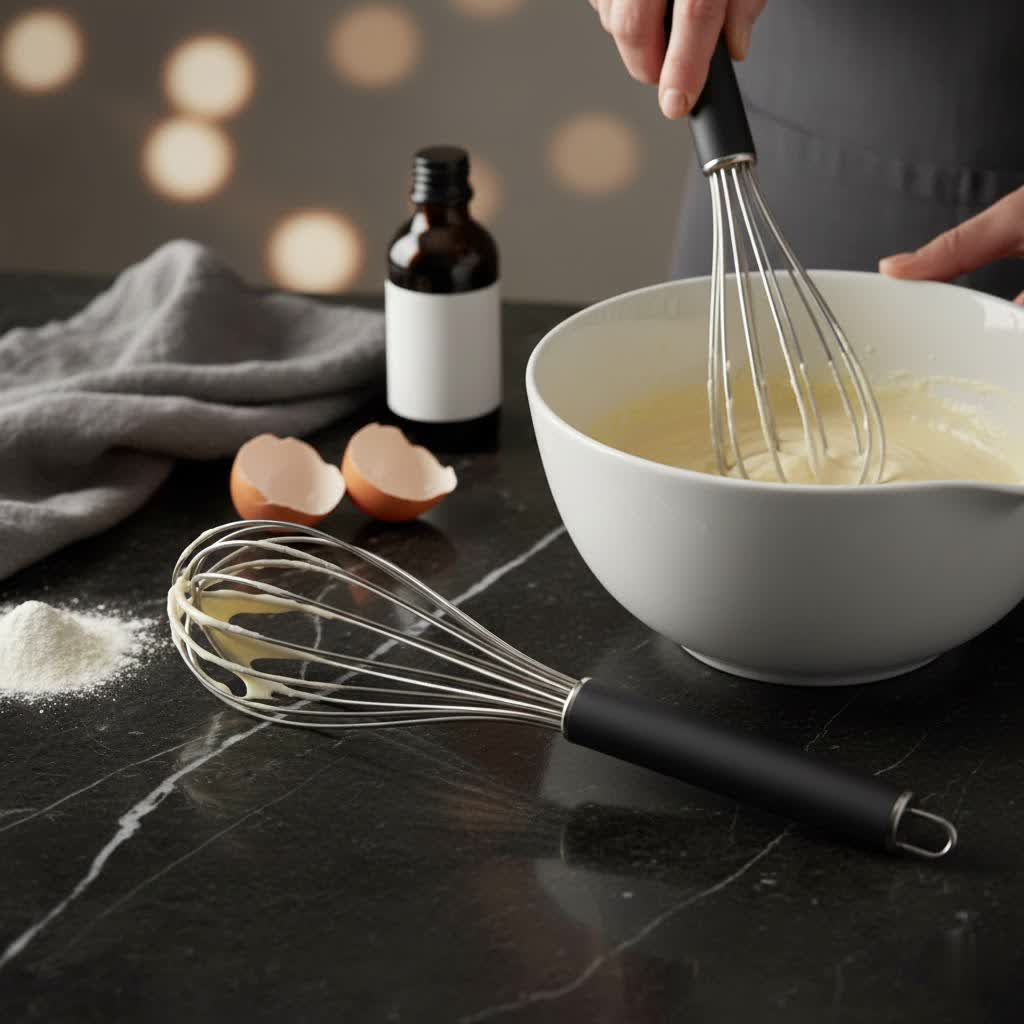
A chasen is a traditional bamboo whisk, meticulously crafted from a single piece of bamboo, featuring dozens of fine prongs. Its primary purpose is to emulsify matcha powder with hot water, creating a smooth, lump-free beverage topped with a delicate, frothy layer. Rooted deeply in Japanese tea ceremony (chanoyu) history, the chasen is more than just a utensil; it’s an integral part of a mindful, centuries-old ritual. The unique flexibility and numerous tines of the chasen are specifically designed to break down the matcha particles, preventing clumps and generating a luxurious microfoam that is quintessential to an authentic matcha experience. This traditional tool is often considered indispensable by purists for extracting the full depth of flavor and achieving the desired creamy consistency.
Understanding the Electric Frother: A Modern Alternative
An electric frother is a compact, battery-operated handheld device primarily designed to quickly aerate liquids, most commonly milk for coffee. Its small whisking head, typically made of stainless steel, spins at high speeds to rapidly incorporate air, creating foam. While not originally intended for matcha, these frothers have become a popular, convenient alternative for preparing the green tea. They offer speed and ease of use, making them an attractive option for those with busy lifestyles or for preparing matcha in unconventional settings. The electric frother provides a quick way to mix matcha powder with water, attempting to replicate the froth achieved by a chasen, albeit through a different mechanism and with potentially different results.
The Taste Test: Chasen vs. Electric Frother – A Deep Dive
The true distinction between a chasen and an electric frother becomes most apparent in the final cup, profoundly impacting both the texture and the flavor of your matcha. For many, the choice hinges on these sensory experiences.
Texture and Froth Quality
Table is empty.When it comes to texture, the chasen excels in producing a superior froth. It creates a fine, velvety microfoam with tiny, uniform bubbles that sit delicately atop the tea. This results in a smooth, creamy mouthfeel that is highly prized in traditional matcha preparation. In contrast, electric frothers tend to generate larger, rougher bubbles and a more voluminous, airy foam. While this might be appealing for some, it can lead to a less refined texture, and the larger bubbles often dissipate more quickly, compromising the lasting creaminess.
Flavor Profile
The impact on flavor is where the chasen truly shines for many matcha enthusiasts. The gentle, yet thorough, whisking action of a chasen helps to fully suspend the matcha particles and integrate air in a way that is believed to enhance the tea’s natural sweetness and bring out its nuanced umami notes. Many report that matcha prepared with a chasen tastes creamier, sweeter, and more complex. Electric frothers, while efficient, can sometimes result in a blander or even slightly bitter taste. This is often attributed to less uniform mixing or over-aeration, which might not fully unlock the delicate flavor compounds, especially in ceremonial-grade matcha.
Smoothness and Lumps
One of the chasen’s most critical functions is its ability to thoroughly break down matcha clumps, ensuring a perfectly smooth and uniform consistency. The flexible bamboo tines effectively work through the powder, leaving no gritty residue. Electric frothers, while powerful, may not blend the matcha as uniformly. Their high-speed rotation can sometimes push clumps to the edges of the bowl or create a less homogenous mixture, potentially leaving undissolved bits of powder. To mitigate this, some users pre-mix the matcha with a small amount of water using a spoon before using the frother.
Comparing the Experience: Traditional Ritual vs. Modern Convenience
Beyond taste and texture, the act of preparing matcha itself is a significant factor in choosing between a chasen and an electric frother. These tools offer vastly different experiences, catering to distinct priorities.
Preparation Time & Effort
Using a chasen typically takes 1-3 minutes of active whisking. It requires a specific technique, usually a rapid “W” or “M” motion across the bottom of the bowl, to create the ideal foam. This process can be meditative and is often seen as part of the ritual. The electric frother, on the other hand, is built for speed, whisking matcha in a mere 10-20 seconds with minimal effort. It’s a simple, push-button operation, making it ideal for busy mornings or when time is of the essence.
Cleaning and Maintenance
Cleaning a chasen requires careful attention. After each use, it should be thoroughly rinsed with warm water and allowed to air dry, ideally on a whisk holder (kusenaoshi) to maintain its shape and prevent mold. Chasens are delicate and can be fragile if not handled with care. Electric frothers often boast easier cleanup. Many have detachable whisk heads that can be rinsed or are dishwasher-safe, and the main unit can be wiped clean. Their robust construction generally makes them more forgiving in terms of maintenance.
Durability & Cost
A chasen, being made of natural bamboo, is a delicate tool. Its tines can break or lose shape over time with consistent use, typically requiring replacement every few months to a year depending on frequency and care. They are generally quite affordable, often costing around $7-$15. Electric frothers are typically more durable, constructed from stainless steel and plastic. While the whisk head can bend, the overall device is more resistant to damage. Their cost can vary more widely, from inexpensive handheld models starting around $15-$25 to more advanced models.
Top Considerations When Choosing Your Matcha Whisking Tool
Deciding between a chasen and an electric frother ultimately comes down to your personal priorities and the kind of matcha experience you seek.
Your Matcha Grade & Purpose
The grade of matcha you typically consume plays a significant role. For ceremonial grade matcha, which is meant to be savored pure, many experts strongly recommend a chasen. Its ability to create fine microfoam and unlock the tea’s complex flavor profile is unparalleled. For culinary grade matcha, or when making matcha lattes, smoothies, or other mixed drinks, an electric frother is a perfectly acceptable and highly convenient choice. The strong flavors of milk or other ingredients can mask the subtle differences in froth quality or flavor nuances that a chasen provides.
Prioritizing Authenticity vs. Speed
If you value the traditional aspect of matcha preparation, enjoy a mindful ritual, and prioritize the most authentic taste and texture, then the chasen is your ideal companion. It connects you to centuries of tea culture and offers unparalleled control over the outcome. If, however, convenience, speed, and ease of use are your primary concerns, especially during a hectic schedule, an electric frother offers a quick and efficient way to enjoy your daily matcha without much fuss. It’s a practical tool for modern living.
Budget and Maintenance
Consider the ongoing costs and effort involved. While both tools are relatively inexpensive, the chasen may require more frequent replacement due to its delicate nature. Electric frothers typically have a longer lifespan but may require batteries or charging. Evaluate whether you prefer the hands-on care of a traditional tool or the low-maintenance practicality of a modern gadget.
Expert Insights: Beyond the Whisking Action
> “The subtle difference in aeration provided by a traditional chasen allows matcha’s delicate amino acids to truly shine, resulting in a remarkably smoother and richer mouthfeel compared to the more aggressive agitation of an electric frother.” – Dr. Tea Leaf, Certified Tea Sommelier
This insight underscores that the whisking method isn’t just about mixing; it’s about the gentle unraveling of matcha’s complex chemistry to achieve its optimal taste and texture.
Mastering Your Tool: Tips for Optimal Matcha Preparation
Regardless of your chosen tool, a few best practices can significantly enhance your matcha experience.
Using a Chasen Effectively
To achieve the best results with a chasen, always pre-wet your whisk in warm water for a few seconds to soften the bamboo tines. Use about 2-4 grams of matcha (1-2 chashaku scoops) and 60-80ml (2-3 oz) of water heated to approximately 70-80°C (158-176°F). Whisk vigorously in a rapid “W” or “M” motion, keeping the whisk just above the bottom of the bowl, until a fine, creamy foam with tiny bubbles appears. Finish by drawing the whisk gently through the center of the foam to create a smooth surface.
Getting the Best from Your Electric Frother
For electric frother users, ensure your matcha powder is as lump-free as possible before whisking. You can sift it or make a thick paste with a small amount of water first. Use similar matcha-to-water ratios and water temperatures as with a chasen. When using the frother, avoid over-frothing, which can lead to excessive large bubbles. For lattes, frothing the milk separately to your desired consistency and then adding the prepared matcha can yield better results. While it may not replicate the traditional microfoam, an electric frother is excellent for quickly incorporating matcha into various beverages.
Conclusion
The debate between the matcha whisk (chasen) and the electric frother boils down to a choice between tradition and convenience, subtle flavor nuances and rapid preparation. The chasen, with its centuries-old heritage, consistently delivers a superior taste experience—a smoother, creamier, and more authentic cup of matcha with delicate microfoam. It’s an investment in a mindful ritual that enriches the tea itself. The electric frother, on the other hand, offers unmatched speed and ease, making it a practical tool for busy schedules and for incorporating matcha into various modern drinks.
Ultimately, the “best” tool is the one that aligns with your personal preferences, lifestyle, and the kind of matcha experience you cherish. Perhaps you’ll even find a place for both in your kitchen, one for your meditative mornings and the other for your swift, on-the-go moments. Which method will you choose to elevate your matcha ritual?
Frequently Asked Questions
What is a Chasen?
A Chasen is a traditional Japanese bamboo whisk specifically designed for preparing matcha green tea. It features numerous fine tines that are used to thoroughly mix matcha powder with hot water, creating a smooth, lump-free tea with a delicate layer of froth.
Can an electric frother make ceremonial grade matcha taste good?
While an electric frother can effectively mix ceremonial grade matcha, it typically doesn’t achieve the same delicate microfoam or bring out the nuanced flavors as a traditional Chasen. It may result in a blander taste and coarser foam, making it less ideal for experiencing ceremonial matcha’s full potential.
How do I get rid of lumps in my matcha if I use an electric frother?
To minimize lumps when using an electric frother, try sifting your matcha powder beforehand or creating a thick paste with a small amount of warm water using a spoon before introducing the frother. This helps ensure the powder is well-dissolved before rapid whisking.
What are the benefits of using a bamboo whisk for matcha?
Using a bamboo whisk (chasen) for matcha offers several benefits, including achieving a smooth, lump-free consistency, creating a fine, velvety microfoam that enhances texture, and unlocking the full, nuanced flavor profile of the tea, often resulting in a sweeter and creamier taste.
How long does it take to whisk matcha with a Chasen?
Whisking matcha with a Chasen typically takes about 1 to 3 minutes of active, vigorous whisking. The goal is to achieve a uniform, frothy consistency with small, even bubbles on the surface, which requires a specific “W” or “M” motion.