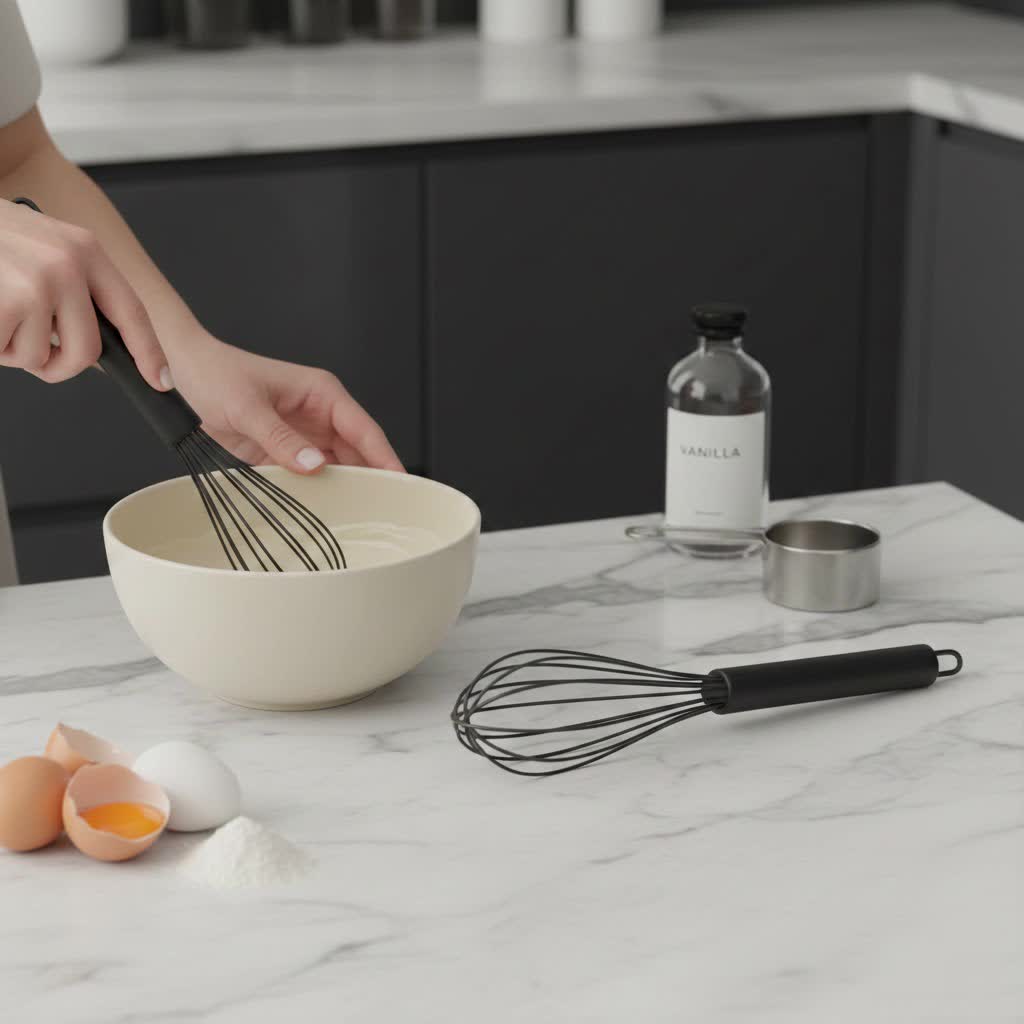
Few culinary creations rival the creamy richness and versatile appeal of homemade mayonnaise. While modern appliances like immersion blenders offer a quick fix, there’s an undeniable satisfaction and superior texture that comes from whisking mayonnaise by hand. This classic technique, relying on simple ingredients and a sturdy whisk, transforms humble egg yolks and oil into a luxurious, stable emulsion. If you’re ready to elevate your culinary skills and savor the true taste of fresh mayonnaise, grab your whisk – we’re about to embark on a journey to mayonnaise mastery.
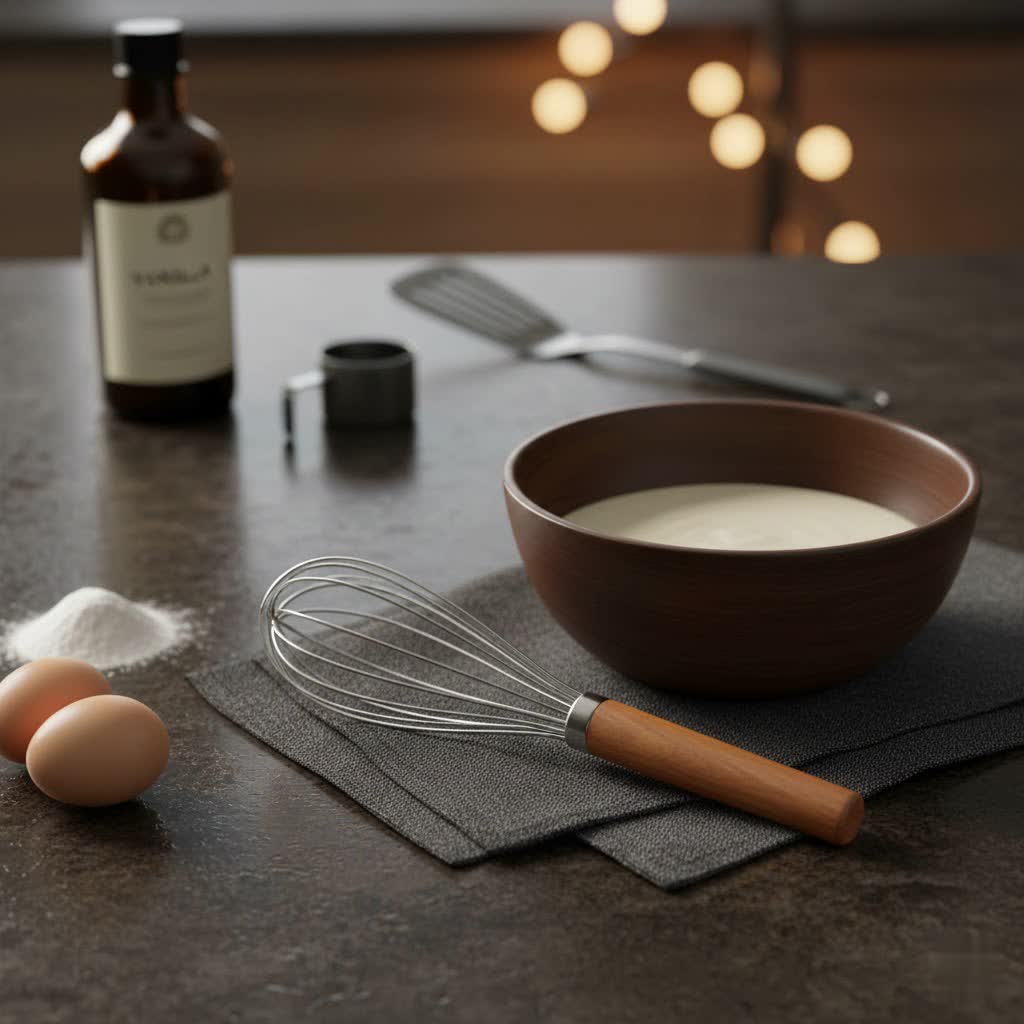
The Art of Homemade Mayonnaise: Why a Whisk is Your Best Friend
Mayonnaise is a classic emulsion, a delicate suspension of oil droplets in a water-based mixture, stabilized primarily by lecithin found in egg yolks. The magic happens when vigorous mechanical action disperses the oil into incredibly tiny particles, preventing them from coalescing back into a greasy, separated mess. This is where the whisk shines. Unlike electric mixers that can sometimes over-aerate or quickly overwhelm the emulsion with too much oil, a hand whisk provides precise control, allowing for a gradual integration of ingredients crucial for a stable and glossy mayonnaise. The rhythmic motion and constant agitation ensure the oil is perfectly incorporated, leading to a consistently smooth and saucier texture that many chefs prefer over machine-made versions.
Essential Ingredients for Perfect Hand-Whisked Mayonnaise
Achieving mayonnaise perfection starts with quality ingredients and attention to detail. The right components, at the correct temperature, lay the foundation for a flawless emulsion.
Egg Yolks: The Emulsification Powerhouse
Table is empty.Fresh, room-temperature egg yolks are paramount. The lecithin within the yolk acts as an emulsifier, binding the oil and water components together. Using cold eggs can make emulsification significantly harder. For a standard batch, two large egg yolks are often ideal.
Oil: The Body of Your Mayonnaise
The choice of oil dramatically impacts flavor. Neutral oils like canola, grapeseed, sunflower, or vegetable oil are excellent choices for a classic, mild-tasting mayonnaise. If you desire a more robust flavor, a blend of neutral oil and a good quality extra virgin olive oil can be used, though 100% olive oil can sometimes lead to a slightly bitter taste or a less stable emulsion. The oil should also be at room temperature to ensure smooth integration.
Acid: Brightness and Stability
Lemon juice or white vinegar provides the necessary acidity to brighten the flavor and aids in the emulsification process. A tablespoon or two is typically added early in the process.
Seasonings: Enhancing the Flavor Profile
- Dijon Mustard: Not just for flavor, Dijon mustard contains compounds that act as secondary emulsifiers, providing an extra layer of insurance against a broken mayonnaise. A teaspoon is usually sufficient.
- Salt and Pepper: Fine sea salt and freshly ground white pepper are essential for seasoning. These are often added towards the end, allowing you to taste and adjust.
Temperature: The Unsung Hero
Ensure all your ingredients – especially the egg yolks and oil – are at room temperature. This helps them blend more easily and form a stable emulsion. Cold ingredients are a common culprit for a failed mayonnaise.
Step-by-Step Guide: Making Mayonnaise by Hand with a Whisk
Mastering hand-whisked mayonnaise is a rewarding culinary skill that requires patience and technique. Follow these steps for a consistently delicious result.
Preparation: Gathering Your Tools and Ingredients
Before you begin, assemble everything you need:
- A medium-sized, sturdy mixing bowl, preferably one that can be stabilized with a damp towel underneath.
- A good quality whisk (more on choosing the best one below).
- Measuring spoons and cups.
- All your ingredients at room temperature.
The Foundation: Whisking Egg Yolks and Acid
In your mixing bowl, combine the egg yolks, Dijon mustard, a pinch of salt, and half of your lemon juice or vinegar. Whisk vigorously for 2-3 minutes until the mixture becomes pale yellow, slightly frothy, and increases in volume. This initial whisking helps to break down the egg yolks and activates the emulsifiers.
The Emulsification Process: Slowly Drizzling in Oil
This is the most critical stage. It requires patience and a steady hand.
- Start with a Drip: Begin by adding the oil literally drop by drop while continuously whisking the egg yolk mixture with your other hand. Maintain a consistent, rapid whisking motion. The goal is to incorporate tiny amounts of oil into the egg mixture without overwhelming it.
- Thin Stream: Once you see the mixture starting to thicken and emulsify (it will become noticeably paler and thicker), you can gradually increase the oil addition to a very thin, steady stream – no thicker than a thread. Continue whisking constantly and vigorously.
- Consistency is Key: Pay close attention to the consistency. As you add more oil, the mayonnaise will thicken. If it appears too thick, you can whisk in a few drops of water or additional lemon juice to thin it slightly. If it seems thin or looks like it might break, slow down your oil addition even further, or stop adding oil for a moment and just whisk until it re-emulsifies.
- Scrape the Sides: Occasionally, stop to scrape down the sides of the bowl with a rubber spatula to ensure all the oil and egg yolk are incorporated.
Flavoring and Seasoning Your Homemade Mayonnaise
Once all the oil is incorporated and your mayonnaise has reached its desired thickness, whisk in the remaining lemon juice or vinegar to taste. Season with additional salt and freshly ground white pepper. Taste and adjust until the flavor is perfectly balanced. Remember, the mayonnaise will taste richer and slightly blander before the final seasoning.
> “The secret to a perfect hand-whisked mayonnaise lies in the dance between a slow, steady oil stream and relentless, vigorous whisking. It’s a test of patience, but the creamy reward is unparalleled.” – Chef Antoine Dubois, Culinary Instructor specializing in French Sauces
Choosing the Right Whisk for Mayonnaise Making
The right whisk can make a significant difference in the ease and success of hand-whisking mayonnaise. While many whisks exist, some are inherently better suited for this delicate task.
Whisk Types Best Suited for Mayonnaise
- Balloon Whisk: This is arguably the best general-purpose whisk for mayonnaise. Its numerous, flexible wires and bulbous shape are designed to incorporate a lot of air and efficiently combine ingredients in a bowl. The flexibility allows it to reach into the curves of the bowl, ensuring thorough mixing.
- French Whisk: Similar to a balloon whisk but with a narrower, more elongated shape, a French whisk offers good contact with the bottom of the bowl and can be effective for vigorous whisking, though it may not incorporate as much air as a true balloon whisk.
- Mini Whisk/Sauce Whisk: For small batches of mayonnaise or when working with a narrow container, a smaller whisk can be advantageous. Its compact size allows for better control in confined spaces.
Material Matters: Stainless Steel vs. Silicone
- Stainless Steel: The preferred material for professional chefs, stainless steel whisks are durable, hygienic, and non-reactive with acidic ingredients like lemon juice or vinegar. They provide excellent rigidity for effective whisking.
- Silicone-Coated: If you are working in a non-stick bowl and are concerned about scratching the surface, a silicone-coated whisk can be a good choice. However, pure stainless steel is generally more robust for the vigorous action needed for mayo.
Size and Handle Comfort: Ergonomics for Continuous Whisking
Choose a whisk that feels balanced and comfortable in your hand. An ergonomic, non-slip handle is crucial, especially since you’ll be whisking continuously for several minutes. The length of the whisk should also be appropriate for your mixing bowl, allowing you to whisk effectively without your knuckles hitting the bowl’s rim. A well-weighted whisk can help reduce hand fatigue during the emulsification process.
Troubleshooting Common Mayonnaise Mistakes
Even experienced cooks can encounter issues when making mayonnaise by hand. Don’t despair; many common problems have straightforward solutions.
My Mayonnaise Broke! How to Fix It
A “broken” mayonnaise looks curdled, greasy, or separated, often resembling scrambled eggs rather than a smooth sauce. This usually happens when the oil is added too quickly or if the ingredients were too cold.
To fix:
- In a clean, separate bowl, whisk a fresh egg yolk until pale.
- Very slowly, drop by drop, begin to whisk the broken mayonnaise into the fresh egg yolk, just as you would add oil initially. Continue whisking constantly until the mixture emulsifies and thickens.
- Once stable, you can gradually whisk in any remaining plain oil if needed.
Why is My Mayonnaise Too Thin/Thick?
- Too Thin/Runny: This typically means the emulsion hasn’t fully formed, often due to insufficient whisking, cold ingredients, or too much oil for the amount of egg yolk. If it’s only slightly thin, you might be able to whisk in a few more drops of oil very slowly. If it’s very runny, you’ll need to try the “fixing broken mayonnaise” method with a fresh egg yolk.
- Too Thick: If your mayonnaise is overly thick, simply whisk in a teaspoon or two of warm water, lemon juice, or vinegar until it reaches your desired consistency. Be careful not to thin it out too much.
Preventing Mayonnaise from Breaking
Prevention is always better than cure.
- Room Temperature Ingredients: This cannot be stressed enough. Bring your eggs and oil to room temperature before starting.
- Slow Oil Addition: The most critical rule. Start with drops, then a thin stream. Patience is key.
- Consistent Whisking: Maintain a steady, vigorous whisking motion throughout the oil addition.
- Don’t Over-Whisk: Once your mayonnaise is emulsified and reaches your desired consistency, stop whisking. Excessive whisking after it’s formed can sometimes cause it to break.
Storing and Enjoying Your Homemade Mayonnaise
Once you’ve successfully created your homemade mayonnaise, proper storage is essential for safety and freshness.
Homemade mayonnaise, due to the raw egg yolks, should be stored in an airtight container in the refrigerator and consumed within 3-5 days. Labeling with the date of preparation is a good practice. Always use a clean spoon when serving to avoid introducing contaminants.
The beauty of homemade mayonnaise lies in its fresh, vibrant flavor. It’s far superior to store-bought varieties and can elevate countless dishes:
- As a classic condiment for sandwiches, burgers, and fries.
- The base for delicious salad dressings or aioli (just add crushed garlic).
- In potato salad, coleslaw, or deviled eggs.
- As a creamy dipping sauce for vegetables or seafood.
Conclusion
Making mayonnaise by hand with a whisk is a gratifying culinary endeavor that connects you to classic cooking techniques. By understanding the principles of emulsification, using room-temperature ingredients, and mastering the art of slow oil addition and vigorous whisking, you can consistently produce a homemade mayonnaise that is far superior in taste and texture to any store-bought alternative. This glossy, rich condiment is a testament to skill and patience, transforming simple ingredients into a versatile staple for your kitchen. So, gather your ingredients, trust your whisk, and enjoy the delicious journey of creating your own perfect mayonnaise. What will you pair with your freshly made mayonnaise first?
Frequently Asked Questions
What kind of oil is best for homemade mayonnaise?
For a neutral, classic flavor, use a neutral-tasting oil like canola, grapeseed, or sunflower oil. If you prefer a richer taste, you can use a blend of neutral oil and a good quality extra virgin olive oil, but avoid using 100% olive oil as it can sometimes lead to bitterness or a less stable emulsion.
How do I know if my mayonnaise is emulsifying correctly?
As you slowly add oil and whisk, the mixture will gradually thicken and turn a pale yellow color. It should become increasingly opaque and form soft peaks as you lift the whisk. If it remains thin, watery, or starts to look curdled, the emulsion may be breaking or has not formed properly.
Can I use a food processor or immersion blender instead of a whisk?
Yes, you can use a food processor or immersion blender for faster mayonnaise. However, hand-whisking often yields a glossier, saucier texture, while machine-made mayonnaise tends to be thicker and creamier. Hand-whisking also offers more control over the emulsion process.
How long does it take to hand-whisk mayonnaise?
With practice, making mayonnaise by hand can take anywhere from 5 to 15 minutes, depending on your whisking speed and the volume of mayonnaise you are making. The most time-consuming part is the slow, continuous oil addition during emulsification.
Is homemade mayonnaise safe to eat with raw eggs?
Consuming raw eggs carries a risk of Salmonella. To minimize this risk, use fresh, high-quality eggs from a reputable source, or opt for pasteurized egg yolks if available. Store homemade mayonnaise in the refrigerator and consume it within 3-5 days.