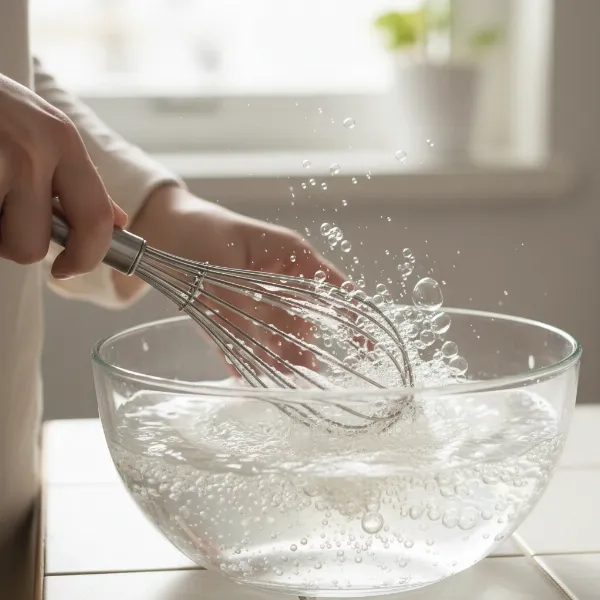
Achieving perfectly stiff egg white peaks is a culinary art, a foundational step for everything from airy meringues to cloud-like soufflés and delicate mousses. The right whisk transforms translucent liquid into a voluminous, stable foam, trapping air to create that signature light texture. But with a myriad of whisks available, choosing the ideal tool can feel daunting. As a seasoned technician with over a decade in kitchenware, I understand the nuances of what makes a whisk truly shine when it comes to this delicate task.
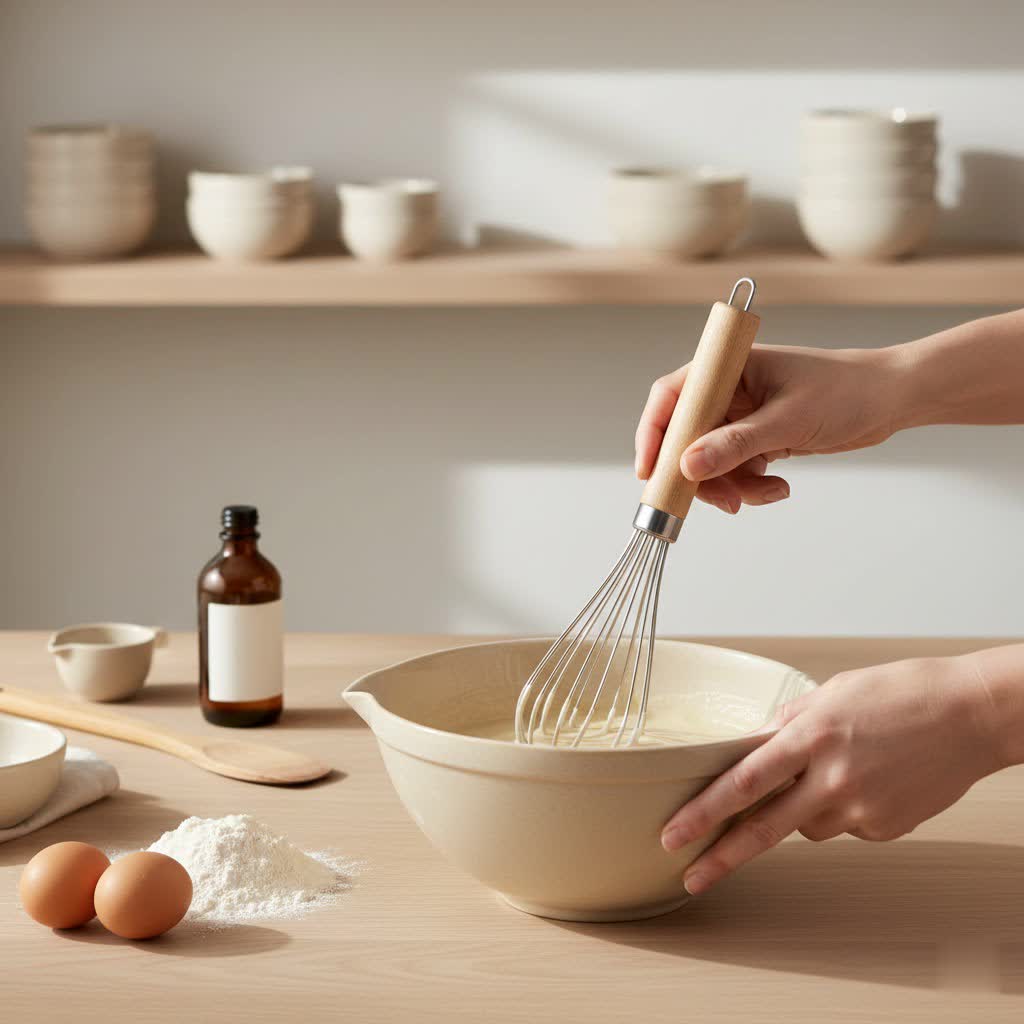
What is a Whisk and Why is it Essential for Whipping?
A whisk is a fundamental kitchen utensil designed primarily to blend ingredients smoothly and, critically, to incorporate air into mixtures—a process known as whisking or whipping. While its origins can be traced back to bundles of twigs, the modern whisk has evolved significantly. Its primary function for egg whites is to rapidly beat the liquid, denaturing the proteins and creating a network of air bubbles. This physical action, when executed with the correct tool, builds structure and volume, turning egg whites into a frothy, then foamy, and finally, stiff-peaked consistency. Without an effective whisk, achieving the desired aeration and stability in egg whites would be a formidable challenge.
Types of Whisks for Specific Whipping Needs
The world of whisks is more diverse than many imagine, each type optimized for different culinary applications. Understanding these variations is key to selecting the best whisk for specific tasks, especially when precision is required for dishes like meringue.
Whisks for Beating Eggs and Cream
Table is empty.When it comes to whipping air into eggs and cream, a few whisk types stand out, primarily due to their design which maximizes air incorporation.
The Balloon Whisk, also often called a piano whisk, is the quintessential choice for whipping egg whites and cream. Its distinctive bulbous shape and numerous thin, flexible wires are engineered to create maximum movement and introduce as much air as possible into a mixture. The wide-spaced wires allow for efficient aeration, building volume quickly and effectively. This design is what makes balloon whisks superior for creating light, fluffy textures required for stiff peaks.
French Whisks are similar to balloon whisks but feature a more narrow, tapered profile and often denser, slightly thicker wires. While they are excellent for general beating, mixing sauces, and reaching into the corners of pots and pans, their design is less optimal for maximizing air incorporation compared to a traditional balloon whisk when striving for stiff egg white peaks. They tend to create a denser foam rather than the light, airy structure desired for meringues.
Ball Whisks offer a unique design with individual wires tipped with small metal balls, rather than traditional loops. Proponents suggest this design offers improved aeration and is notably easier to clean, as there are no intersecting wires to trap food particles. While they can be effective for egg whites, the classic balloon whisk is generally more widely recognized and recommended for its consistent performance in achieving stiff peaks.
Whisks for Mixing Batters and Dry Ingredients
While not ideal for whipping egg whites to stiff peaks, other whisk types excel in different areas of the kitchen. Flat Whisks, sometimes known as roux whisks, feature wires arranged in a flat pattern, making them perfect for incorporating ingredients in shallow pans or scraping the bottom of pots when making gravies or béchamel sauces. Danish Dough Whisks, with their sturdy, open wire loops, are specifically designed for mixing heavy batters and doughs without overworking them, a task far removed from the delicate aeration needed for egg whites. These specialized whisks highlight that the “best” whisk is always dependent on the specific culinary application.
Specialty Whisks
Among specialty whisks, Mini Whisks (often referred to as bar whisks) are essentially miniature balloon whisks. Their compact size makes them perfect for whisking small quantities of egg whites, such as for frothing cocktails or preparing single servings of sauces. Despite their small stature, they employ the same effective aeration principles as their larger counterparts, making them surprisingly capable for focused, small-batch tasks.
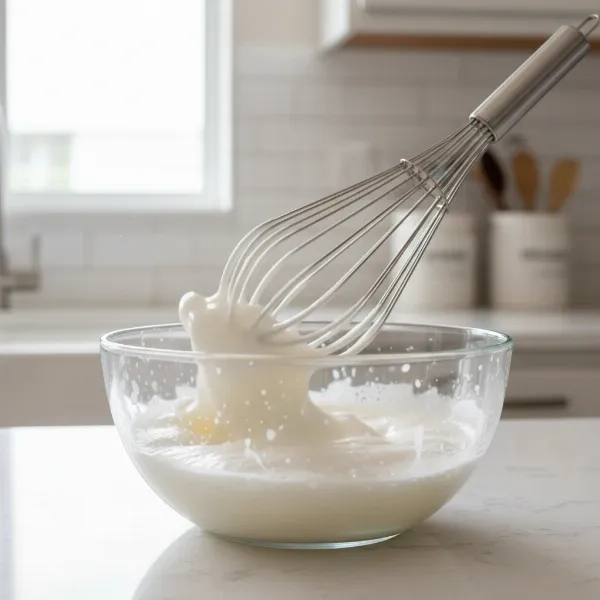 A stainless steel balloon whisk in a glass bowl, actively whipping egg whites into a foamy consistency, showing air incorporation.
Key Factors When Choosing a Whisk for Stiff Peaks
Selecting the perfect whisk for whipping egg whites involves considering several crucial elements beyond just its basic existence in your kitchen drawer. These factors directly impact the efficiency and success of achieving those coveted stiff peaks.
Material (Stainless Steel, Silicone)
The material of your whisk significantly affects its performance and longevity.
- Stainless Steel: This is the most popular choice for professional bakers and home cooks alike. Stainless steel whisks are highly durable, resistant to rust, and do not react with acidic ingredients, which is important when working with egg whites (especially if you add a pinch of cream of tartar). Their firm yet flexible wires efficiently cut through egg whites, incorporating air rapidly.
- Silicone-Coated or Full Silicone: These whisks are an excellent option if you frequently use non-stick bowls or cookware, as they prevent scratching. Silicone offers good flexibility and is often lighter than all-stainless steel models. However, they might not be as rigid as stainless steel, potentially requiring more effort for vigorous whisking. It’s also worth noting that full silicone whisks are not ideal for extremely high heat applications, though this is less of a concern when whipping egg whites. For egg whites, a silicone-coated stainless steel whisk offers the best of both worlds: effective aeration with pan protection.
Size and Shape
For whipping egg whites, the balloon shape is paramount. The wide, rounded head allows for maximum contact with the egg whites in the bowl, creating extensive movement and incorporating a large volume of air with each stroke. A larger whisk (typically 10-12 inches) often provides more leverage and covers a greater surface area, making the process more efficient, especially for larger batches of egg whites. While smaller whisks are suitable for single eggs or cocktail frothing, a moderately sized to large balloon whisk is recommended for achieving stiff peaks consistently.
Handle Comfort and Grip
When whisking egg whites by hand, you’ll be applying continuous motion for several minutes. A comfortable, ergonomic handle is crucial to prevent hand fatigue. Look for handles made from soft-grip materials, weighted stainless steel, or designs that fit well in your hand, offering a secure, non-slip grip, even when wet. A good handle allows for better control and sustained effort, contributing to more consistent results.
Durability and Ease of Cleaning
A high-quality whisk should be durable enough to withstand vigorous use without its wires bending or breaking. Stainless steel whisks are generally very robust. For ease of cleaning, whisks with fewer intersecting wires or designs that don’t trap food can be beneficial. Many modern whisks are dishwasher- safe, which is a significant advantage for regular use.
Comparing Top Whisk Types for Egg Whites
Choosing the right whisk can significantly impact your success in the kitchen. Here’s a comparison of common whisk types, with a focus on their suitability for whipping egg whites to stiff peaks.
| Whisk Type | Key Features for Egg Whites | Pros | Cons | Best Use |
|---|---|---|---|---|
| Balloon Whisk | Bulbous shape, numerous thin, flexible wires for maximum air incorporation. | Excellent for aeration, creates light and voluminous foams, versatile for many tasks. | Can potentially scratch non-stick surfaces (if metal), requires thorough cleaning. | Whipping egg whites, heavy cream, light batters, meringues. |
| French Whisk | Narrower, more tapered profile with denser, slightly thicker wires. | Good for general beating, mixing in tight corners of pots, durable for thicker mixtures. | Less effective for maximal air incorporation compared to balloon whisks, can create denser foams. | Sauces, denser batters, general egg beating (e.g., scrambled eggs). |
| Ball Whisk | Individual wires ending in small metal balls, no intersecting loops. | Easier to clean due to open design, some claim better aeration, good for reaching bowl corners. | Less common, may feel less stable than traditional balloon whisks, aeration can be inconsistent if not used correctly. | Egg whites (alternative), sauces, dressings, reaching bowl contours. |
| Silicone Whisk | Wires coated entirely in silicone or full silicone construction. | Safe for non-stick cookware and bowls, flexible, often colorful. | May be less rigid than metal, potentially requiring more effort for stiff peaks, not for high heat. | Whipping egg whites in non-stick bowls, light batters, delicate mixtures. |
Buying Guide: Finding Your Perfect Whisk for Meringue and More
Finding the ideal whisk doesn’t have to be a complex process. By following a structured approach, you can confidently select a tool that meets your culinary demands, especially for achieving perfect egg white peaks.
- Identify Your Primary Needs: Since your goal is specifically to whip egg whites to stiff peaks, prioritize a whisk designed for aeration. A good quality balloon whisk should be at the top of your list due to its superior ability to incorporate air.
- Understand Whisk Types: Revisit the different types discussed. While a balloon whisk is paramount for egg whites, consider if you also need a whisk for other tasks. If you frequently make sauces in non-stick pans, a silicone-coated balloon whisk or a secondary flat whisk might be beneficial.
- Consider Material: For durability and efficiency in whisking egg whites, stainless steel is often the top recommendation. If you’re concerned about scratching non-stick surfaces, opt for a silicone-coated stainless steel balloon whisk.
- Evaluate Size and Ergonomics: A whisk that feels comfortable in your hand is crucial for manual whisking. Look for a handle that offers a secure grip and a size (typically 10-12 inches for balloon whisks) that provides good leverage for efficient aeration.
- Read User Reviews and Expert Recommendations: Before making a purchase, consult reviews from other home cooks and culinary experts. Their real-world experiences can offer valuable insights into a whisk’s performance, durability, and ease of use.
- Purchase from Reputable Brands: Invest in whisks from well-known kitchenware brands that have a reputation for quality and durability. This often ensures better materials and construction, leading to a more effective and long-lasting tool.
Tips for Using and Maintaining Your Whisk for Optimal Egg White Whipping
Mastering the art of whipping egg whites to stiff peaks isn’t just about the whisk; it’s also about technique and care.
How to Use Your Whisk Correctly
The key to stiff peaks is air incorporation. When whisking egg whites by hand, use a vigorous, circular motion that also incorporates an “up and over” lifting action. This ensures that air is continually folded into the mixture, creating volume. Start with a moderate speed, gradually increasing as the whites become foamy. Ensure you reach all areas of the bowl, especially the bottom and sides, to ensure even aeration.
> “For truly impressive egg white peaks, always aim for a ‘lifting’ motion, not just stirring. This maximizes air incorporation and builds a stable, voluminous foam.” – Chef Elena Petrova, Pastry Arts Instructor
The Importance of Clean, Fat-Free Bowls
Even the slightest trace of fat can prevent egg whites from whipping up properly. Always use a scrupulously clean bowl (stainless steel, glass, or copper are ideal) and whisk. Plastic bowls can retain greasy residues, so it’s best to avoid them for egg whites. Ensure there’s no egg yolk contamination when separating eggs; even a tiny drop can ruin your efforts. A pinch of cream of tartar can also help stabilize the egg white proteins, promoting faster and more stable peaks.
Preventing Over-Whisking
While whisking vigorously is essential, knowing when to stop is equally important. Egg whites progress from foamy to soft peaks, then stiff peaks. At the stiff peak stage, the whites will be opaque, glossy, and hold their shape firmly when the whisk is lifted, with the tip curling slightly or standing straight. Over-whisking causes the foam to become dry, granular, and eventually separate, expelling the trapped liquid and losing its volume. Stop just as stiff peaks are achieved for the best texture and stability.
Cleaning and Storage
After use, clean your whisk promptly. For stainless steel, warm soapy water and a brush can remove any trapped egg white. Silicone whisks are often easier to clean due to their non-stick properties. Many whisks are dishwasher-safe, but always check manufacturer instructions. Store your whisk in a utensil crock or hang it, allowing it to dry completely to prevent rust (for metal) and maintain hygiene.
Conclusion
Mastering the art of whipping egg whites to stiff peaks is a hallmark of skilled baking, and the humble whisk is your most powerful ally in this endeavor. While many types exist, the balloon whisk stands out as the best tool for this specific task, excelling in aeration and volume creation. Choosing the right material, such as durable stainless steel or non-stick-friendly silicone-coated wires, alongside a comfortable handle, ensures efficiency and ease. By understanding the nuances of whisk types, applying proper technique, and maintaining your tools, you can consistently achieve the perfect, airy texture essential for countless culinary delights. What will you create next with your perfectly whipped egg whites?
Frequently Asked Questions
Can I use a French whisk to whip egg whites?
While a French whisk can beat egg whites, its narrower shape and denser wires are less effective at incorporating the large volume of air needed for stiff peaks compared to a balloon whisk. It will produce a denser foam, which might not be suitable for recipes requiring maximum lightness.
What is the difference between soft and stiff peaks?
Soft peaks occur when whisked egg whites form peaks that gently droop or fold over when the whisk is lifted. Stiff peaks, on the other hand, stand firm and straight, maintaining their shape without collapsing, indicating optimal aeration and structure.
Why won’t my egg whites get stiff?
The most common reasons for egg whites not reaching stiff peaks are fat contamination (even a tiny speck of yolk or grease), using a plastic bowl (which can retain fat), or whisking in a humid environment. Ensure all equipment is meticulously clean and fat-free, and consider adding a pinch of cream of tartar for stability.
Is a metal or silicone whisk better for egg whites?
For sheer efficiency in incorporating air, a stainless steel balloon whisk is often preferred due to its rigidity and fine wires. However, if you frequently work with non-stick bowls, a silicone-coated stainless steel balloon whisk is a better choice to prevent scratching, offering a good balance of performance and protection.