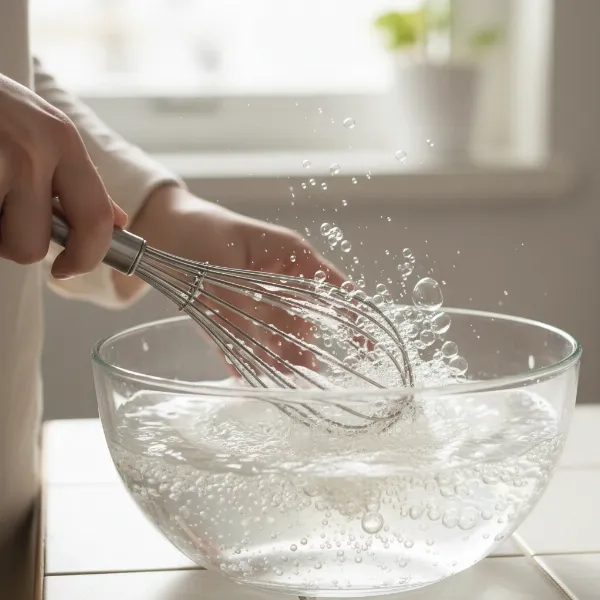
Achieving perfectly smooth, lump-free pancake batter is the secret to fluffy, delightful pancakes. If you’ve ever battled with stubborn flour pockets or overmixed your batter into a tough, chewy consistency, you know the frustration. The right whisk, combined with proper technique, can transform your morning routine, ensuring every pancake is light, airy, and evenly cooked. Join us as we explore the essential whisks and expert tips to master your pancake batter, leaving lumps in the past and embracing breakfast perfection.
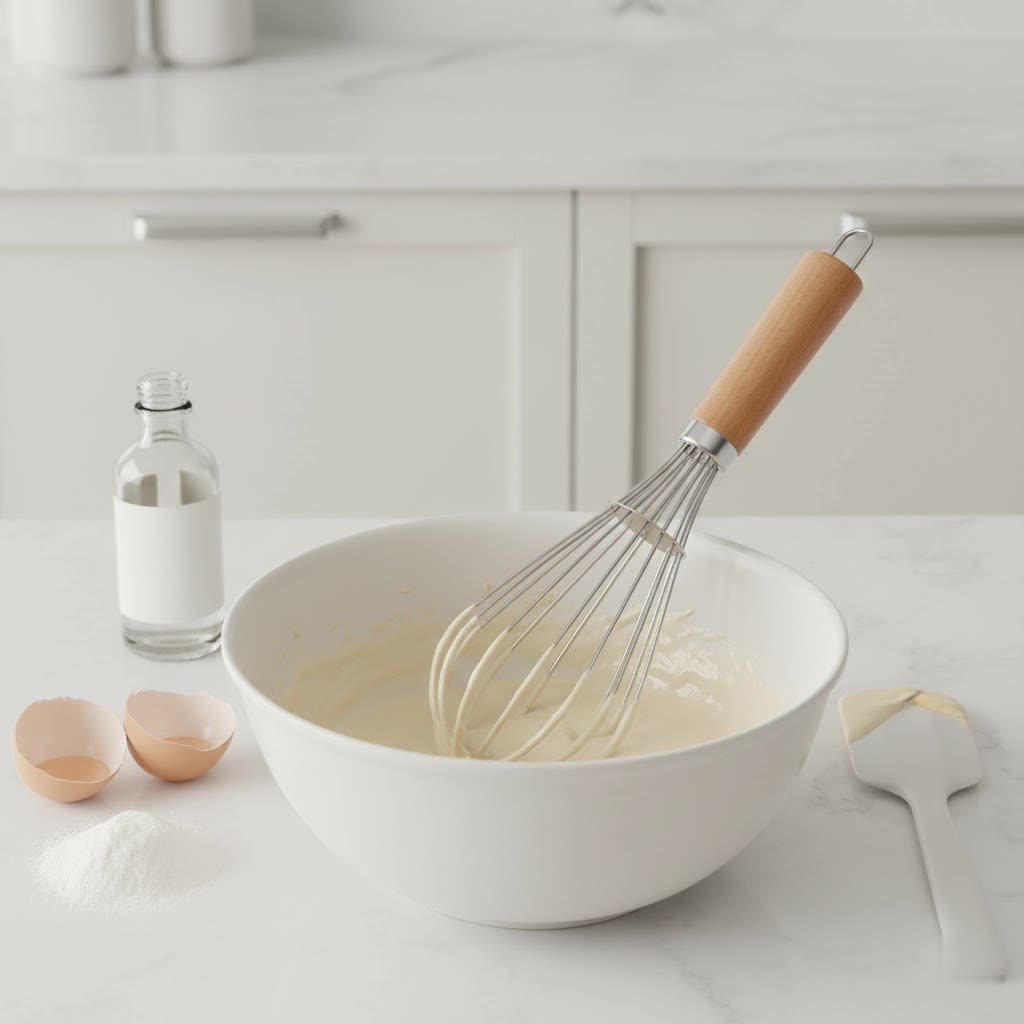
What is a Whisk and Why Do You Need One for Pancakes?
A whisk is a fundamental kitchen tool designed to blend ingredients smoothly and incorporate air into mixtures. Its structure, typically a handle with multiple wire loops, allows it to efficiently break up clumps and create a uniform consistency. While humble in appearance, its role in the kitchen is indispensable for everything from whipping egg whites to emulsifying dressings.
For pancake batter, a whisk serves several crucial functions. It effectively combines dry ingredients like flour, baking powder, and sugar, breaking down any initial lumps of flour before liquids are introduced. When adding wet ingredients, the whisk’s design helps to gently integrate them, preventing streaks of dry flour while minimizing overmixing. This dual action ensures a well-combined batter that’s free from unpleasant dry pockets, yet still retains the delicate structure needed for fluffy pancakes.
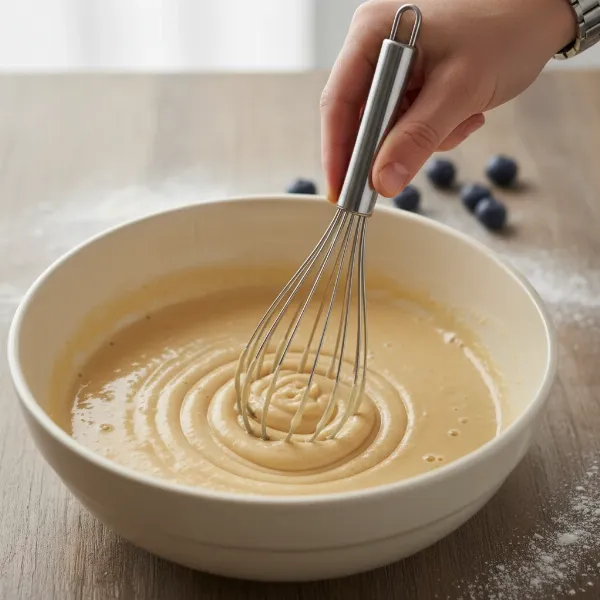 A hand using a balloon whisk to gently mix pancake batter in a ceramic bowl, showing a smooth consistency with a few small, natural lumps.
Classifying Whisks for Perfect Pancake Batter
Not all whisks are created equal, and understanding their distinct designs can significantly impact your batter’s texture. For pancake preparation, specific whisk types excel in different aspects of the mixing process, from aerating to breaking down stubborn dry clumps.
Whisks for Aeration and Smoothness: The Balloon Whisk
Table is empty.The balloon whisk, often recognized by its wide, bulbous shape and numerous springy wires, is a go-to for many kitchen tasks requiring aeration. Its design maximizes the incorporation of air into mixtures, which is vital for creating light and fluffy pancake batter. The broad head allows it to sweep across the bottom and sides of a mixing bowl, ensuring thorough blending. When selecting a balloon whisk for pancakes, look for models with relatively stiff wires that can effectively cut through thicker batter without bending excessively, offering both aeration and efficient mixing.
Whisks for Breaking Up Dry Lumps: The Dough Whisk and Spiral Whisk
For tackling the initial dry ingredients and ensuring no flour pockets remain, the dough whisk and spiral whisk are exceptional. A dough whisk, also known as a Danish dough whisk, features a unique, open-loop design that cuts through thick batters and doughs with minimal effort, effectively scraping away flour clumps without overworking the mixture. Its sturdy construction makes it ideal for integrating dry ingredients thoroughly. Similarly, the spiral whisk, with its angled head and coiled wire, maintains constant contact with the bottom of the bowl. This design is particularly adept at breaking up small clumps of dry ingredients and ensuring a smooth, uniform start to your batter.
Whisks for Versatility and Specific Cookware: The French Whisk and Silicone Whisk
The French whisk offers a slimmer, more tapered profile compared to the balloon whisk, often with slightly thicker, more closely spaced wires. This design makes it highly versatile, capable of handling thicker batters and reaching into the corners of bowls more effectively, ensuring all ingredients are fully incorporated. Meanwhile, silicone whisks are a modern kitchen marvel, typically featuring stainless steel wires coated in silicone. They are perfect for use with non-stick cookware, protecting your pans from scratches while offering the same excellent mixing performance as their metal counterparts. If your favorite mixing bowl is non-stick, a silicone-coated whisk is an invaluable addition.
Essential Factors When Choosing Your Pancake Whisk
Selecting the right whisk goes beyond just its type; several key factors contribute to its performance, durability, and ease of use, especially when aiming for lump-free pancake batter.
Material Matters: Stainless Steel vs. Silicone
The material of your whisk is paramount for both performance and longevity. Stainless steel whisks are highly durable, rust-resistant, and typically dishwasher safe, offering a long-lasting and hygienic option. They provide the necessary rigidity to effectively cut through batter and incorporate air. For those using non-stick mixing bowls or pans, silicone-coated whisks are an excellent choice. The silicone protects delicate surfaces from scratches while still delivering efficient mixing. While plastic whisks exist, they often lack the pliability and efficiency needed for optimal batter consistency and tend to be less durable.
Size and Shape: Matching the Whisk to Your Bowl
The size and shape of your whisk should ideally correspond to the size of your mixing bowl and the volume of batter you’re preparing. A large balloon whisk might be perfect for a substantial batch in a wide bowl, allowing for maximum aeration and coverage. However, a smaller French or spiral whisk could be more suitable for smaller quantities or narrower containers, ensuring all ingredients in the corners and bottom are reached. Having a variety of sizes can be beneficial, but for general pancake batter, a medium-to-large whisk that comfortably fits your primary mixing bowl is ideal.
Handle Comfort and Durability
A comfortable and durable handle is crucial, especially during vigorous whisking. Look for handles that are ergonomically designed, offering a secure, non-slip grip. Materials like silicone, soft-touch plastics, or well-finished wood can enhance comfort and reduce hand fatigue. The handle should also be robustly attached to the whisk head to prevent wobbling or breakage over time, ensuring your whisk stands up to years of enthusiastic pancake making.
Wire Stiffness and Flexibility
The balance between wire stiffness and flexibility directly impacts a whisk’s effectiveness. For pancake batter, you need wires stiff enough to break up flour clumps and cut through the thicker mixture, preventing resistance. However, they also need a degree of flexibility and springiness, particularly in balloon whisks, to efficiently incorporate air for that desirable fluffy texture. Whisks with too-flimsy wires will struggle with dense batter, while overly rigid ones might not provide enough aeration.
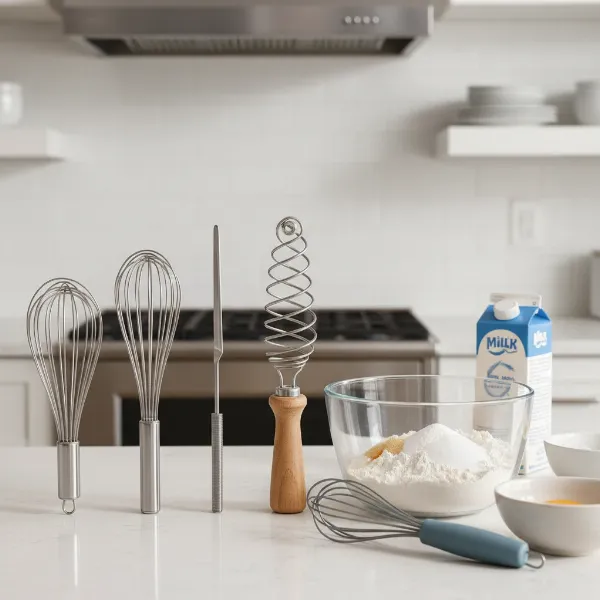 An assortment of whisks (balloon, French, dough, silicone) laid out on a kitchen counter with a bowl of pancake batter.
Comparing Top Whisk Types for Pancake Batter
When choosing a whisk specifically for pancake batter, it helps to understand the strengths and weaknesses of the most common types. Each offers unique advantages for achieving that perfect, lump-free consistency.
| Whisk Type | Material | Primary Use for Pancakes | Pros | Cons |
|---|---|---|---|---|
| Balloon Whisk | Stainless Steel / Silicone | Aeration, general mixing of wet batter | Excellent for incorporating air; versatile for many tasks | Can be too large for small bowls; less effective on stubborn dry clumps |
| French Whisk | Stainless Steel / Silicone | Thicker batters, reaching corners | Slimmer profile for thorough mixing in various bowls; good for emulsions | Slightly less aeration than balloon; wires can be too rigid for very light mixes |
| Dough Whisk | Stainless Steel | Initial dry ingredient mixing, thick batters | Exceptionally good at breaking up dry clumps without overmixing; ideal for dense batters | Not designed for significant aeration; less versatile for light whipping |
| Spiral Whisk | Stainless Steel / Silicone | Small batches, breaking dry clumps | Excels at contact with bowl bottom; great for small lumps and vinaigrettes | Limited aeration; best for smaller volumes |
Top Whisk Recommendations for Lump-Free Pancake Batter
Based on their design and effectiveness, certain whisk types stand out for their ability to deliver smooth pancake batter. While specific brands offer various models, focusing on the whisk’s core functionality will guide your choice.
| Whisk | Pros | Cons | Estimated Price Range |
|---|---|---|---|
| Premium Stainless Steel Balloon Whisk | Excellent for aeration, creating light and fluffy batter; durable and easy to clean. | May require a separate tool for truly stubborn dry flour clumps. | $15 – $30 |
| Heavy-Duty Dough Whisk | Unbeatable for breaking down dry flour lumps and mixing thicker batters without overworking gluten. | Minimal aeration; best used in conjunction with another whisk for fluffiness. | $10 – $25 |
| Silicone-Coated French Whisk | Versatile for various batter consistencies; gentle on non-stick surfaces; good for reaching bowl corners. | Slightly less robust for very thick mixtures compared to stainless steel. | $12 – $28 |
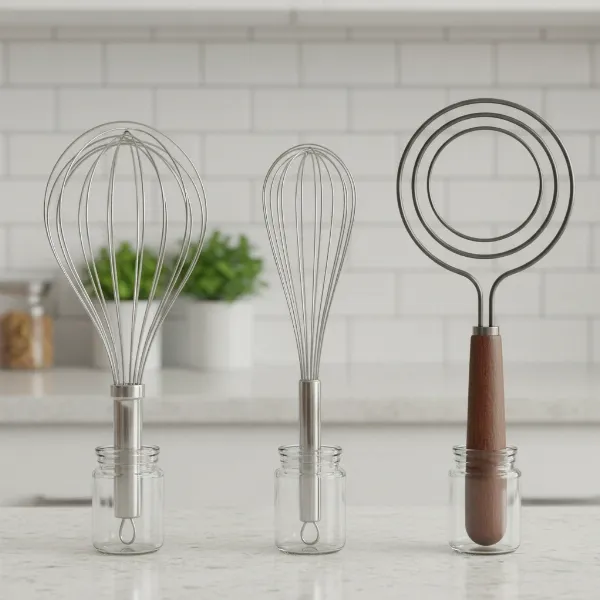 A visual comparison of a balloon whisk, a French whisk, and a dough whisk, highlighting their differences.
Your Ultimate Buying Guide for a Pancake Whisk
Choosing the perfect whisk for your pancake batter involves a thoughtful process. By considering your specific needs and understanding the available options, you can make an informed decision that enhances your breakfast preparation.
1. Determine Your Primary Needs: Start by thinking about how often you make pancakes and the typical batch size. Do you mostly make small batches for one or two, or large batches for a family? Do you use non-stick bowls frequently? This will help you decide on the appropriate size and material.
2. Understand Whisk Types and Their Strengths: As discussed, balloon whisks are excellent for aeration, dough whisks for breaking dry clumps, and French whisks offer versatility. A silicone-coated whisk is a must if you use non-stick cookware. Knowing these distinctions will guide you towards the most effective tool.
3. Prioritize Quality and Material: Invest in a whisk made from high-quality stainless steel for durability and hygiene. If non-stick compatibility is key, ensure the silicone coating is heat-resistant and food-grade. A well-constructed whisk will last longer and perform better.
4. Check for Ergonomics and Ease of Cleaning: Hold the whisk in your hand to assess its comfort. A non-slip handle is a significant advantage. Confirm if it’s dishwasher safe for easy cleanup, a small detail that makes a big difference in daily use.
5. Read User Reviews: While general recommendations are helpful, specific product reviews can offer insights into real-world performance, durability issues, and ease of use from other home cooks.
6. Purchase from Reputable Suppliers: Buy your whisk from trusted kitchenware stores or reputable online retailers to ensure you receive an authentic, high-quality product with good customer support.
Expert Tips for Using and Maintaining Your Whisk
Even with the best whisk, technique and care play a significant role in achieving ideal pancake batter and extending the life of your tool.
Mastering the Mix: Preventing Lumps and Overmixing
The key to lump-free and fluffy pancakes lies in a two-stage mixing process:
- Pre-whisk Dry Ingredients: Before adding any liquids, vigorously whisk your dry ingredients (flour, baking powder, sugar, salt) together in a bowl. This breaks up any flour clumps and evenly distributes leavening agents, ensuring a uniform foundation.
- Gradual Liquid Addition & Gentle Mixing: Create a well in the center of your dry ingredients. Gradually pour in your wet ingredients while gently whisking from the center outwards. Stir just until the wet and dry ingredients are combined. A few small lumps are perfectly acceptable – and even desirable! Overmixing develops gluten in the flour, leading to tough, rubbery pancakes.
- Rest the Batter: Allow your mixed batter to rest for 10-15 minutes at room temperature before cooking. This crucial step allows the flour to fully hydrate and any remaining small lumps to soften, resulting in a smoother, more tender pancake.
> “The biggest mistake people make with pancake batter is overmixing. A few small lumps are not just fine; they’re a sign you haven’t overdeveloped the gluten, which is essential for truly fluffy pancakes.” – Chef Anya Sharma, Culinary Instructor specializing in Breakfast Cuisine
Cleaning and Storing Your Whisk for Longevity
Proper care ensures your whisk remains a reliable kitchen companion:
- Immediate Cleaning: Rinse your whisk immediately after use to prevent batter from drying and sticking to the wires.
- Dishwasher Safe: Most stainless steel and silicone whisks are dishwasher safe, making cleanup a breeze. However, always check manufacturer instructions.
- Hand Washing: For whisks not suitable for dishwashers or for a quick clean, use warm, soapy water and a brush to get between the wires.
- Drying: Ensure your whisk is thoroughly dry before storing to prevent rust, especially for stainless steel models.
- Storage: Store whisks in a utensil crock or hang them from a hook to prevent tangling and damage to the wires.
Common Whisking Mistakes and How to Fix Them
- Overmixing: The most common error. If your pancakes are dense and chewy, you’re likely overmixing. Remember to mix only until just combined, even if a few lumps persist.
- Undermixing: While overmixing is bad, completely undermixing (leaving large pockets of dry flour) will result in unevenly cooked pancakes. The pre-whisking of dry ingredients is key to preventing this.
- Wrong Whisk Size: Using a whisk that’s too small or too large for your bowl can make effective mixing difficult. Match the whisk size to your bowl for optimal contact and efficiency.
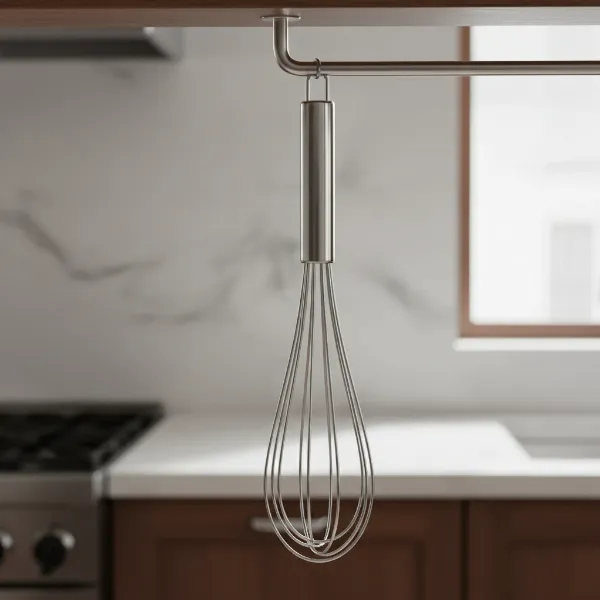 A clean stainless steel whisk hanging on a hook, with a blurry background of a tidy kitchen.
Conclusion
Creating consistently lump-free and delightfully fluffy pancakes starts with choosing the right whisk and employing smart mixing techniques. Whether you opt for the aerating power of a balloon whisk, the lump-busting efficiency of a dough whisk, or the versatile grace of a French whisk, understanding its strengths will empower your breakfast endeavors. Remember to always pre-whisk dry ingredients, mix wet and dry components gently until just combined, and allow your batter to rest. With these insights, you’re well on your way to mastering the art of the perfect pancake. What new whisk will you add to your arsenal to elevate your next pancake breakfast?
Frequently Asked Questions
Why is my pancake batter always lumpy?
Lumpy pancake batter often results from insufficient mixing of dry ingredients before liquids are added, or from rushing the initial incorporation of wet into dry ingredients. Flour naturally clumps, so thorough pre-whisking of dry components is crucial.
Should pancake batter be completely smooth?
No, pancake batter should not be completely smooth. Overmixing to achieve a perfectly smooth batter overdevelops gluten, leading to tough, dense pancakes. A few small lumps from hydrated flour are generally desirable and contribute to a fluffy texture.
Can I use an electric mixer for pancake batter?
While an electric mixer can be used, it significantly increases the risk of overmixing and developing gluten, which can make pancakes tough. A hand whisk is generally recommended for pancake batter as it allows for more control and gentle mixing.
How does resting the batter help?
Resting pancake batter for 10-15 minutes allows the flour to fully hydrate and absorb the liquids. This process helps any small lumps dissolve or soften naturally, and also allows the gluten to relax, resulting in a more tender and evenly textured pancake.
What’s the best whisk size for pancake batter?
A medium to large whisk (around 10-12 inches) is generally best for pancake batter, as it provides enough reach and surface area to efficiently mix ingredients in most standard mixing bowls. The specific type (balloon, French, dough) also matters more than just size.
Are silicone whisks good for pancake batter?
Yes, silicone whisks are an excellent choice for pancake batter, especially if you are using non-stick mixing bowls or cookware. They offer the same effective mixing and aeration capabilities as stainless steel whisks while protecting your surfaces from scratches.