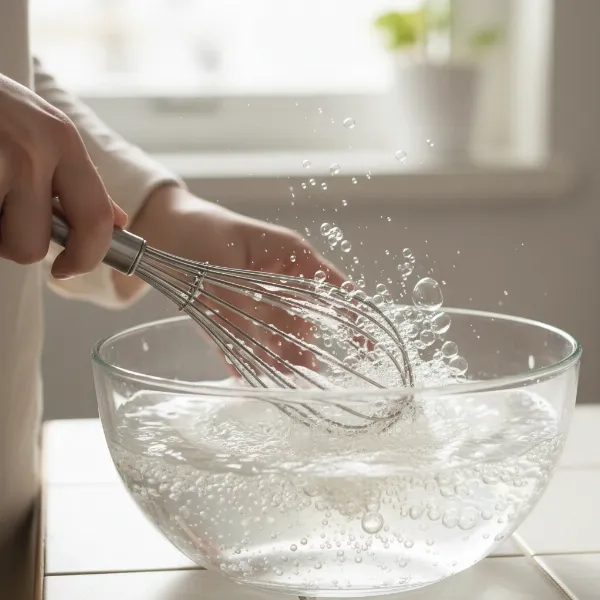
The magic of perfectly melted chocolate transforms ordinary desserts into extraordinary delights. But achieving that silky smooth texture without burning or seizing can be a delicate dance. Many home bakers and professional chefs understand that the secret often lies not just in technique, but in the tools you choose. A high-quality, heat-safe whisk is an indispensable ally in your quest for molten perfection, ensuring even heat distribution and a luxurious finish every time. Let’s dive into the world of whisks designed to handle the heat, making your chocolate melting endeavors effortless and enjoyable.
What is a Whisk and Why Do You Need One for Melting Chocolate?
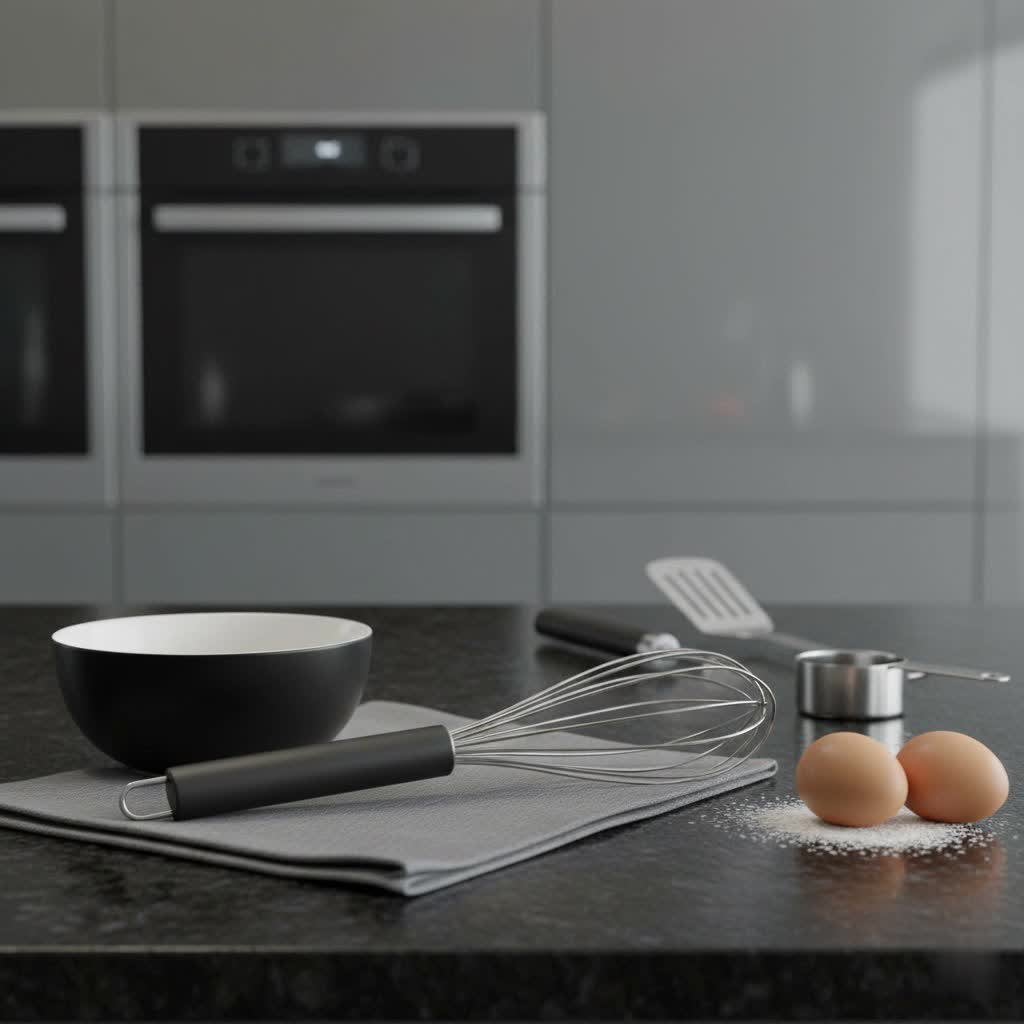
At its core, a whisk is a kitchen utensil designed to blend ingredients smoothly and incorporate air into mixtures. For melting chocolate, its primary role is to provide continuous, gentle agitation, which is crucial for achieving a uniform, lump-free consistency. Chocolate is sensitive to heat; uneven heating or too rapid a temperature increase can cause it to burn or “seize,” turning it into a gritty, unworkable mess. A whisk’s wire loops efficiently distribute heat throughout the chocolate, preventing hot spots and promoting a gradual, controlled melt. While whisks have evolved from simple bundles of twigs to modern designs, today’s heat-safe options are specifically engineered to withstand high temperatures, making them ideal for use over double boilers or in hot bowls.
Types of Heat-Safe Whisks for Melting Chocolate
Not all whisks are created equal, especially when dealing with the nuanced demands of melting chocolate. Choosing the right type, with the appropriate heat resistance, is paramount for both safety and superior results.
Silicone Whisks for Melting Chocolate
Table is empty.Silicone whisks are often the top recommendation for melting chocolate, particularly if you’re working with non-stick or enameled cookware. Their non-abrasive, flexible silicone coating protects delicate surfaces from scratches, a common concern with metal whisks. These whisks typically boast impressive heat resistance, often enduring temperatures up to 600°F (315°C) or 240°C, ensuring they won’t melt or warp under the heat required for melting chocolate. While their flexibility might mean they are slightly less rigid than their all-metal counterparts, the benefits of protecting your cookware and providing a gentle stir are significant.
Stainless Steel Whisks (with Heat-Resistant Handles)
Stainless steel whisks are the workhorses of many kitchens, prized for their durability and corrosion resistance. When selecting a stainless steel whisk for melting chocolate, the key is to ensure it has a robust, heat-resistant handle. Some handles, especially those made from certain plastics or non-heat-safe silicones, can melt if left resting on the edge of a hot pot. Full stainless steel construction offers maximum durability and heat tolerance for the wires, making them excellent for use over a double boiler with stainless steel bowls. Their rigidity allows for efficient stirring, helping to break down chocolate chunks quickly.
Mini Whisks for Small Batches
For precision tasks or when melting smaller quantities of chocolate, a mini whisk is an invaluable tool. These smaller versions, available in both silicone-coated and stainless steel varieties, offer greater control and can easily navigate tight spaces like small bowls or measuring cups. They are perfect for preparing chocolate drizzles, garnishes, or small batches of ganache where larger whisks might be cumbersome.
Factors to Consider When Choosing a Whisk for Melting Chocolate
Selecting the perfect whisk involves more than just picking the first one you see. Several factors contribute to a whisk’s effectiveness and safety, particularly when melting delicate ingredients like chocolate.
Material (Silicone vs. Stainless Steel)
The material of your whisk is perhaps the most critical consideration. Silicone-coated whisks are excellent for non-stick and ceramic pots and bowls, preventing scratches while offering high heat resistance. Always check the specific temperature rating, as it can vary. For instance, many silicone whisks are heat-safe up to 600°F (315°C). Stainless steel whisks, on the other hand, are incredibly durable and won’t rust. They are ideal for use with metal bowls and are often preferred by professionals for their rigidity and longevity. If using stainless steel, ensure the handle material is also genuinely heat-safe.
Size and Shape
The size and shape of your whisk directly impact its performance for melting chocolate.
- Balloon whisks, with their broad, rounded wires, are versatile and effective for general mixing, especially when you need to gently incorporate air into slightly cooled chocolate for mousses or light ganaches.
- Flat whisks (or “roux whisks”) are designed with a flatter profile, making them excellent for scraping the bottom and corners of a pan, ensuring no chocolate burns or sticks. This is particularly useful for making smooth chocolate sauces.
- Mini whisks provide precision for small quantities, preventing waste and ensuring thorough mixing in confined spaces.
For melting chocolate, a medium-sized whisk (around 9-11 inches) is often a good all-rounder, offering a balance of control and efficiency.
Handle Comfort and Heat Protection
A comfortable, non-slip handle is essential for sustained stirring, especially when working over heat. Look for ergonomic designs that fit well in your hand, reducing fatigue. Crucially, the handle material should also be heat-resistant. While silicone-coated wires are great, some whisk handles, even on otherwise heat-safe models, can melt if left resting on a hot pan’s edge. Opt for handles made of durable, heat-safe silicone, sturdy plastic with a high melting point, or solid stainless steel that dissipates heat effectively.
Durability and Ease of Cleaning
Durability ensures your whisk will last through countless batches of melted chocolate. Stainless steel cores and high-quality silicone coatings contribute to a whisk’s longevity. Ease of cleaning is also a significant factor; most silicone and stainless steel whisks are dishwasher-safe, making cleanup a breeze. However, whisks with complex designs or less robust handles might benefit from hand washing to prolong their lifespan.
Comparing Popular Heat-Safe Whisks for Chocolate
Understanding the distinctions between whisk types can help you make an informed decision for your chocolate melting needs.
| Whisk Type | Material | Key Benefit for Chocolate Melting | Considerations |
|---|---|---|---|
| Silicone Balloon Whisk | Silicone-coated wires, often with stainless steel core | Non-scratch for non-stick cookware, versatile for aeration and general stirring | Heat resistance can vary, may be less rigid than metal |
| Stainless Steel Flat Whisk | Full stainless steel or stainless steel with heat-resistant handle | Excellent for scraping pan bottoms, durable, precise for sauces | Can scratch non-stick surfaces, ensure handle is heat-safe |
| Mini Silicone Whisk | Silicone-coated wires, often with stainless steel core | Ideal for small batches, precision, gentle on small bowls | Limited volume capacity, best for delicate tasks |
| Stainless Steel Balloon Whisk | Full stainless steel or stainless steel with heat-resistant handle | Highly durable, efficient for vigorous stirring over double boiler | Can scratch non-stick, check handle for heat-safety |
Top Heat-Safe Whisks for Melting Chocolate: Our Recommendations
Finding the right tool can make all the difference. Based on performance, material quality, and heat safety, here are some top contenders for melting chocolate.
| Whisk | Pros | Cons | Estimated Price |
|---|---|---|---|
| OXO Good Grips 11-inch Better Silicone Balloon Whisk | Silicone-coated wires (up to 600°F/315°C), non-scratch, comfortable non-slip handle, versatile | Handle material might melt if left directly on hot pan | $12 – $15 |
| Rösle 27cm Flat Whisk with Silicone | Flat design for scraping pan corners, heat resistant (up to 260°C), non-scratch, professional grade | Heavier feel, less ideal for aeration | $25 – $35 |
| GreenPan Silicone Whisk | Silicone-wrapped wires, specifically designed for non-stick pans, good ergonomics | May come in limited sizes | $15 – $20 |
| Kuhn Rikon Silicone Rainbow Whisk | Compact, silicone wires protect pans, vibrant colors, good for smaller tasks | Primarily a small whisk, not for large quantities | $15 – $20 |
| Generic High-Quality Stainless Steel Whisk (with fully heat-resistant handle) | Exceptional durability, efficient for double boiler, doesn’t react with foods | Can scratch non-stick surfaces, ensure handle is truly heat-safe for prolonged contact | $10 – $25 |
Whisk Buying Guide for Chocolate Enthusiasts
Choosing the best whisk for melting chocolate ultimately comes down to your personal melting habits and kitchen setup. Consider these points before making your purchase:
- Identify Your Primary Melting Method: Do you mostly use a double boiler, microwave, or direct heat (e.g., in a non-stick saucepan)? This will guide your material choice. Silicone is ideal for direct melting in non-stick, while stainless steel shines for double boilers.
- Evaluate Batch Size: For small, intricate tasks, a mini whisk offers unparalleled control. For larger quantities or general use, a standard balloon or flat whisk is more appropriate.
- Check Heat Resistance: Always verify the whisk’s stated heat resistance for both its wires and handle. This is crucial for safety and preventing damage.
- Prioritize Comfort: A comfortable, non-slip handle will significantly improve your experience, especially during longer stirring sessions.
- Read Reviews: Look for user feedback specifically regarding heat performance and durability in melting applications.
- Consider Versatility: While you’re looking for a chocolate whisk, a versatile heat-safe whisk can also handle sauces, gravies, and batters, making it a valuable addition to your kitchen arsenal.
Tips for Using and Caring for Your Chocolate Whisk
Even with the best whisk, proper technique and care are essential for achieving perfect results and extending your tool’s lifespan.
How to Use Your Whisk for Melting Chocolate Effectively
- Double Boiler Method: This is the most controlled method. Place your chopped chocolate in a heat-safe bowl set over a saucepan of simmering water. Ensure the bottom of the bowl does not touch the water. Stir gently and continuously with your heat-safe whisk as the chocolate melts from the steam’s indirect heat. This consistent motion prevents burning and encourages a smooth texture.
- Microwave Method: When using the microwave, chop your chocolate into small, uniform pieces. Heat in short bursts (15-30 seconds), stirring vigorously with your whisk after each interval. Remove the chocolate when it’s mostly melted but still has a few small lumps, and continue whisking until completely smooth using residual heat. This prevents overheating and seizing.
- Avoid Direct High Heat: Never melt chocolate directly over high heat on a stovetop, as it burns easily. If using direct heat on low, use a silicone whisk to protect your pan and stir constantly.
- Prevent Seizing: The slightest bit of water can cause chocolate to seize and become clumpy. Ensure your whisk and bowl are completely dry before use. If chocolate seizes, a common fix is to whisk in a tablespoon of scalding hot cream or melted butter, but prevention is always best.
Cleaning and Preserving Your Heat-Safe Whisk
- Immediate Cleaning: For easier cleaning, rinse your whisk immediately after use before chocolate has a chance to harden on the wires.
- Dishwasher Safe: Most modern silicone and stainless steel whisks are dishwasher safe, making cleanup effortless. Place them in the utensil basket.
- Hand Washing: For whisks with more delicate handles or if you prefer to prolong their life, hand wash with warm, soapy water. Use a brush to get between the wires if necessary.
- Storage: Store your whisks in a way that prevents the wires from bending or getting tangled with other utensils, which can deform them over time.
> “The right whisk transforms the chore of melting chocolate into an art form, giving you silky, glossy results that elevate any dessert.” – Chef Elena Rodriguez, Master Chocolatier
Conclusion
Mastering the art of chocolate melting is a rewarding endeavor, and the right heat-safe whisk is your most valuable companion on this journey. Whether you opt for the non-stick prowess of silicone or the robust efficiency of stainless steel, a well-chosen whisk ensures consistent, lump-free results every time. By understanding the different types, considering essential factors like material and handle comfort, and following proper usage and care tips, you’re well on your way to creating decadent chocolate creations with confidence and ease. So, equip your kitchen with the perfect heat-safe whisk and unlock a world of flawless chocolate confections. What exquisite chocolate creation will you embark on next with your perfectly melted chocolate?
Frequently Asked Questions
Can I use a metal whisk in a non-stick pan for melting chocolate?
It’s generally not recommended to use a metal whisk in non-stick or enameled pans, as the metal wires can scratch and damage the protective coating. For these types of cookware, a silicone-coated whisk is the best choice to ensure both effective stirring and pan longevity.
What temperature can silicone whisks typically withstand?
High-quality silicone whisks are designed to be extremely heat-resistant, often capable of withstanding temperatures ranging from 400°F (200°C) to 600°F (315°C). Always check the manufacturer’s specifications for the exact heat rating of your specific whisk.
Why does chocolate seize when melting, and how can a whisk help?
Chocolate seizes, turning lumpy and thick, typically due to contact with even a tiny amount of water or being exposed to excessively high heat too quickly. A whisk helps by promoting constant, even stirring, which prevents localized overheating and ensures smooth, consistent melting without shock.
What’s the best whisk size for melting chocolate?
For most chocolate melting tasks, a medium-sized whisk (around 9 to 11 inches) offers a good balance of maneuverability and efficiency. For smaller quantities or intricate work, a mini whisk provides superior control in smaller bowls.