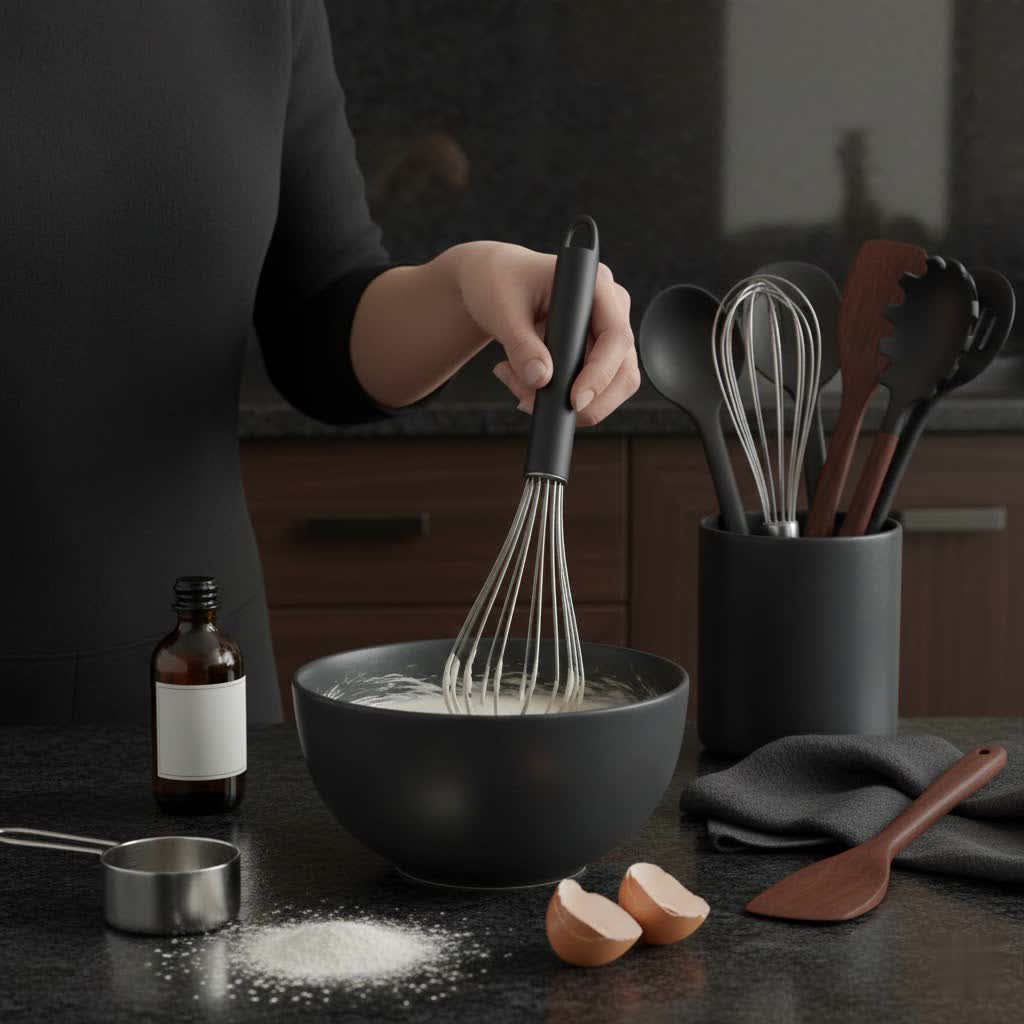
Hollandaise sauce, a cornerstone of classic French cuisine, is renowned for its rich, buttery flavor and silken texture. While seemingly complex, mastering this delicate emulsion hinges significantly on one crucial kitchen tool: the whisk. A well-chosen whisk is not just an accessory; it’s the conductor of the culinary symphony, transforming simple ingredients into a luxurious topping that elevates dishes from eggs Benedict to roasted asparagus. This guide will navigate the world of whisks, helping you pinpoint the perfect companion for crafting flawless Hollandaise every time.
What is a Whisk and Why is it Essential for Hollandaise?
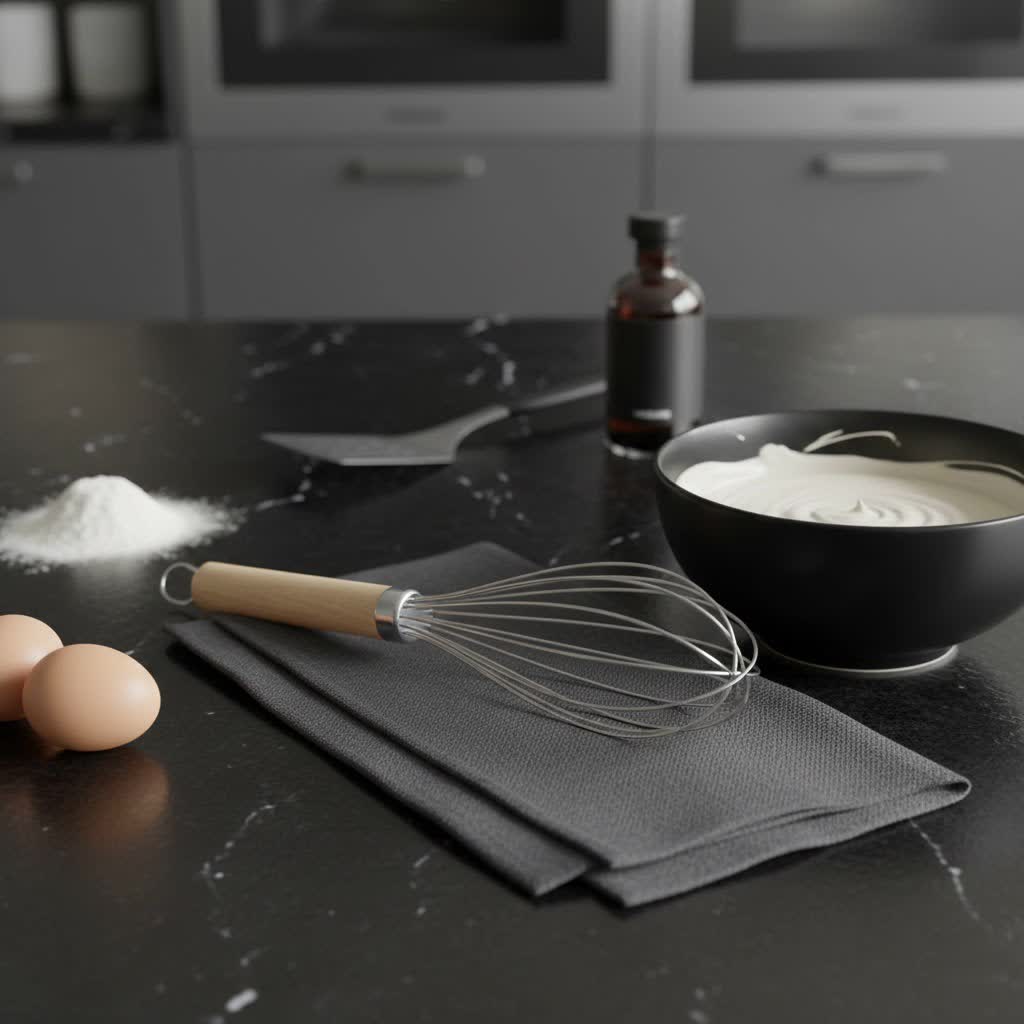
A whisk is a kitchen utensil designed primarily for blending ingredients smooth, incorporating air into mixtures, and creating emulsions. Its form, typically a handle with a series of wire loops, allows for rapid agitation, which is critical for many culinary processes. Historically, cooks used bundles of twigs to achieve similar results, highlighting the long-standing need for effective aeration and mixing.
For Hollandaise sauce, the whisk’s role is particularly vital. This classic sauce is an emulsion of egg yolks, melted butter, and an acid like lemon juice. The whisk’s continuous and vigorous motion breaks the butter into minute droplets, which are then dispersed evenly throughout the egg yolk and acid mixture. Simultaneously, the whisk incorporates tiny air bubbles, which contribute to the sauce’s light, airy texture and prevent the egg yolks from curdling under heat. Without the precise and consistent agitation a good whisk provides, Hollandaise would likely separate into a greasy, lumpy mess rather than the smooth, cohesive sauce we crave.
Classifying Whisks by Their Primary Design and Application
The world of whisks is more diverse than many home cooks realize, with each type offering distinct advantages for different tasks. Understanding these variations is key to choosing the best whisk for your Hollandaise.
Balloon Whisks: The All-Purpose Kitchen Workhorse
Table is empty.Balloon whisks, characterized by their wide, bulbous shape and numerous thin wires, are perhaps the most common whisk found in kitchens. Their design is optimized for incorporating a significant amount of air, making them ideal for tasks like whipping egg whites into stiff peaks, aerating heavy cream, or mixing lighter batters. While versatile for general use, their broad shape can sometimes make it challenging to reach the corners and edges of smaller saucepans, which is a common vessel for making Hollandaise.
French Whisks: The Sauce Master’s Choice
French whisks are often considered the connoisseur’s choice for sauce making, and for good reason. These whisks feature a more elongated and narrower profile than balloon whisks, with wires that are typically slightly thicker and more rigid. This design allows them to make excellent contact with the bottom and sides of a saucepan, ensuring thorough and consistent stirring. Their shape is particularly adept at creating stable emulsions like Hollandaise and mayonnaise, as they facilitate precise mixing and aeration without oversaturating the mixture with air, which can sometimes destabilize delicate sauces.
Flat Whisks (Roux Whisks): Perfect for Shallow Pans
Also known as roux whisks, flat whisks have a distinctive flattened shape, almost like a balloon whisk that has been pressed. This unique design allows them to lie flatter against the bottom of a shallow pan, maximizing surface contact. For Hollandaise made in a sauté pan or a wider, shallower saucepan, a flat whisk excels at scraping every inch of the pan, preventing hot spots and ensuring all ingredients are thoroughly combined and emulsified. This characteristic is particularly useful for achieving a lump-free texture and preventing sticking.
Spiral Whisks and Conical Whisks: Specialized for Contact and Corners
Spiral whisks feature a single coiled wire head, often angled, which is designed to maintain constant contact with the bottom of the pan. This continuous contact is invaluable for breaking up any potential lumps and ensuring even heating, making them a great option for lump-free sauces and gravies. Conical whisks, with their cone-shaped design, are excellent for reaching into the tight corners of pots and bowls, effectively acting as a scraper while whisking. Both types offer precision, especially in smaller quantities or specific pan geometries, contributing to a smooth Hollandaise.
Key Factors When Selecting a Whisk for Hollandaise Success
Choosing the right whisk for Hollandaise goes beyond just type; several other factors play a critical role in performance and user experience.
Material Matters: Stainless Steel vs. Silicone
The material of your whisk significantly impacts its utility. Stainless steel whisks are highly durable, resistant to rust and corrosion, and non-reactive with acidic ingredients like lemon juice, making them a professional favorite. They offer the rigidity needed for vigorous whisking and are often dishwasher safe. However, metal wires can scratch non-stick cookware. For those using non-stick saucepans, silicone-coated whisks are a superior choice. These whisks protect your cookware from scratches, are typically heat-resistant, and offer a quieter whisking experience. Ensure the silicone coating is robust and doesn’t easily peel or break.
Size, Shape, and Wire Flexibility
For Hollandaise, which is often made in smaller quantities and in saucepans, the size and shape of the whisk are paramount. A whisk that is too large will be cumbersome and less effective at reaching the edges of the pan. French, flat, spiral, or conical whisks, with their narrower or more contact-friendly designs, tend to perform better in these specific environments. The flexibility of the wires is also crucial; while a certain rigidity is needed for effective agitation, wires that are too stiff won’t provide the necessary “spring” to aerate and emulsify delicate sauces properly. Thin, flexible wires that are numerous enough to create consistent movement are ideal.
Ergonomics: Handle Comfort and Grip
Making Hollandaise requires continuous whisking, often for several minutes. A comfortable and ergonomic handle is essential to prevent hand fatigue. Look for handles that fit well in your hand, have a non-slip grip (silicone or molded plastic are excellent), and are not top-heavy, which can cause the whisk to tip out of the bowl. A secure and comfortable grip ensures better control and efficiency during the entire whisking process.
Durability and Ease of Cleaning
A high-quality whisk should be built to last. Check for secure connections between the handle and the wires; poorly constructed whisks can loosen over time. A sealed handle prevents water and food particles from entering, which can lead to corrosion or bacterial growth. Many modern whisks are dishwasher safe, offering convenience, but always check manufacturer instructions to ensure longevity.
Detailed Comparison of Popular Whisk Types for Sauce Making
Understanding the nuanced differences between whisk types helps in selecting the optimal tool for Hollandaise and other delicate sauces.
| Whisk Type | Material (Common) | Shape | Key Benefits for Hollandaise | Potential Drawbacks for Hollandaise |
|---|---|---|---|---|
| French Whisk | Stainless Steel | Narrow, elongated | Excellent pan contact, efficient emulsification, precise stirring for delicate sauces | Can be less effective for aerating large volumes if wires are too stiff |
| Flat Whisk | Stainless Steel, Silicone | Flattened loops | Optimal for shallow pans, thorough scraping, prevents sticking and lumps | Less effective for incorporating significant air volume compared to balloon whisks |
| Spiral Whisk | Stainless Steel, Silicone | Single coiled wire at an angle | Constant contact with pan bottom, effectively breaks up lumps, good for smaller quantities | May not provide enough overall volume or intense aeration for certain recipes |
| Balloon Whisk | Stainless Steel, Silicone | Bulbous, wide loops | Good for aerating, general mixing, creating volume in lighter mixtures | Wider shape can make it harder to reach pan corners for thorough sauce mixing |
Top Whisks for Making Hollandaise Sauce: Our Expert Picks
Based on their design, material, and performance characteristics crucial for emulsifying Hollandaise, here are some top recommendations.
| Whisk Model (Example) | Key Advantages | Potential Disadvantages | Estimated Price Range |
|---|---|---|---|
| GIR Ultimate Stainless Steel Whisk | Extremely comfortable silicone grip, highly durable, versatile for various tasks beyond sauces. | Higher price point than some basic models. | $12-$20 |
| OXO Good Grips 11-Inch Balloon Whisk | Excellent overall performance, sturdy wires, renowned ergonomic non-slip handle for comfort. | While versatile, its wider shape might require more deliberate movement in very tight corners. | $10-$15 |
| Rösle Stainless Steel & Silicone Flat Whisk | Specifically designed for sauces in non-stick pans, superior scraping ability, heat resistant. | More specialized, less versatile for tasks requiring significant air incorporation. | $25-$35 |
| Williams Sonoma Stainless Steel French Whisk | Classic, elegant design, excellent for traditional French sauces and emulsions, robust construction. | Can be pricier, and traditional stainless steel may scratch non-stick surfaces. | $15-$25 |
> “The secret to a perfect Hollandaise isn’t just the ingredients or the heat; it’s the continuous, loving agitation from the right whisk that brings it all together.” – Chef Antoine Dubois, Culinary Instructor specializing in French Sauces
Buying Guide: How to Select Your Perfect Hollandaise Whisk
Navigating the array of whisks can be daunting, but a systematic approach will help you find your ideal tool.
- Assess Your Specific Needs: Consider the type of cookware you primarily use (stainless steel, non-stick) and the size of the saucepans you typically use for Hollandaise. A smaller, narrower whisk is often better for this task.
- Understand Whisk Types: Revisit the benefits of French, flat, spiral, and even balloon whisks in the context of Hollandaise. French or flat whisks are often preferred for their pan contact and emulsifying capabilities.
- Prioritize Material and Handle Comfort: Choose stainless steel for durability and non-reactivity, or silicone-coated for non-stick safety. Always test the handle for comfort and grip if possible.
- Read Reviews and Consider Reputable Brands: Brands like OXO, GIR, Rösle, and Williams Sonoma are known for quality kitchen tools. User reviews can offer practical insights into a whisk’s performance and longevity.
- Budget Considerations: High-quality whisks are an investment, but excellent options are available across various price points. Don’t compromise too much on quality for such a critical task.
Mastering Your Whisk: Tips for Using and Maintaining for Hollandaise
Possessing the right whisk is only half the battle; knowing how to use and care for it ensures Hollandaise perfection.
Optimal Whisking Technique
For Hollandaise, consistency is key. Whether using a double boiler or direct low heat, maintain a constant, vigorous whisking motion. Many chefs recommend a figure-eight or circular pattern that ensures the whisk covers the entire bottom and sides of the pan, preventing eggs from scrambling and promoting even emulsification. Engage your wrist, not just your arm, for fluid and sustained movement. Aim to lift the mixture slightly to incorporate air, contributing to the sauce’s characteristic lightness.
Cleaning and Storage
To extend the life of your whisk and maintain hygiene, clean it immediately after use. Food, especially egg and butter residue, can dry and become difficult to remove. For most whisks, a quick rinse under hot water with a little soap will suffice, or they can be placed in the dishwasher if indicated. Ensure no food particles are trapped within the wires. Store your whisk properly, ideally hanging it or in a utensil crock, to prevent the wires from bending or becoming misshapen.
Common Whisking Mistakes
Avoid overheating your Hollandaise base; this is the quickest way to scramble the eggs. If the pan gets too hot, lift it off the heat briefly while continuing to whisk. Insufficient whisking is another common error, leading to a broken or separated sauce. You need to whisk continuously until the emulsion forms and thickens. Lastly, using an incorrect whisk type can hinder success; a whisk too large or too flexible might not provide the precise agitation needed for delicate sauces.
Conclusion
Crafting a perfect Hollandaise sauce is a rewarding culinary achievement, and the journey begins with the right whisk. From the precise agitation of a French whisk to the pan-scraping efficiency of a flat whisk, each design offers unique benefits tailored to the delicate art of emulsification. By considering material, size, handle comfort, and durability, you can select a whisk that not only simplifies the process but also elevates your culinary creations. With the ideal whisk in hand and a dash of careful technique, you’re well on your way to consistently achieving that velvety, rich Hollandaise that truly sings on the plate. What culinary delight will you crown with your perfectly whisked Hollandaise next?
Frequently Asked Questions
Why is Hollandaise sauce often considered difficult to make by hand?
Hollandaise is notoriously tricky because it’s a delicate emulsion requiring precise temperature control and continuous, vigorous whisking to prevent the egg yolks from scrambling or the sauce from separating. The key lies in slowly incorporating melted butter into egg yolks while maintaining a consistent movement and gentle heat, a process where the wrong whisk can quickly lead to failure.
Can I use a regular balloon whisk for Hollandaise sauce?
While a balloon whisk can be used, a French whisk or a flat whisk is generally preferred for Hollandaise. A balloon whisk’s wider shape might struggle to reach into the corners of a small saucepan, which is crucial for even cooking and preventing sticking. A French whisk’s narrower profile allows for better pan contact and more efficient emulsification.
How do I prevent Hollandaise sauce from breaking or separating?
To prevent Hollandaise from breaking, ensure you whisk constantly and vigorously, especially when adding the butter in a slow, steady stream. Maintain a gentle, consistent heat (often over a double boiler) and remove the sauce from heat immediately once it begins to thicken. Using a whisk that provides good pan contact also helps distribute heat evenly and prevent curdling.
What is the main difference between a French whisk and a balloon whisk?
The main difference lies in their shape and wire rigidity. A balloon whisk is wide and bulbous with many thin, flexible wires, designed for incorporating air into large volumes. A French whisk is narrower and more elongated, often with slightly thicker, stiffer wires, making it ideal for constant stirring and emulsifying sauces in smaller, deeper pots, ensuring thorough contact with pan surfaces.