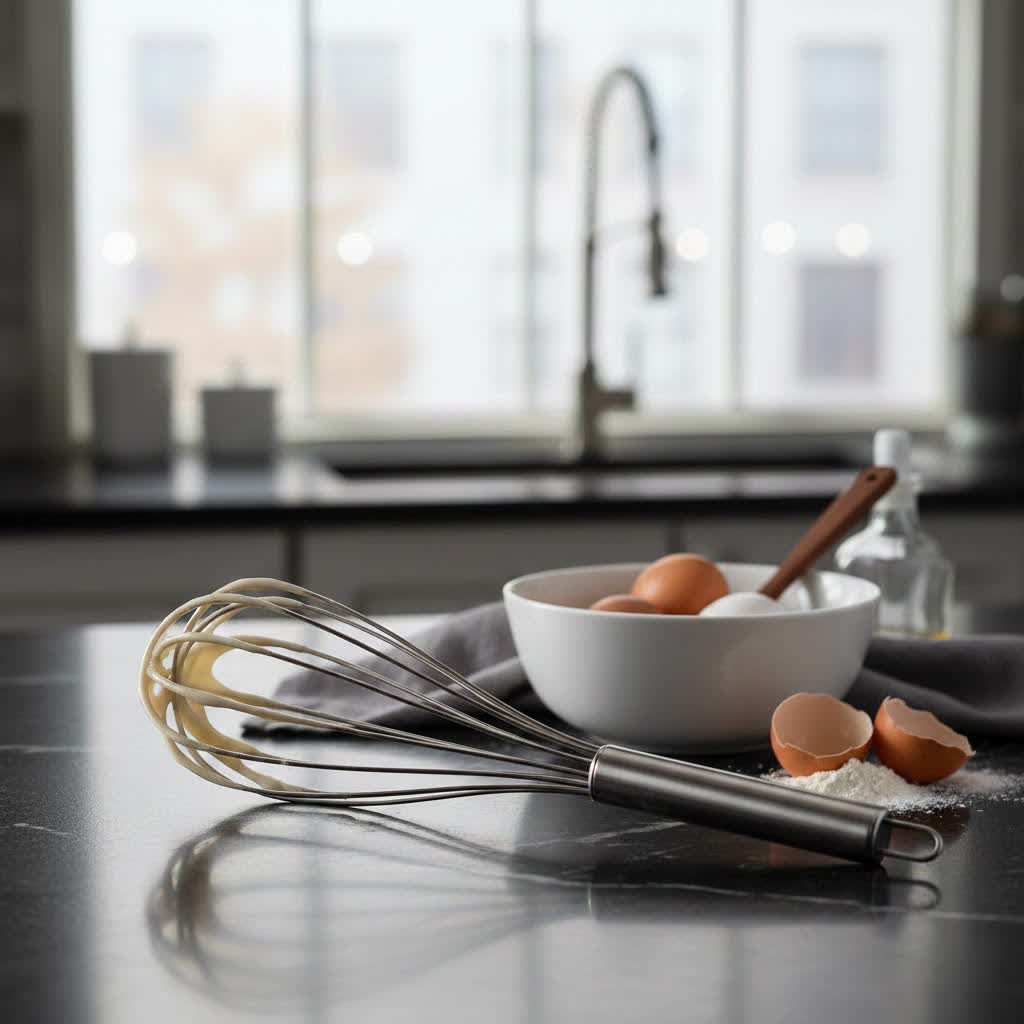
Navigating the culinary world, especially when tackling dense ingredients, often brings us face-to-face with a common challenge: thick batters. From hearty pancake mixes to robust bread doughs, standard whisks can often bend, warp, or simply fail to incorporate ingredients effectively, leaving you with lumpy results and tired arms. This is where the unsung hero of the kitchen, the heavy-duty whisk, steps in. Designed with superior strength, durability, and ergonomic comfort, a high-quality heavy-duty whisk transforms the arduous task of mixing thick batters into an efficient and even enjoyable experience. This comprehensive guide will explore the different types of heavy-duty whisks, the materials and features that make them essential, and offer top recommendations to help you find the perfect tool for your most demanding baking projects.
What is a Whisk and Why Do You Need a Heavy-Duty One?
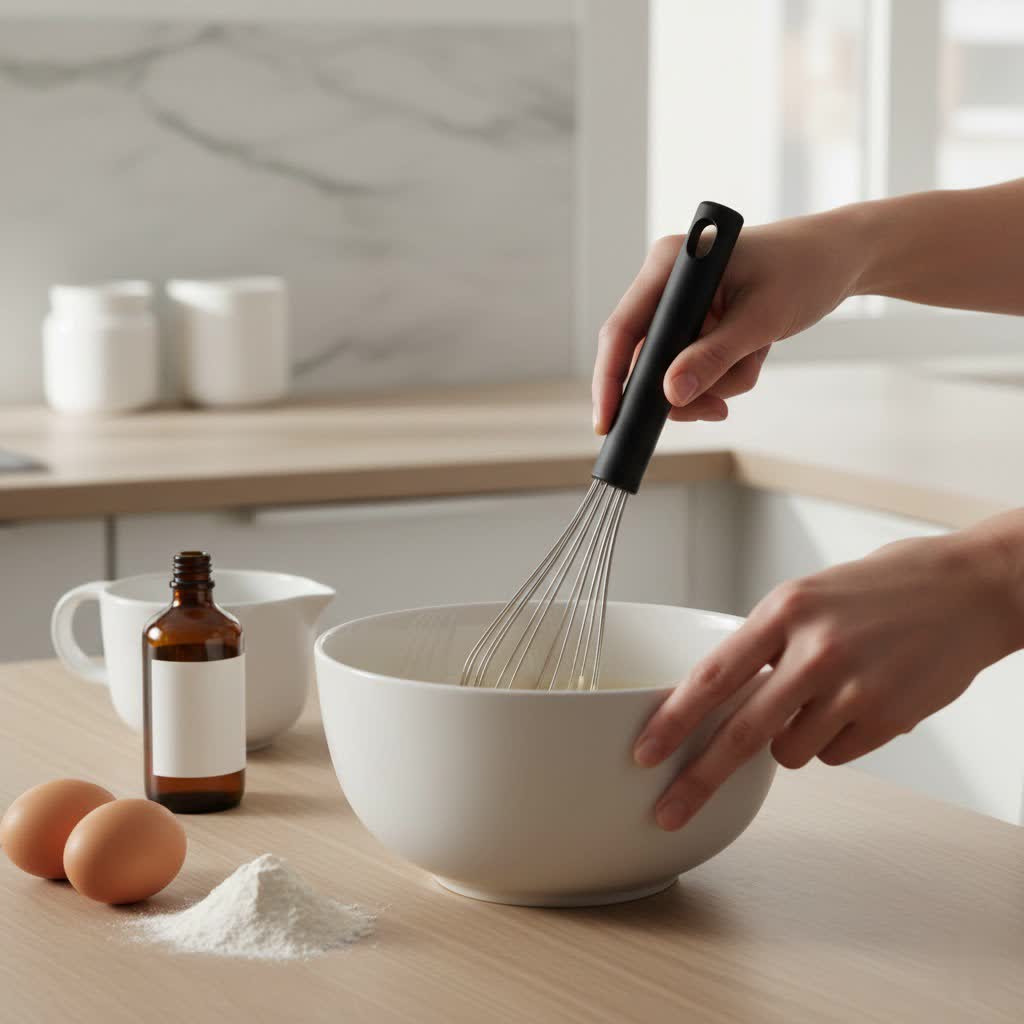
A whisk is a fundamental kitchen utensil composed of a series of loops of wire joined at a handle, primarily used for blending ingredients smooth, or for incorporating air into a mixture. Its origins can be traced back to bundles of twigs used for similar purposes, evolving over centuries into the coiled wire designs we recognize today. While a basic whisk excels at aerating egg whites or emulsifying salad dressings, its delicate structure is often no match for the resistance presented by thick batters, stiff doughs, or dense sauces.
For these challenging tasks, a heavy-duty whisk is indispensable. It features stronger, thicker wires and a more robust construction that prevents bending and twisting under pressure. This enhanced sturdiness ensures efficient ingredient incorporation, eliminates lumps, and significantly reduces the effort and arm fatigue associated with mixing dense mixtures. Investing in a heavy-duty whisk means consistently achieving smooth, well-combined batters, ultimately elevating the quality of your baking and cooking.
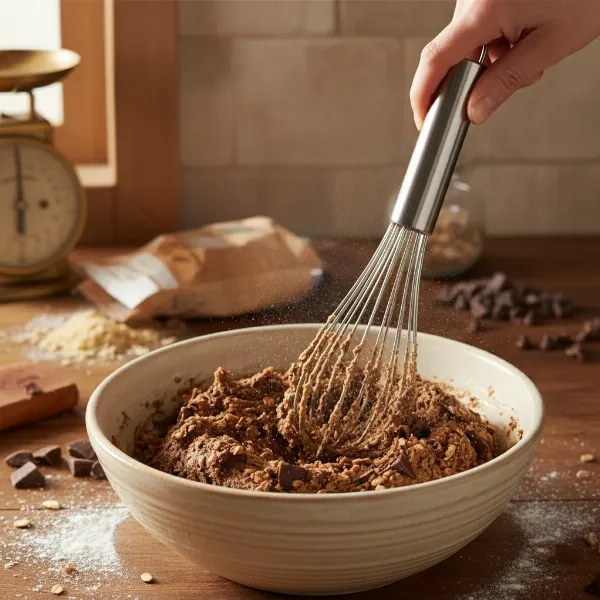 A strong stainless steel heavy-duty whisk mixing a thick chocolate chip cookie dough in a ceramic bowl. Professional kitchen style, high contrast.
Classifying Whisks by Their Design and Purpose
The world of whisks is more diverse than many realize, with each design catering to specific culinary needs. For heavy-duty tasks, understanding these variations is key to choosing the right tool.
Balloon Whisks: The All-Rounders
Table is empty.Often the most common type found in kitchens, balloon whisks feature numerous wires forming a bulbous shape. While traditionally associated with aerating lighter mixtures, heavy-duty balloon whisks exist with thicker, stiffer wires. These robust versions, like the OXO Good Grips 11″ Better Balloon Whisk, are praised for their ability to handle both airy egg whites and “heavy batches of dry ingredients”. Their broad head allows for maximum contact with ingredients, making them versatile for many baking tasks where general mixing and some aeration are required.
French Whisks: Precision and Power
French whisks are characterized by their more elongated, narrower shape and slightly tighter tines compared to balloon whisks. This design makes them exceptionally effective for emulsifying sauces, vinaigrettes, and reaching into the corners of smaller pots and bowls. Their sturdy construction often translates well to heavier liquids and batters that require thorough, consistent mixing without the need for significant aeration.
Flat Whisks: Scrapers and Smoothers
Also known as roux whisks, flat whisks have wires arranged in a single, flat layer. Their unique shape allows them to lie flat against the bottom of pans, making them ideal for incorporating flour into fats to create a smooth roux, or for mixing gravies and béchamel sauces. For thick, sticky sauces that tend to cling to the bottom of cookware, a sturdy flat whisk, such as the Rösle 27cm Flat Whisk with Silicone, can effectively scrape and combine ingredients without scratching non-stick surfaces, especially if it features a silicone head.
Danish Dough Whisks: The Ultimate for Dense Doughs
When it comes to exceptionally thick batters and dense doughs, the Danish dough whisk (also known as a “brodpisker”) stands in a league of its own. This specialty tool features stiff, thick wires twisted into concentric loops, designed to cut through and combine heavy mixtures with surprising ease. They are “specifically designed to handle heavy doughs — like those for biscuits, bread, or pasta”. Their long, often wooden, handles provide excellent leverage, keeping your hands clean and making light work of what would otherwise be a strenuous task. The Coson Home Danish Dough Whisk Set is a prime example of this type, offering superior value and efficiency for bakers.
Other Specialty Whisks
While less common for truly heavy-duty batter mixing, other whisk types exist. Ball whisks feature individual straight wires with balls at the ends, which excel at reaching corners and working flat surfaces. Spiral or coil whisks are great for small batches and breaking up dry ingredients, offering flexibility. However, for genuinely thick batters, the robust designs of heavy-duty balloon, French, or Danish dough whisks are typically preferred.
Key Factors When Choosing Your Heavy-Duty Whisk
Selecting the right heavy-duty whisk involves considering several critical aspects to ensure it meets your specific needs for mixing thick batters.
Material Matters: Stainless Steel vs. Silicone
The material of your whisk’s tines significantly impacts its performance and durability when faced with thick mixtures.
-
Stainless Steel: This is the gold standard for heavy-duty whisks. Stainless steel tines are stiff, responsive, and incredibly durable, making them highly effective at aerating, emulsifying, and breaking up ingredients in heavy batters. They offer excellent rebound, ensuring efficient mixing. However, they can be noisy against metal bowls and will scratch non-stick surfaces. A prime example is the Judge 30cm balloon whisk, made entirely from stainless steel, which is “large and sturdy enough to deal well with larger quantities of batter”.
-
Silicone: Whisks with silicone-coated tines are excellent for protecting non-stick cookware and reducing noise. However, silicone is generally softer and more flexible than stainless steel. While some silicone whisks offer “stiffer silicone tines” for improved performance, they typically “don’t handle heavy batters well” and are “less efficient for whipping” compared to their stainless steel counterparts. If you frequently use non-stick pans for thick sauces, a sturdy silicone flat whisk might be suitable, but for truly dense batters, stainless steel offers superior performance.
Size and Shape: Matching the Tool to the Task
The size and shape of a whisk are crucial for effective mixing. A larger whisk head provides more surface area for faster mixing of large batches. For heavy-duty tasks, consider whisks with substantial heads and well-spaced, sturdy wires that can cut through dense ingredients without getting bogged down. The “width of the balloon allows for maximum grabbing of ingredients” and helps with thick batters. Longer handles, especially on Danish dough whisks, offer increased leverage, reducing the physical strain when working with very thick doughs.
Handle Ergonomics and Grip
When you’re putting significant effort into mixing a thick batter, a comfortable and secure grip is paramount. Ergonomically designed handles, often made from non-slip materials like rubber or silicone, can dramatically reduce hand fatigue. The OXO Good Grips line is renowned for its “ergonomic, non-slip grip” that tapers for comfort and allows for improved agility during whisking. A well-balanced whisk also contributes to ease of use, preventing it from feeling top-heavy or awkward during extended mixing sessions.
Durability and Ease of Cleaning
A heavy-duty whisk should be built to last. Look for robust construction where the wires are securely attached to the handle, ideally with an epoxy seal to prevent water penetration, although some value options like the Amazon Basics set might lack this without posing a significant issue for handwashing. Dishwasher-safe designs are a major plus for convenience, especially after mixing sticky batters. While all whisks eventually need cleaning, those with fewer tines or a flat design, like a flat whisk, can sometimes be easier to hand wash.
Top Heavy-Duty Whisks for Thick Batters Compared
Choosing the right heavy-duty whisk can make a significant difference in your kitchen. Here’s a comparison of some top contenders based on their suitability for thick batters and overall performance.
| Whisk | Key Features for Heavy-Duty | Pros | Cons | Price Range |
|---|---|---|---|---|
| OXO Good Grips 11″ Better Balloon Whisk | “Stiffest wires” among balloon types, sturdy metal head, large size. | Excellent for heavy batches of dry ingredients and cake batters, comfortable non-slip grip, lightweight, dishwasher safe. | Can’t reach into tight corners as effectively as narrower whisks, more tines to clean by hand. | $10-$15 |
| Amazon Basics Stainless Steel 3-Piece Wire Whisk Set | Stainless steel wires, multiple sizes for versatile tasks. | Great value (3 whisks for the price of one), efficient and quick-moving wires, comfortable contoured handles. | Wires not sealed into handle (potential water penetration in dishwasher), requires more storage space. | $10-$15 (for set) |
| Coson Home Danish Dough Whisk Set of 2 | Stiff, thick wires in concentric loops, long wooden handles. | Specifically designed for “heavy doughs,” excellent leverage, keeps hands clean, comes as a set of two. | Singular use (not versatile for whipping/aerating), handwashing often recommended. | $15-$30 (for set) |
| Judge 30cm Balloon Whisk (Stainless Steel) | Made entirely from stainless steel, “bigger and really sturdy balloon-shaped head.” | Whips cream and egg whites quickly, great for large quantities of batter, durable. | Not as comfortable or non-slip as OXO, can be heavier. | $10-$20 |
| Rösle 27cm Flat Whisk with Silicone | Flat, sturdy silicone head, “sturdy and durable.” | Ideal for making lump-free gravies and sauces in pans, won’t scratch non-stick surfaces, heat resistant, dishwasher safe. | Less versatile than balloon whisks for aeration, heavier than some balloon whisks. | $25-$35 |
| Winco 14″ Stainless Steel Piano Wire Whip | Oversized balloon whisk, stainless steel. | Very long handle increases leverage, stiff wires, suitable for large professional batches. | Can be too large for everyday home kitchen use, awkward grip for some. | $10-$15 |
> “A quality whisk is an essential tool for every kitchen, capable of transforming the texture of your batters and sauces from lumpy to perfectly smooth with the right design.” – Chef Aaron Rice, Culinary Expert and Product Reviewer
Buying Guide: How to Select the Perfect Heavy-Duty Whisk
Choosing the ideal heavy-duty whisk requires a thoughtful approach. Follow these steps to ensure you make the best decision for your kitchen:
- Determine Your Primary Needs: Are you mostly battling thick pancake batters, mixing dense cookie dough, or kneading sticky bread dough? Your most frequent heavy-duty task will guide your choice. For bread doughs, a Danish dough whisk is likely your best bet. For versatile thick batter mixing, a sturdy stainless steel balloon whisk or a French whisk is a strong contender.
- Explore Different Types: Familiarize yourself with the whisk types discussed above. Consider how their unique shapes and wire configurations align with your cooking style and the specific challenges you face with thick mixtures.
- Evaluate Materials and Construction: Prioritize whisks made from high-quality stainless steel for maximum durability and effectiveness with thick batters. If non-stick cookware is a concern for sauces, look for robust silicone-headed flat whisks or those with extremely durable silicone coatings on stiff wires. Pay attention to how the wires are secured into the handle for long-term reliability.
- Consider Size and Ergonomics: A whisk that’s too small will be ineffective, and one that’s too large or heavy can cause fatigue. Opt for a size appropriate for your usual mixing bowl or pan. Always check for comfortable, non-slip handles to ensure a secure grip and reduce strain during strenuous mixing.
- Read User Reviews: Consult reviews from other home cooks and professional chefs. Pay close attention to comments regarding a whisk’s performance with thick batters, its durability over time, and ease of cleaning. Real-world feedback provides invaluable insights into a whisk’s true heavy-duty capabilities.
- Compare Prices and Value: While quality often comes at a price, sets like the Amazon Basics offer excellent value with multiple sizes. Balance your budget with the need for a truly durable and effective tool that won’t require frequent replacement.
Maximizing Performance: Tips for Using and Maintaining Your Whisk
Even the best heavy-duty whisk performs optimally with correct usage and consistent care.
- Proper Technique for Thick Batters: When mixing thick batters, apply steady, firm pressure. Use a motion that scrapes the sides and bottom of the bowl to ensure all ingredients are incorporated and no dry pockets remain. For particularly dense mixtures, a folding motion combined with whisking can be effective. Danish dough whisks are designed to cut through dough rather than beat it, making them highly efficient.
- Cleaning Stubborn Batter: After mixing sticky or thick batters, immediately rinse your whisk under hot water to prevent ingredients from drying and hardening onto the wires. For a more thorough clean, use a stiff brush to dislodge any stuck-on residue between the wires. Soaking in warm, soapy water for a few minutes can also help loosen tough bits. Most heavy-duty whisks are dishwasher safe, offering a convenient cleaning solution.
- Storage Tips: Store your whisk in a way that protects its wires from bending or becoming entangled with other utensils. Hanging it from a hook or placing it in a utensil crock with enough space can help maintain its shape and prolong its lifespan. Avoid cramming it into a drawer where its wires might get crushed or bent.
Conclusion
A well-chosen heavy-duty whisk is more than just a kitchen tool; it’s an investment in smoother batters, effortlessly combined ingredients, and a more enjoyable cooking experience. By understanding the different types, the importance of materials like stiff stainless steel, and ergonomic design, you can confidently select a whisk that stands up to the demands of thick batters and dense doughs. From the versatile power of a sturdy balloon whisk to the specialized efficiency of a Danish dough whisk, the right tool will ensure your culinary creations are consistently lump-free and perfectly blended. Don’t let challenging mixtures hold you back—equip your kitchen with a heavy-duty whisk and unlock your full baking potential.
What heavy-duty whisk has become your go-to for tackling the toughest mixing tasks in your kitchen?
Frequently Asked Questions
What makes a whisk “heavy-duty”?
A heavy-duty whisk is characterized by its robust construction, typically featuring thicker, stiffer wires, often made from high-gauge stainless steel. This design prevents the wires from bending or distorting under the resistance of thick batters and dense ingredients, ensuring efficient and effective mixing without compromising the whisk’s integrity.
Can I use a silicone whisk for thick cookie dough?
While silicone whisks are excellent for non-stick surfaces and lighter batters, their more flexible tines generally “don’t handle heavy batters well”. For very thick cookie dough, a sturdy stainless steel whisk or, ideally, a Danish dough whisk, will provide superior performance by cutting through the dense mixture more effectively and with less effort.
What is a Danish dough whisk used for?
A Danish dough whisk is a specialized tool “designed specifically to handle heavy doughs — like those for biscuits, bread, or pasta”. Its unique coiled wire design cuts through thick, shaggy doughs without overworking them, making it exceptionally efficient for kneading and mixing dense mixtures while keeping your hands relatively clean.
How do I clean a whisk thoroughly after mixing thick batters?
To thoroughly clean a whisk after mixing thick batters, rinse it immediately under hot water to prevent residue from drying. For stubborn bits, use a stiff brush to dislodge particles between the wires. Soaking the whisk in warm, soapy water for a few minutes before scrubbing can also help. Many heavy-duty whisks are also dishwasher safe for convenience.