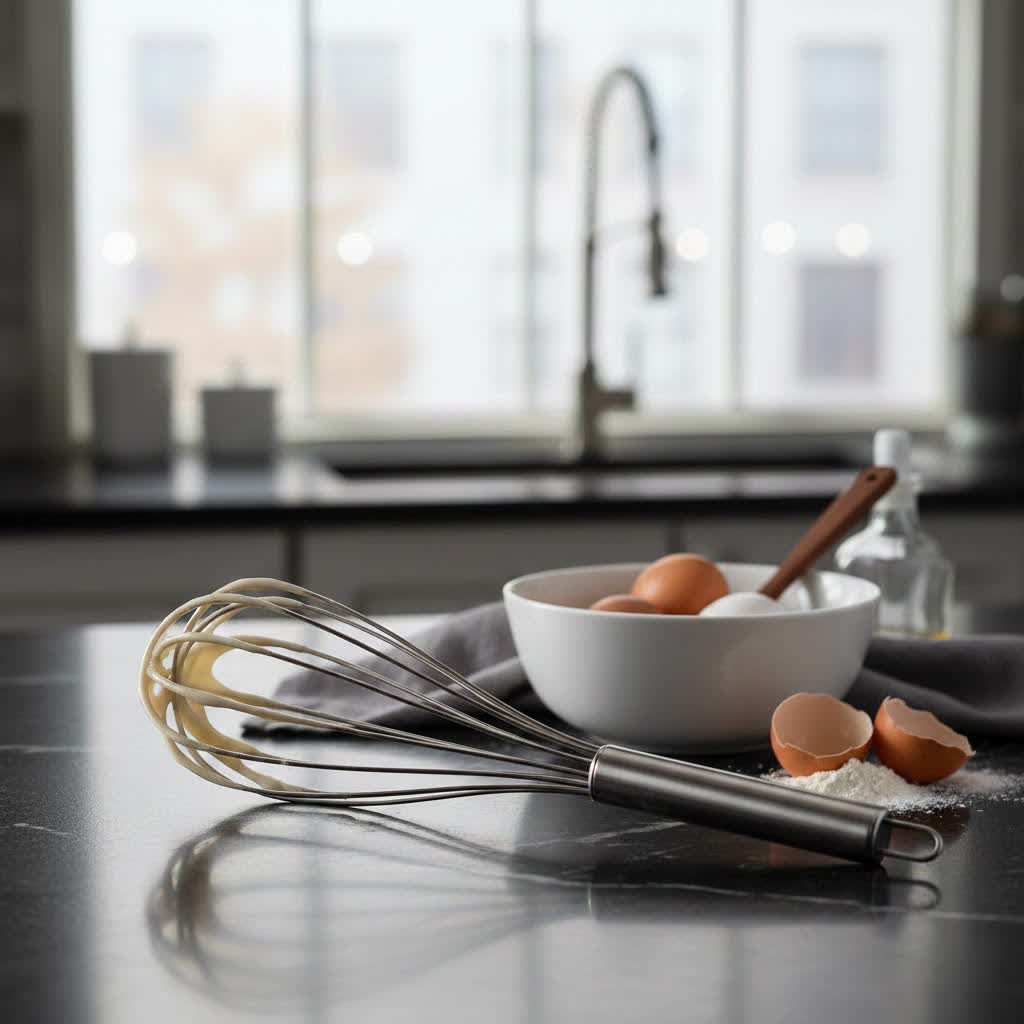
For anyone who loves to cook or bake, the humble whisk is an indispensable tool, transforming ordinary ingredients into culinary masterpieces. Whether you’re whipping up fluffy meringues, emulsifying delicate sauces, or blending smooth batters, the right whisk can make all the difference, saving you time and effort while ensuring perfect results. But with a myriad of shapes, sizes, and materials available, choosing the ideal whisk can feel overwhelming. This comprehensive guide will navigate the world of kitchen whisks, helping you understand their unique purposes, what to look for, and ultimately, discover the perfect whisk to elevate your cooking in 2026.
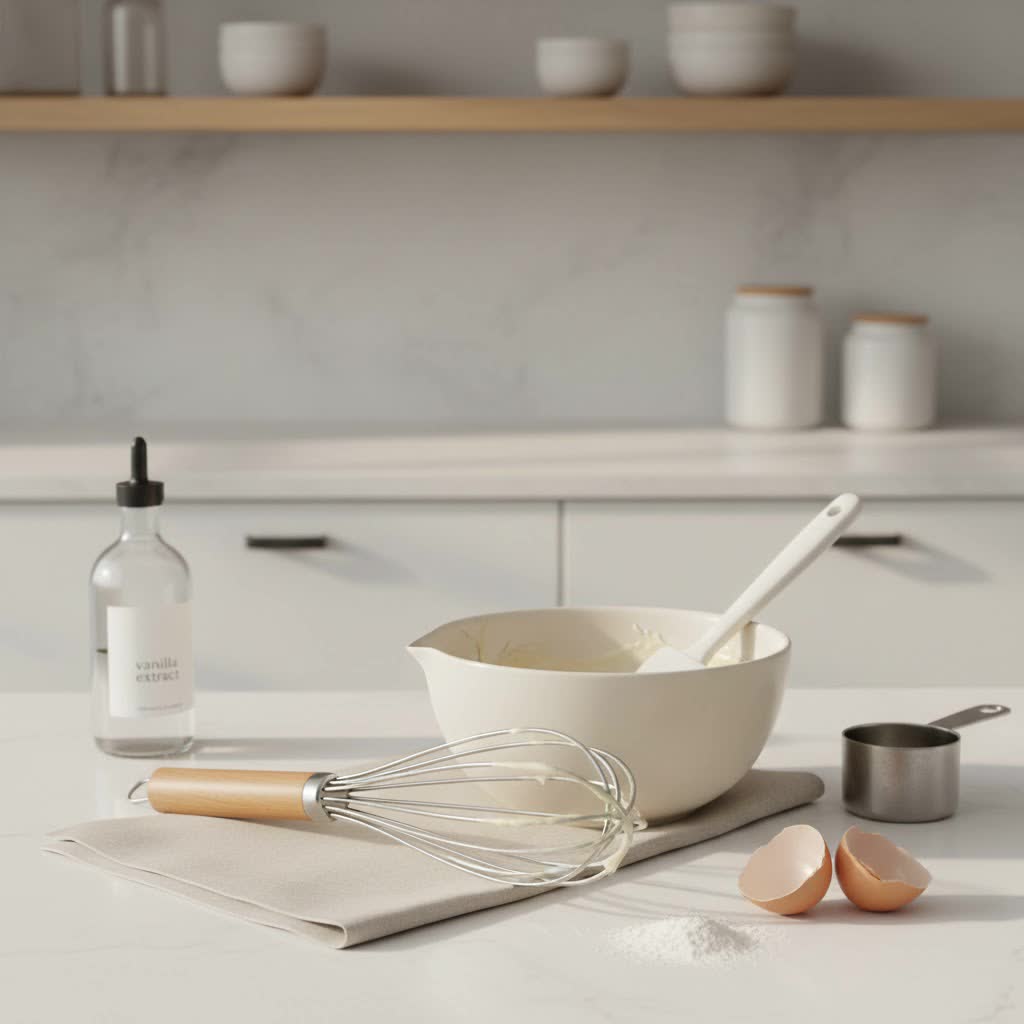
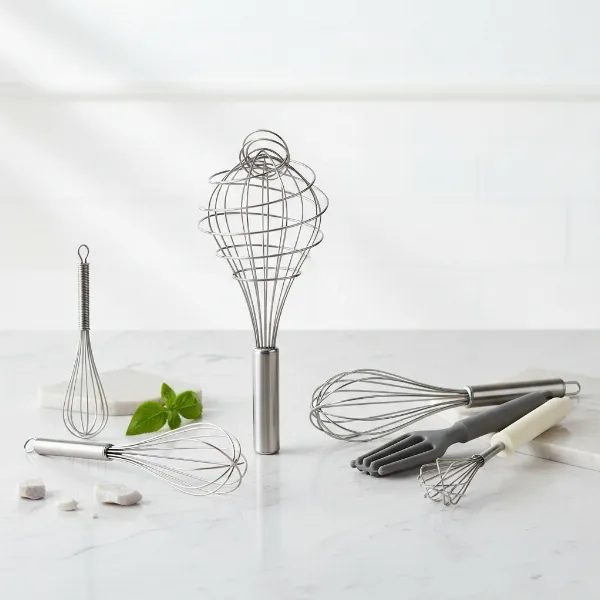 A curated selection of various kitchen whisks laid out on a clean kitchen counter, showcasing different types and materials with good lighting.
What is a Whisk and Why Do You Need One?
A whisk is a kitchen utensil designed to blend ingredients smooth, or to incorporate air into a mixture, a process commonly known as whisking or whipping. Unlike a spoon, a whisk’s multiple wire loops create maximum agitation, efficiently breaking up lumps and introducing air to create lighter textures in liquids and batters. Its origins can be traced back centuries, evolving from bundled twigs to the sophisticated metal and silicone designs we see today, each iteration improving efficiency and versatility.
From simple tasks like scrambling eggs to complex culinary preparations, whisks are essential for aeration, emulsification, and blending. Aeration, often achieved with balloon whisks, adds volume and lightness to ingredients such as egg whites and cream. Emulsification, where two liquids that typically don’t mix (like oil and vinegar) are combined, is perfected with the rapid motion of a whisk, creating stable dressings and sauces. Blending is perhaps the most common use, ensuring dry and wet ingredients are uniformly combined, preventing lumps in gravies, custards, and batters.
The market offers a diverse range of whisks, each engineered for specific kitchen tasks. The most common varieties include the voluminous balloon whisk, the slender French whisk, and the flat whisk, often referred to as a roux whisk. Beyond these, you’ll find specialty designs like ball whisks for maximum contact, spiral whisks for smaller bowls, and Danish dough whisks for heavy batters, ensuring there’s a perfect tool for every culinary challenge.
Classifying Whisks by Purpose
Understanding the various types of whisks and their intended uses is crucial for any home cook or professional chef. Choosing the right whisk for the job optimizes efficiency and yields superior results.
Whisks for Eggs and Cream
Table is empty.For tasks requiring significant aeration, such as whipping egg whites into stiff peaks for meringues or transforming heavy cream into fluffy whipped cream, the balloon whisk is unparalleled. Its wide, bulbous shape and numerous thin wires are designed to incorporate maximum air into liquid mixtures quickly and efficiently. The flexibility of its wires helps create volume and a light, airy texture, making it a staple for desserts and delicate preparations.
Whisks for Mixing Dry Ingredients and Batters
When it comes to blending dry ingredients like flour and sugar, or combining them with liquids to form batters, several whisk types excel. A large balloon whisk can handle lighter batters, such as those for pancakes or cakes, effectively smoothing out lumps and ensuring even consistency. For thicker batters or doughs that require more robust mixing without overworking the gluten, a French whisk with its narrower, more rigid wires provides the necessary resistance. For very heavy or sticky doughs, the specialized Danish dough whisk, with its open, spiraled head, is ideal for cutting through ingredients and scraping flour pockets without clogging.
Whisks for Sauces and Soups
Crafting smooth, lump-free sauces, gravies, and soups often demands whisks that can effectively reach into the corners of pots and pans. The French whisk, with its tapered, elongated shape, is excellent for this purpose, preventing ingredients from sticking and burning at the edges of cookware. The flat whisk, also known as a roux whisk, is specifically designed for shallow pans, its flattened loops making optimal contact with the bottom surface, perfect for making roux or stirring custards. For deep pots and large volumes, a kettle whisk or ball whisk offers extended handles and broader surface contact to ensure thorough mixing in stocks and soups, keeping your hands safely away from the heat.
Specialty Whisks for Specific Tasks
Beyond the general-purpose whisks, several specialized types cater to unique kitchen needs. Mini whisks are compact versions of balloon whisks, perfect for whisking a single egg, a small vinaigrette, or ingredients in a mug or small bowl. Spiral whisks, with their coiled heads, are effective for mixing small quantities of liquids in narrow containers, ensuring constant contact with the bottom. For use with non-stick cookware, silicone-coated whisks are essential, as their soft wires prevent scratching delicate surfaces while still providing efficient mixing, although they might be less effective for rigorous aeration compared to their stainless steel counterparts.
Factors to Consider When Choosing a Whisk
Selecting the right whisk involves more than just picking the first one you see. Several key factors contribute to a whisk’s performance, durability, and comfort, ensuring it meets your specific culinary demands.
Material (Stainless Steel, Silicone, Plastic)
The material of your whisk significantly impacts its function and longevity. Stainless steel whisks are the most common and widely preferred by professionals for their durability, rust resistance, and non-reactivity with acidic foods. They are robust and effective for almost any whisking task. However, metal wires can scratch non-stick or delicate ceramic surfaces.
Silicone-coated whisks offer a solution for non-stick cookware. The silicone coating protects surfaces from scratches and also makes for quieter operation. They are typically heat-resistant, making them suitable for stovetop use, but their wires can be less effective at incorporating air compared to bare metal, and they might struggle with very heavy batters.
Plastic whisks are generally less durable and may warp under heat or with heavy use. They are usually the most affordable option but are best reserved for light, occasional tasks.
Size and Shape
The size and shape of a whisk should align with the typical tasks you perform and the cookware you use. Larger balloon whisks are ideal for big mixing bowls, perfect for whipped cream or large batches of batter. Smaller whisks, like mini balloon or spiral whisks, are better suited for individual servings, dressings, or sauces in small containers. The shape of the whisk head—whether wide and bulbous (balloon), narrow and tapered (French), or flat—dictates its efficiency for aeration, scraping pan corners, or reaching the bottom of shallow pans.
Handle (Comfortable, Non-Slip)
A comfortable and secure handle is paramount, especially during prolonged whisking. Handles come in various materials, including stainless steel, wood, and silicone, often featuring ergonomic designs. A non-slip grip, perhaps with a soft-touch silicone or rubberized coating, helps prevent fatigue and ensures control, even with wet or greasy hands. Look for a handle that feels balanced in your hand and provides a firm, comfortable hold to maximize your whisking power and minimize strain.
Durability and Cleaning
A high-quality whisk should be built to last, with wires securely fastened to the handle to prevent bending or coming loose over time. Stainless steel whisks are generally the most durable. Ease of cleaning is also a major consideration. Many whisks are dishwasher-safe, which is a significant convenience. For those that aren’t, or for quick cleaning, look for designs where food doesn’t easily get trapped between the wires or at the base of the handle. Prompt cleaning after use, often with a quick swirl in soapy water, can extend the life of any whisk.
Comparing Popular Whisk Types on the Market
Different whisk types excel in various culinary applications due to their distinct designs. Here’s a comparison of three popular whisk styles:
| Feature/Whisk Type | Balloon Whisk | French Whisk | Flat Whisk (Roux Whisk) |
|---|---|---|---|
| Shape | Wide, bulbous head with many flexible wires | Narrow, elongated, tapered shape with fewer, stiffer wires | Flattened head with 4-6 wires |
| Primary Use | Whipping eggs/cream, aerating, light batters | Mixing sauces, custards, medium-to-thick batters, reaching pan corners | Making roux, gravies, stirring in shallow pans, deglazing |
| Aeration | Excellent (maximizes air incorporation) | Good (less than balloon, but still effective) | Poor (designed for contact, not air) |
| Material | Typically stainless steel; often available with silicone coating | Typically stainless steel | Stainless steel or silicone-coated |
| Best For | Meringues, whipped cream, soufflés, pancakes | Pan sauces, vinaigrettes, custards, pancake batter, medium-consistency soups | Gravy, roux, stirring ingredients in skillets |
| Key Advantage | High volume, fast aeration | Precision, efficient scraping of pan edges | Optimal contact with flat bottom of pans |
| Limitations | Can be too large for small bowls; less effective for thick batters | Less effective for maximum aeration; can be too stiff for very delicate tasks | Not suitable for aerating; limited for deep bowls/pots |
Top Whisk Picks for 2026: Detailed Reviews
While specific models and their features evolve, certain brands consistently deliver high-quality whisks that stand the test of time and innovation. Here are three examples representative of the best whisks you might encounter in 2026, highlighting their strengths and weaknesses.
| Whisk | Ưu điểm (Pros) | Nhược điểm (Cons) | Giá tham khảo (Estimated Price) |
|---|---|---|---|
| OXO Good Grips 11-inch Balloon Whisk (Stainless Steel) | Exceptional comfort with non-slip handle; lightweight yet sturdy for whipping; durable stainless steel; dishwasher safe; versatile for most tasks. | Not ideal for non-stick cookware; can be too large for very small mixing jobs. | $12 – $15 |
| GIR (Get It Right) Ultimate 11-inch Silicone Whisk | Protects non-stick cookware; heat-resistant silicone wires; comfortable, ergonomic handle; easy to clean; sleek design. | Less effective for aggressive aeration compared to bare metal; slightly higher price point. | $18 – $22 |
| Cuisipro Stainless Steel Flat Whisk (Roux Whisk) | Ideal for shallow pans and deglazing; excellent for making lump-free sauces and roux; sturdy construction; easy to clean. | Limited aeration capability; less versatile for general whisking or whipping; can scratch non-stick surfaces if not silicone version. | $16 – $20 |
> “The secret to superior whisking lies not just in technique, but in the intelligent selection of your tool. A well-chosen whisk becomes an extension of the chef’s hand, enhancing precision and enjoyment in the kitchen.” – Chef Elena Rodriguez, Culinary Arts Instructor at Le Cordon Bleu.
Whisk Buying Guide
Navigating the array of whisks can be simpler when you have a clear strategy. Here’s a practical buying guide to help you find your perfect kitchen companion.
1. Determine Your Primary Needs: Start by assessing what you’ll use the whisk for most often. Are you a baker who frequently whips eggs and cream? A balloon whisk is a must-have. Do you make a lot of pan sauces or gravies? A flat or French whisk would be more beneficial. If you only need an all-purpose tool for occasional mixing, a versatile stainless steel balloon whisk might suffice.
2. Explore Different Whisk Types: Familiarize yourself with the various designs—balloon, French, flat, spiral, dough, and silicone-coated. Each type has distinct characteristics that make it suitable for specific tasks. Consider how each whisk’s shape, wire count, and flexibility align with your cooking habits.
3. Prioritize Material and Durability: For longevity and performance, stainless steel is a top choice, especially if you don’t use non-stick cookware frequently. If you do, invest in a high-quality silicone-coated whisk to protect your pans. Check for robust construction where the wires meet the handle to ensure the whisk will withstand vigorous use.
4. Evaluate Handle Comfort and Size: A whisk should feel balanced and comfortable in your hand. Test different handle materials and shapes if possible. Ensure the whisk’s overall size is appropriate for your typical mixing bowls and pots; a whisk that’s too large for a small bowl will be awkward, while one too small for a deep pot will be inefficient.
5. Read User Reviews and Expert Opinions: While reviews for 2026 models might be speculative, historical trends for brands and general whisk types remain relevant. Look for consistent feedback on comfort, durability, cleaning ease, and effectiveness for specific tasks. Expert reviews can offer insights into performance details that user reviews might miss.
6. Compare Prices and Shop from Reputable Suppliers: Quality whisks are an investment, but you don’t always need the most expensive option. Compare prices across different brands and models, balancing cost with features and expected lifespan. Purchase from trusted retailers that offer good return policies, ensuring you get a product that meets your expectations.
Tips for Using and Maintaining Your Whisk
Even the best whisk performs optimally with proper technique and care. Adhering to these tips will not only enhance your cooking results but also extend the life of your kitchen tools.
How to Use Your Whisk Correctly for Best Results
Using a whisk effectively involves more than just stirring. For aerating ingredients like egg whites or cream, a rapid, circular motion is combined with an up-and-down movement to continuously introduce air. Ensure the whisk makes contact with the bottom and sides of your bowl to prevent unmixed pockets. When making sauces or gravies, particularly with a French or flat whisk, a back-and-forth or figure-eight motion, coupled with consistent scraping of the pan’s edges, helps prevent scorching and ensures a smooth, even consistency. Always match the whisk size to your bowl or pot to maximize contact and efficiency; a whisk that’s too small for a large bowl will take longer, and one too large for a small bowl will cause splatter.
How to Clean and Store Your Whisk to Prolong Its Life
Immediate cleaning is the best practice for any whisk. Food, especially thick batters or sauces, can dry and harden between the wires, making cleaning more difficult. For most whisks, a quick swirl in warm, soapy water immediately after use is often enough. For more stubborn bits, a stiff brush can help. Many stainless steel and silicone whisks are dishwasher-safe, offering a convenient cleaning option. However, prolonged exposure to high heat and harsh detergents in a dishwasher can sometimes degrade silicone coatings or dull stainless steel over time, so hand-washing is often recommended for maximum longevity.
Proper storage is also key. Hanging whisks from a utensil rack prevents their wires from bending or getting tangled with other tools in a drawer. If storing in a drawer, ensure they have enough space to avoid damage. Avoid storing heavy items on top of whisks, which can deform their shape.
Common Whisking Mistakes and How to Fix Them
One common mistake is using the wrong whisk for the task. For instance, using a flat whisk to whip egg whites will lead to minimal aeration and much longer effort. Another error is neglecting to scrape the sides and bottom of the bowl, leaving unmixed ingredients. Always ensure the whisk reaches all areas of your mixing vessel. Over-whisking, particularly with batters, can develop too much gluten, leading to tough baked goods; know when to stop once ingredients are just combined. Conversely, under-whisking can leave lumps or inadequate aeration. By understanding the nuances of each whisk type and practicing proper technique, you can avoid these pitfalls and achieve consistent, professional-level results in your kitchen.
Conclusion
The whisk, in its many forms, is undeniably a cornerstone of any well-equipped kitchen. From the airy lift it brings to meringues to the silken texture it imparts to sauces, selecting the right whisk for the right job can dramatically improve your culinary outcomes. As we’ve explored, whether you prioritize durability, versatility, or specialized function, there’s a perfect whisk waiting to become your trusted ally. Consider material, size, handle comfort, and your specific cooking needs to make an informed choice that will serve you well for years to come.
What’s your go-to whisk, and how has it transformed your kitchen endeavors?
Frequently Asked Questions
What is the difference between a balloon whisk and a French whisk?
A balloon whisk is wide and round, designed to incorporate maximum air for light and airy mixtures like whipped cream and egg whites. A French whisk is narrower and more tapered with stiffer wires, making it better for mixing thicker batters and reaching into the corners of pots for sauces and custards.
Can I use a metal whisk on non-stick pans?
It is generally not recommended to use bare metal whisks on non-stick pans as they can scratch the delicate coating over time. Instead, opt for silicone-coated whisks, which are designed to be gentle on non-stick surfaces while still providing efficient mixing capabilities.
How do I choose the right size whisk?
The right whisk size depends on your mixing bowl or pot. A larger whisk is ideal for big batches in large bowls, while a smaller whisk is better for whisking single eggs, vinaigrettes, or ingredients in small bowls or cups. Ensure the whisk head makes good contact with the bottom and sides of your container.
What is a Danish dough whisk used for?
A Danish dough whisk, characterized by its unique coiled head, is specifically designed for mixing thick, heavy doughs and batters, such as those for bread or cookies. Its open design allows it to cut through ingredients without clogging, preventing over-mixing and efficiently incorporating dry ingredients.
How often should I replace my kitchen whisk?
With proper care, a high-quality stainless steel whisk can last many years, even decades. Silicone whisks might need replacement if the coating starts to peel or crack. Replace any whisk if its wires become bent, loose, or if the handle becomes unstable, as these issues can affect performance and hygiene.